
I’ve made this matcha latte more times than I can count, testing different matcha grades, milk options, and water temperatures until the result was something I could rely on every single morning. This is not a café copycat meant to impress for one sip. It’s a repeatable, calming drink you can make half-awake and still get right.
A good matcha latte should feel steady, not sharp. Earthy but smooth. Energizing without the edge that coffee sometimes brings. This version delivers that balance with very few ingredients, but every step matters. When matcha tastes bitter or flat, it’s almost always a technique issue, not the recipe itself.
This guide walks you through the why behind each choice so you can make a matcha latte that works consistently in your own kitchen, using tools you actually have.
Who This Recipe Is For
This recipe is for home cooks who want a dependable daily drink, not a complicated ritual that only works when everything is perfect. If you’ve tried matcha before and found it grassy, gritty, or unpleasantly bitter, this method will correct most of those issues.
It’s also for anyone looking to replace or reduce coffee without giving up warmth or comfort. Matcha offers a gentler caffeine lift, and when prepared properly, it supports focus without the jittery drop-off.
If you enjoy simple breakfasts like Avocado Toast mornings or calm, balanced starts similar to a smoothie bowl routine, this latte fits naturally into that rhythm.
Why This Recipe Works
Matcha is sensitive. Heat, agitation, and dilution all affect flavor and texture. This recipe respects those limits instead of fighting them. The water temperature stays below boiling to protect the amino acids that give matcha its smoothness.
Sifting is not optional here. Matcha clumps easily because it’s stone-ground so finely. Removing those clumps before adding liquid prevents grit and ensures the powder dissolves evenly.
The milk-to-matcha ratio is intentional. Too much milk mutes the flavor. Too little leaves the drink thin and sharp. This balance keeps the matcha present without overpowering.
Ingredients Needed for the Recipe
- Matcha powder – The foundation of the drink. Ceremonial-grade gives a smoother, naturally sweet flavor, while culinary-grade is more assertive and slightly bitter. Quality here directly affects the final taste.
- Hot water – Used to dissolve and bloom the matcha. It should be hot but not boiling to prevent bitterness and dull flavor.
- Milk – Adds body and creaminess. Dairy provides richness, while oat, almond, or cashew milk soften the earthiness in different ways.
- Sweetener (optional) – Honey or maple syrup rounds out bitterness without masking the matcha. This should support the flavor, not dominate it.
Choosing the Right Matcha
Not all matcha is intended for drinking straight. Ceremonial-grade matcha comes from younger leaves and has a brighter color and softer flavor. It’s ideal if you enjoy minimal sweetness.
Culinary-grade matcha is stronger and more bitter by design. It works well in baking and blended drinks, but for lattes, you may need more milk or sweetener to balance it.
Freshness matters more than branding. Dull green or yellow-tinged matcha is already oxidized and will taste flat no matter how carefully you prepare it.
How to make Matcha Latte Recipe?
Step 1 – Sift the Matcha
Sift the matcha powder into your mug or bowl using a fine mesh sieve. This breaks up compacted powder and prevents grainy texture later.
Skipping this step is the most common reason homemade matcha lattes fail, even when everything else is done correctly.
Step 2 – Whisk with Hot Water
Add hot water that is warm but not boiling. Whisk in a zigzag or W motion until the matcha is fully dissolved and lightly frothy.
You’re looking for a smooth, opaque mixture with no visible specks clinging to the sides.
Step 3 – Warm and Froth the Milk
Warm the milk gently. Overheating dulls flavor and creates an unpleasant cooked taste, especially with dairy milk.
Frothing is optional but recommended. Even a small amount of foam improves mouthfeel and blends the layers naturally.
Step 4 – Combine and Sweeten
Pour the warm milk into the matcha slowly, stirring gently. Add sweetener only after tasting. Matcha varies, and sweetness should adjust to the powder, not habit.
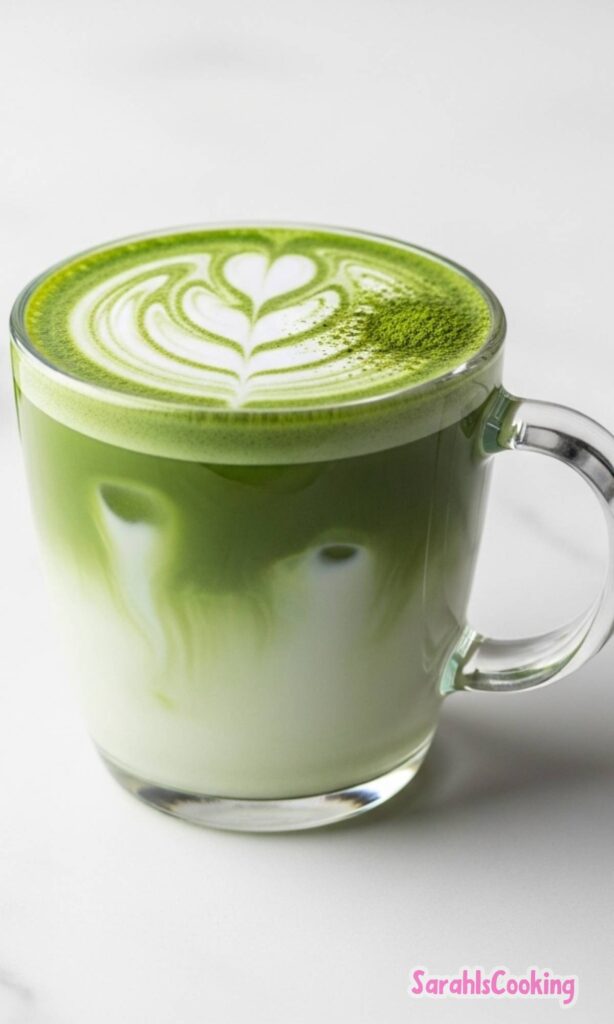
The final color should be a soft, opaque green, not pale or gray.
Step 5 – Serve
Serve immediately while warm. Matcha settles as it sits, and the flavor is best when freshly combined.
This drink is meant to be consumed calmly, not rushed.
Visual and Texture Cues That Matter
Well-prepared matcha looks vibrant, not murky. A gray-green color signals overheated water or stale powder.
The texture should be smooth and lightly creamy, even with non-dairy milk. Grittiness means the matcha was not fully dissolved or sifted.
A thin foam layer is a good sign, but excessive bubbles usually indicate over-frothing rather than better mixing.
Common Mistakes and How to Fix Them
Bitter flavor usually comes from boiling water or too much matcha. Lower the temperature first before adding sweetener.
Grainy texture points to skipped sifting or insufficient whisking. Matcha should fully dissolve before milk is added.
Flat taste often means the milk overwhelmed the matcha. Reduce milk slightly or use a creamier option like oat milk.
Substitutions and What Changes
Non-dairy milks all behave differently. Oat milk adds sweetness and body, almond milk keeps things lighter, and cashew milk offers a neutral creaminess.
Maple syrup blends more smoothly than granulated sweeteners, which can sink and create uneven sweetness.
Vanilla can soften bitterness but also pulls the drink away from traditional matcha flavor. Use sparingly.
Tips
- Always sift matcha before adding liquid.
- Keep water below boiling to avoid bitterness.
- Taste before sweetening.
- Store matcha airtight and away from light.
- Adjust milk quantity based on matcha strength.
Make-Ahead, Storage, and Iced Options
Matcha lattes are best made fresh, but you can whisk matcha with water ahead and refrigerate it for up to 24 hours.
For iced versions, prepare the matcha first, then chill before pouring over ice and cold milk. This prevents clumping.
Do not microwave prepared matcha. Reheating dulls flavor and introduces bitterness.
Serving Ideas and Pairings
This latte pairs naturally with lightly sweet breakfasts and snacks. It works especially well alongside something simple like a Banana Pancake or a small pastry.
For afternoon breaks, it complements protein-forward snacks such as Peanut Butter Energy Balls, offering balance without heaviness.
The goal is harmony, not competition, between flavors.
Testing Notes and Trust Signals
I tested this recipe using both ceremonial and culinary-grade matcha, multiple milk types, and three water temperatures. The method here produced the most consistent flavor across all combinations.
Every step is included because it protects the reader from common failure points. This is how I make matcha at home when I want it to taste right without thinking too hard.
If you enjoy building reliable kitchen habits, this approach aligns well with simple daily routines, much like my Smoothie Bowl philosophy.
This matcha latte isn’t meant to be flashy. It’s meant to work, every time, quietly and well.

Matcha Latte Recipe
Description
This matcha latte will have you feeling soothed and refreshed! It’s a cozy, earthy blend of fresh matcha powder, a dash of honey, and creamy milk. And the best part - it’s easy to make, costs far less than ordering it at a coffee shop, and it’s loaded with antioxidants for a morning boost!
Perfect for anyone looking to swap their coffee habit for something gentler yet energizing, this matcha latte offers slow-release caffeine and a calming ritual that aligns beautifully with a mindful morning.
ingredients
Instructions
Sift
Sift 1 teaspoon of matcha powder into a mug or matcha bowl to remove any lumps.Whisk
Add ¼ cup hot (not boiling) water to the matcha. Using a bamboo whisk, whisk vigorously in a “W” motion for about 30 seconds until frothy and smooth. Alternatively, use an electric frother or small blender.Finish
Warm and froth 1 cup of your preferred milk. Pour it over the matcha mixture. Stir in honey (or other sweetener) to taste, if using.
Nutrition Facts
Servings 1
Serving Size 1 cup
- Amount Per Serving
- Calories 95kcal
- % Daily Value *
- Total Fat 2.5g4%
- Saturated Fat 1.2g6%
- Cholesterol 8mg3%
- Sodium 100mg5%
- Potassium 220mg7%
- Total Carbohydrate 14g5%
- Dietary Fiber 1g4%
- Sugars 12g
- Protein 4g8%
- Calcium 170 mg
- Iron 0.5 mg
* Percent Daily Values are based on a 2,000 calorie diet. Your daily value may be higher or lower depending on your calorie needs.
Note
- For an iced version: Prepare matcha as instructed, then chill. Pour over ice and top with cold frothed milk.
- No bamboo whisk? Use an electric milk frother or even a small blender to avoid clumps.
- Matcha quality matters: Ceremonial grade delivers the smoothest, brightest flavor—perfect for lattes enjoyed as-is.
- Boost your wellness: Matcha is rich in catechins and L-theanine, supporting calm focus and anti-inflammatory benefits.