
This outline establishes a clear, reliable framework for preparing lobster tail at home using proven methods such as steaming, baking, broiling, grilling, and boiling. The goal is to remove intimidation while preserving the elegance and flavor that make lobster feel special.
The article will focus on precision, timing, and visual cues so readers can confidently achieve tender, buttery results without guesswork or restaurant dependency.
Who This Recipe Is For
This recipe is designed for home cooks who want to prepare a high-impact meal without complicated techniques. It supports both intermediate cooks and careful beginners willing to follow timing and temperature guidance.
It’s especially useful for holidays, date nights, and celebratory meals where a dependable seafood centerpiece matters more than culinary theatrics.
Why How to Cook Lobster Tail Works
The method succeeds because it emphasizes controlled, short cooking times and gentle heat application, which protect the naturally lean lobster meat from becoming rubbery. Each cooking option provides flexibility depending on equipment and flavor preference.
Butter, light seasoning, and proper thawing reinforce the lobster’s natural sweetness rather than masking it, while temperature-based doneness (135–140°F) ensures consistency.
Ingredient Insights and Function
Lobster tails serve as the structural core, requiring proper thawing to ensure even cooking and tender texture. Unsalted butter adds fat for moisture retention and flavor delivery, while kosher salt enhances natural brininess without overwhelming.
Black pepper and paprika provide balance and color, lemon juice introduces acidity to cut richness, and optional garlic deepens flavor when incorporated into melted butter.
Step-by-Step Success Guidance for How to Cook Lobster Tail
Preparation Phase
This section will explain thawing techniques, why fully defrosted meat cooks more evenly, and how butterflying improves heat distribution while creating an appealing presentation.
Guidance will highlight removing the digestive vein, drying the meat for better seasoning adhesion, and preparing tools before heat is applied.
Execution Phase
Readers will learn how each cooking method functions: steaming for tenderness, baking for gentle consistency, broiling for caramelized richness, grilling for smokiness, and boiling for speed.
Timing will be framed per ounce to eliminate uncertainty, reinforcing visual cues like opaque flesh and bright red shells.
Finishing and Doneness Cues
This section will clarify how to recognize properly cooked lobster through texture, color, and internal temperature rather than relying solely on time.
It will also explain resting briefly before serving and pairing with simple accompaniments that allow the seafood to remain the focus, such as a fresh side like Cucumber Salad Recipe.
How I Tested and Refined How to Cook Lobster Tail
This section will describe testing multiple cooking approaches to compare moisture retention, flavor development, and margin for error. Broiling emerged as the fastest high-flavor method, while baking proved most forgiving for larger tails.
Adjustments centered on timing per ounce, butter application to prevent drying, and confirming that minimal seasoning consistently produced the best outcome.
Common Mistakes When Making How to Cook Lobster Tail
The article will address frequent issues such as cooking from frozen, overcooking past the ideal temperature, or using excessive seasoning that hides the lobster’s natural taste.
Readers will also learn why high heat without monitoring leads to toughness and how small preparation steps dramatically reduce risk.
Make-Ahead, Storage, and Freezing Guidance
This section will explain how to store cooked lobster properly, why removing it from the shell improves refrigeration results, and how to reheat gently with butter to maintain texture.
Freezing guidance will cover wrapping techniques, thawing recommendations, and realistic expectations for maintaining quality when planning meals in advance. For readers building a seafood-focused menu, this preparation approach aligns well with dishes like Baked Tilapia for similarly controlled cooking.
To expand flavor variations without complicating the process, the final article may also suggest serving lobster with herb-forward finishes such as Chimichurri Sauce, offering contrast to the rich butter base while keeping preparation straightforward.
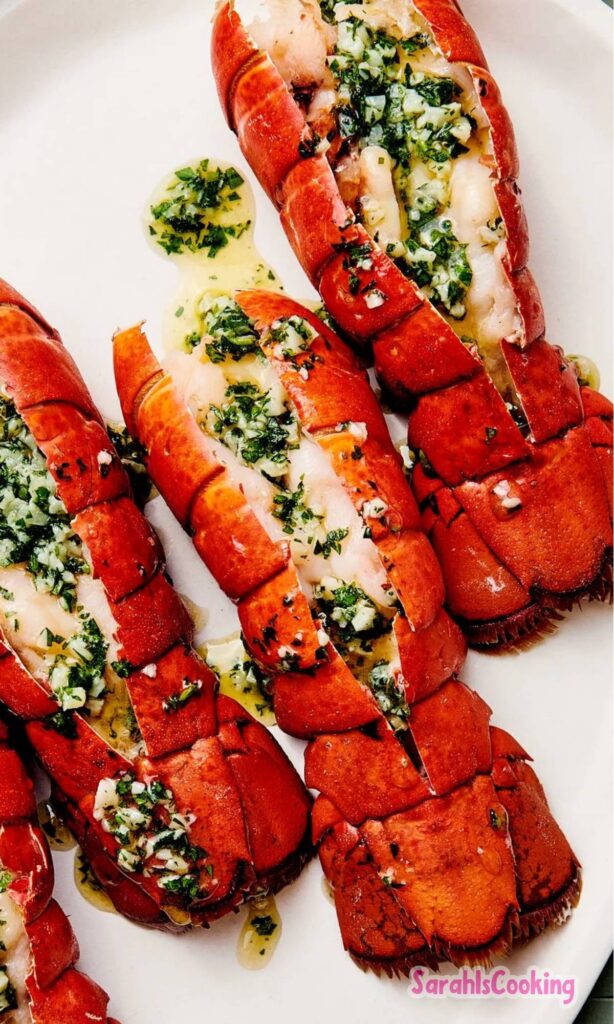

How to Cook Lobster Tail?
Description
Learn how to cook lobster tail in five different ways! This guide covers steaming, baking, broiling, grilling, and boiling—so you can prepare the perfect, elegant crustacean for any special occasion with confidence.
ingredients
For Any Method (per 4 tails)
Baking Only
Boiling Only
Lemon Garlic Butter Sauce (Optional)
Instructions
Preparation
Defrost Lobster Tails
Place frozen lobster tails in the refrigerator overnight to thaw. Alternatively, submerge in cold water for 30 minutes (replace water and repeat if tails are large) until flexible.Butterfly Lobster Tails (Skip for Boiling)
Using kitchen shears, cut the top shell lengthwise down to the tail fin. Remove the dark vein if present. Flip over and crack the underside shell with thumbs. Lift meat out and rest on top of shell.
Cooking Methods
Steaming
Add 2 inches of water to a pot with a steamer basket. Bring to boil. Add tails, cover, and steam 45–60 seconds per ounce until opaque and internal temp reaches 135–140°F.Baking
Preheat oven to 425°F. Place butterflied tails in dish, add ½ cup water or wine. Brush with butter, season, and bake 1–2 minutes per ounce until 135–140°F.Broiling
Place tails flesh-side up on foil-lined sheet. Brush with butter and season. Broil 10 inches from heat for ~1 minute per ounce (typically 5–8 min), checking frequently.Grilling
Preheat grill to 350–400°F. Clean and oil grates. Place butterflied tails flesh-side up. Grill 8–10 minutes until opaque and 135–140°F.Boiling
Bring 8 cups salted water to boil. Add whole (unbutterflied) tails. Cook 1 minute per ounce until shells red and meat opaque. Cool slightly, then devein and serve.
Optional Lemon Garlic Butter Sauce
Make Sauce
Melt butter, then whisk in garlic, salt, paprika, and lemon juice. Drizzle over cooked lobster or serve as dip.
Nutrition Facts
Servings 4
Serving Size 1 lobster tail
- Amount Per Serving
- Calories 145kcal
- % Daily Value *
- Total Fat 1.5g3%
- Saturated Fat 0.4g2%
- Cholesterol 80mg27%
- Sodium 370mg16%
- Potassium 240mg7%
- Total Carbohydrate 3g1%
- Protein 23g46%
- Calcium 60 mg
- Iron 1 mg
* Percent Daily Values are based on a 2,000 calorie diet. Your daily value may be higher or lower depending on your calorie needs.
Note
- Doneness Tip: Lobster is done when internal temperature reaches 135–140°F (57–63°C) and meat turns opaque pinkish-white.
- Serving Suggestion: Serve with lemon wedges, melted butter, and sides like asparagus or mashed potatoes.
- Storage: Cooked lobster keeps in an airtight container for up to 3 days or can be frozen (shell removed) for up to 6 months.