
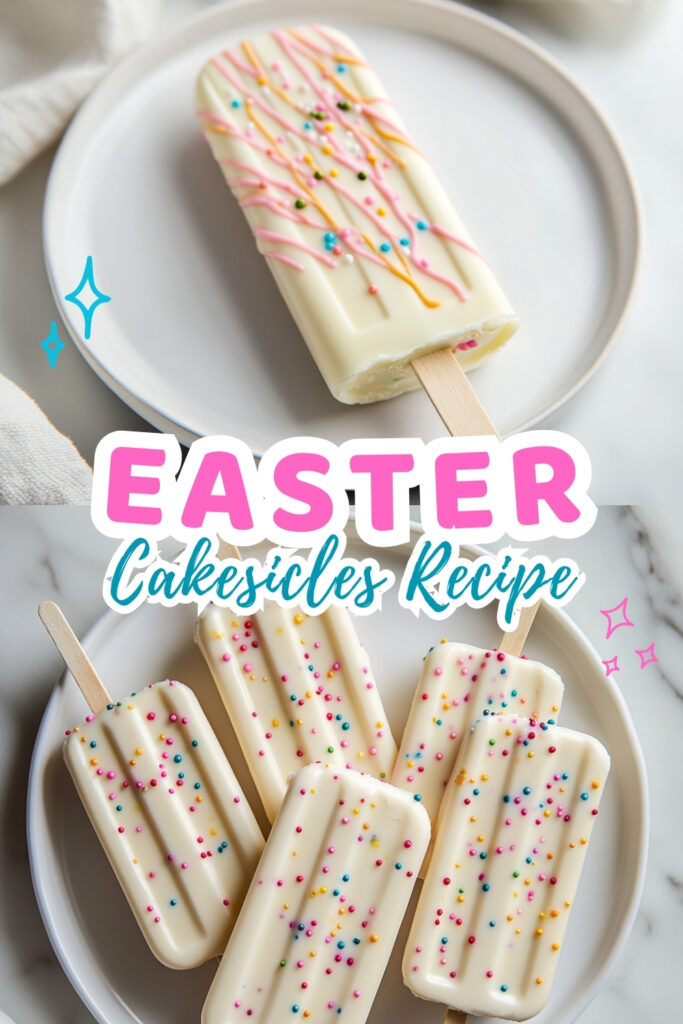
Learn how to make perfect cakesicles with a smooth chocolate shell and soft cake filling. A reliable, step-by-step method for flawless results every time.
Cakesicles are one of those desserts that look intricate but become very manageable once you understand the structure. Instead of dipping fragile cake balls, you build a shell first, then fill it, which solves many of the common cake pop frustrations.
I approach these with the same mindset I bring to all my baking. Control moisture, control temperature, and the results follow. When done right, the shell is smooth and firm, while the inside stays soft and cohesive without feeling greasy.
This method produces cakesicles that hold their shape, release cleanly from the mold, and have a balanced bite. The process is simple, but the details matter. I will walk you through each one.
Ingredients Needed for the Recipe
- Cake mix – forms the base structure of the filling; provides crumb and flavor foundation that binds with frosting
- Eggs or egg whites – create structure and stability in the baked cake; essential for proper crumb formation
- Milk or water – hydrates the batter; milk adds richness and improves final texture
- Sour cream – adds moisture and slight tang; prevents the cake from drying out when mixed into filling
- Instant pudding mix – enhances flavor and creates a softer, more cohesive crumb that blends smoothly
- Frosting – binds the crumbled cake into a truffle-like consistency; controls softness and richness
- White chocolate or confectionery coating – forms the outer shell; provides structure and protects the filling
- Popsicle sticks – support the cakesicle; must be inserted properly to ensure stability
How to make Cakesicles?
Step 1 – Bake the Cake
Prepare the cake batter using the mix, but skip the oil. Replace it with milk if possible, and add pudding mix and sour cream for improved texture. Bake in a 9×13 pan or two 8-inch pans.
The finished cake should be soft but not greasy. Let it cool completely before moving forward, as warmth will affect the consistency when mixing.
Step 2 – Create the Cake Filling
Crumble the cooled cake into fine pieces using your hands or a stand mixer. Add frosting gradually, starting with about one-third cup.
Mix until the texture resembles a soft dough. It should hold together when pressed but not feel wet. Overly soft filling will make shaping difficult later.
Step 3 – Melt the Chocolate
Melt the white chocolate or confectionery coating slowly. Use short intervals in the microwave and stir frequently to avoid overheating.
The ideal temperature range is warm and fluid but not hot. Overheated chocolate thickens and becomes difficult to spread evenly.
Step 4 – Paint the First Chocolate Layer
Spoon about one tablespoon of melted chocolate into each mold cavity. Use a brush or spoon to spread it evenly across the bottom and up the sides.
This layer should be thin but complete. Any gaps will lead to weak spots or leaks in the final cakesicle.
Step 5 – Create the Stick Opening
Insert a popsicle stick into the mold while the chocolate is still soft, then remove it immediately. This clears space so the stick can be inserted cleanly later.
If chocolate fills the slot, the stick will not sit properly and may crack the shell when inserted.
Step 6 – Chill the Shell
Place the mold in the refrigerator if using pure chocolate or in the freezer for confectionery coating. Chill for 3 to 5 minutes until firm.
The shell should feel set but not brittle. Avoid over-chilling, as extreme cold can lead to cracking during filling.
Step 7 – Reinforce the Edges
Apply a second layer of chocolate just around the edges. This step strengthens the most fragile part of the shell.
Chill again briefly until the chocolate sets. This extra reinforcement prevents breakage when unmolding.
Step 8 – Add the Filling
Press about one tablespoon of cake filling into each shell. Ensure it touches all sides without leaving air pockets.
Leave a small gap at the top. This space allows room for the final sealing layer of chocolate.
Step 9 – Insert the Stick
Gently push the popsicle stick into the filling. It should slide in smoothly without forcing.
If resistance occurs, check that the hole is clear. Forcing the stick can crack the shell.
Step 10 – Seal the Cakesicle
Spoon a thin layer of melted chocolate over the filling. Spread it evenly to seal the back.
Use a spatula to scrape away excess chocolate. A flat back ensures a clean, professional finish.
Step 11 – Final Chill
Return the mold to the refrigerator or freezer for a few minutes. Allow the chocolate to fully harden.
The surface should feel firm and no longer tacky before unmolding.
Step 12 – Unmold and Finish
Carefully press the cakesicles out of the silicone mold. They should release cleanly if properly set.
Trim any excess chocolate with a sharp knife once they reach room temperature. This creates smooth edges.
Why This Recipe Works
The structure of cakesicles depends on balance. The cake provides softness, while the frosting binds it into a cohesive filling. By removing oil from the cake, the final mixture avoids becoming greasy.
The shell-first method changes everything. Instead of dipping, which introduces instability, you control thickness from the start. This creates a uniform coating that holds its shape.
Temperature control is equally important. Properly melted chocolate spreads evenly, sets cleanly, and releases without sticking. Each step reinforces the structure instead of working against it.
How I Tested and Refined This Recipe
I tested this method with both oil-based and oil-free cakes. The oil-free version consistently produced a better texture once combined with frosting. The filling felt cleaner and easier to handle.
I also experimented with different frosting ratios. Too little resulted in crumbly filling, while too much made it overly soft. The final balance creates a texture similar to a firm truffle.
Shell thickness took several trials to perfect. A single thin layer often cracked during unmolding. Adding a second layer at the edges significantly improved durability.
I tested both pure chocolate and confectionery coating. While pure chocolate has better flavor, it requires careful tempering. The coating proved more forgiving and consistent for repeat results.
Common Mistakes and How to Avoid Them
- Overmixing the filling – leads to a paste-like texture; stop once the mixture holds together smoothly
- Using too much frosting – creates a soft filling that shifts and weakens the structure
- Applying chocolate too thick – results in heavy shells that are difficult to bite into
- Leaving gaps in the shell – causes leaks and structural failure when filling
- Overheating chocolate – makes it thick and difficult to spread evenly
- Skipping the edge reinforcement – increases the risk of cracking during removal
- Forcing the stick into place – can break the shell or distort the shape
- Unmolding while too cold – causes the chocolate to stick or crack instead of releasing cleanly
Make-Ahead, Storage, and Freezing Guidance
Cakesicles can be made ahead and stored at room temperature for several days. When using fresh cake, they are best consumed within 7 to 10 days.
If refrigerated, wrap each cakesicle tightly to prevent moisture from forming on the shell. Allow them to come to room temperature gradually before unwrapping.
For longer storage, freeze them in airtight containers for up to three months. Thaw slowly in a sealed bag to prevent condensation from affecting the surface.
Tips
- Use a stand mixer for the smoothest filling texture
- Work in small batches to keep chocolate at the right consistency
- Tap the mold gently to release air bubbles in the shell
- Keep tools dry to avoid seizing the chocolate
- Decorate after unmolding for cleaner designs
- Use a thin knife for trimming to avoid chipping the shell
- Test one cakesicle first before committing to a full batch
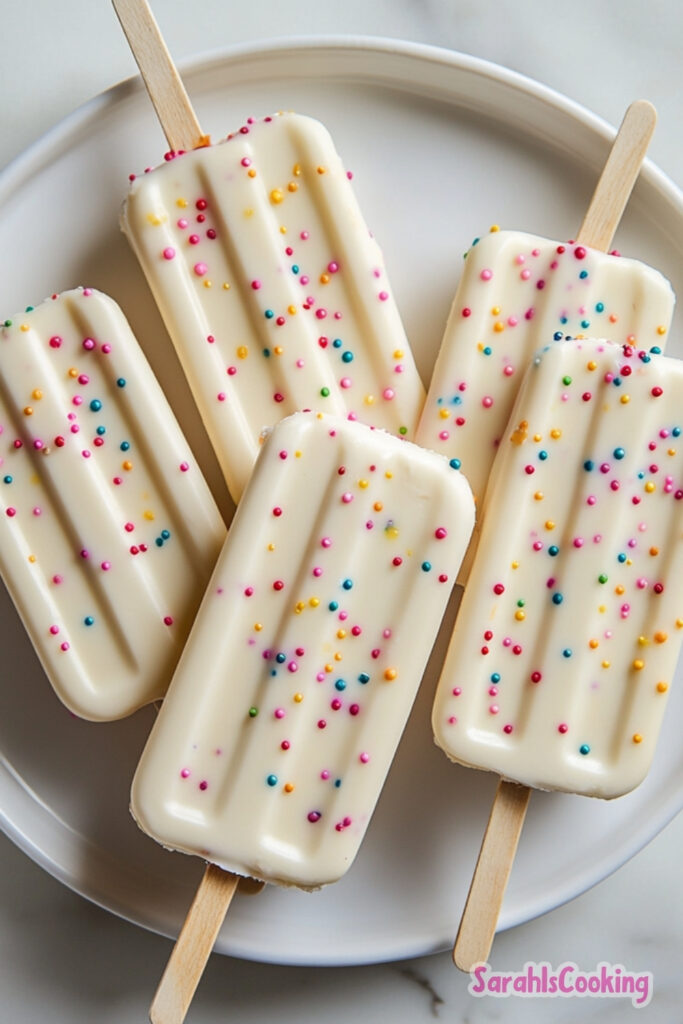

How to make Cakesicles?
Description
Cakesicles are a fun twist on traditional cake pops! Crafted in popsicle molds, these treats feature a smooth chocolate shell surrounding a delicious blend of cake and frosting. Unlike regular cake pops that can crack or fall off the stick, cakesicles are easier to make and have a perfectly shaped, shiny chocolate coating that won't crack. They're perfect for parties, holidays, or any special occasion!
Ingredients
For the Cake
For Assembly
Instructions
Make the Cake
Prepare Cake Batter
Preheat oven to 350°F (175°C). In a large bowl, combine cake mix, eggs, milk, sour cream, and instant pudding mix. Do NOT add oil. Mix according to package directions until well combined.Skipping the oil prevents greasy cake popsBake the Cake
Pour batter into a greased 9x13 inch pan (or two 8-inch round pans). Bake according to package instructions, usually 25-35 minutes, until a toothpick inserted in center comes out clean.Cool Completely
Allow cake to cool completely in the pan on a wire rack before crumbling.Warm cake will melt the frosting
Prepare Cake Filling
Crumble the Cake
Crumble the cooled cake into a large bowl or the bowl of a stand mixer until you have fine crumbs with no large chunks.A stand mixer creates the smoothest textureMix with Frosting
Add 1/3 cup frosting to the cake crumbs. Mix using a stand mixer on medium speed or by hand until well blended and smooth. Add more frosting if desired, up to 16 ounces for a gooier filling.The mixture should have a chocolate truffle-like consistency
Create Chocolate Shells
Melt the Chocolate
Melt white chocolate or candy melts according to type: For candy melts, microwave in 30-second increments, stirring after each, until 75% melted. Let rest 3 minutes, then stir until smooth. For pure white chocolate, temper by heating to 110°F, then cooling to 88°F while stirring.Temperature should be 100-120°F for candy meltsPaint First Layer
Spoon 1 tablespoon of melted chocolate into one cavity of a silicone popsicle mold. Brush the chocolate up the sides of the mold to create an even layer. Immediately insert and remove a popsicle stick to keep the hole clear of chocolate.Work quickly while chocolate is still wetChill First Layer
Repeat for 4 cavities. Place mold in refrigerator (for pure chocolate) or freezer (for candy melts) for 3-5 minutes until hardened. Remove and let sit at room temperature for 10 minutes.Add Second Layer
Paint a second layer of chocolate just around the edges of each popsicle cavity to reinforce the shell. Chill for 2 minutes until hardened.This prevents cracks and ensures a sturdy shell
Fill and Seal
Add Cake Filling
Pinch off 1 tablespoon (1/2 ounce) of cake filling and press it into each chocolate shell, leaving about 1/16 inch space at the top. Make sure the filling touches the shell on all sides with no gaps.Insert popsicle stick into the fillingSeal with Chocolate
Spoon about 1 teaspoon of melted chocolate over the filling. Spread into a thin, even layer using an offset spatula. Scrape off excess chocolate for a flat surface.Layer should be at least 1/16 inch thickFinal Chill
Place molds in refrigerator (pure chocolate) or freezer (candy melts) for 3-5 minutes until the top layer is completely hardened.Unmold
Press the cakesicles out of the silicone mold. Use a sharp, thin knife to remove any excess chocolate around the edges once they reach room temperature.Don't trim while cold - chocolate will stick
Nutrition Facts
Servings 16
Serving Size 1 cakesicle
- Amount Per Serving
- Calories 180kcal
- % Daily Value *
- Total Fat 10gg16%
- Saturated Fat 6gg30%
- Trans Fat 0gg
- Cholesterol 35mgmg12%
- Sodium 120mgmg5%
- Potassium 85mgmg3%
- Total Carbohydrate 22gg8%
- Dietary Fiber 0gg0%
- Sugars 16gg
- Protein 2gg4%
- Calcium 4% mg
- Iron 2% mg
* Percent Daily Values are based on a 2,000 calorie diet. Your daily value may be higher or lower depending on your calorie needs.
Note
- No Oil Cake: This recipe skips the oil to prevent greasy cake pops. The sour cream and pudding mix keep the cake moist and delicious!
- Chocolate Choice: Use candy melts for easier handling (no tempering needed) or pure white chocolate for superior flavor (requires tempering).
- Storage: Store at room temperature for 7-10 days if using fresh cake. If using buttercream frosting, consume within 3-5 days.
- Refrigeration: Can be refrigerated for up to 2 weeks. Wrap well in plastic wrap and store in zip-top bags inside a cardboard box to prevent moisture.
- Freezing: Cakesicles freeze beautifully for up to 3 months. Thaw in unopened bags at room temperature for 1 hour before unwrapping.
- Decoration Ideas: Drizzle with colored candy melts, add sprinkles, or paint designs for themed parties (unicorns, skulls, snowmen, etc.).