
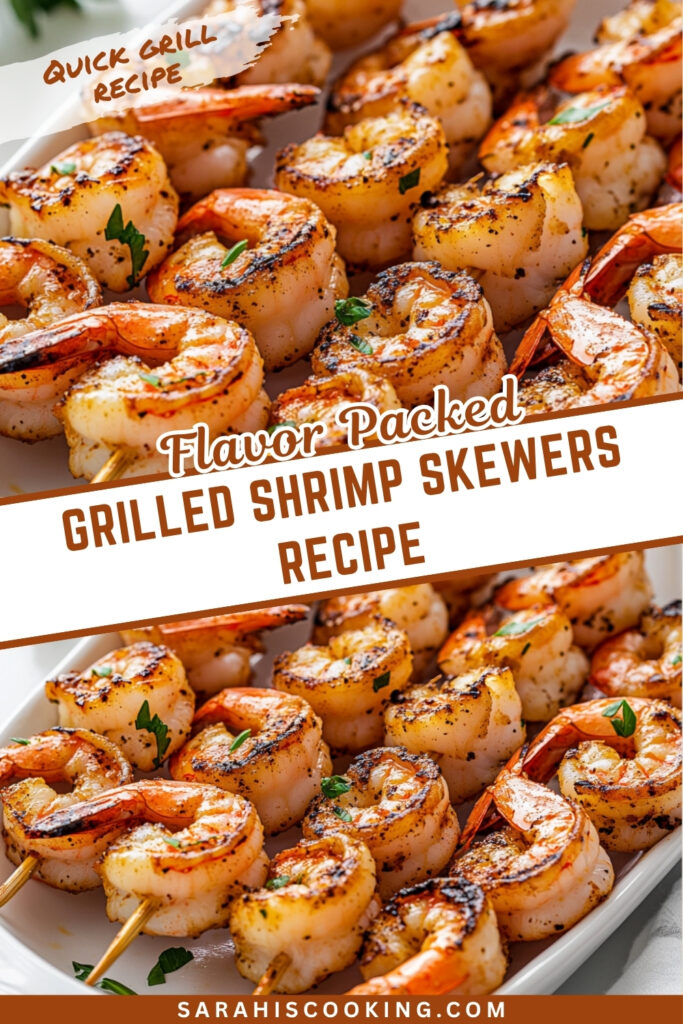
Grilled shrimp skewers are one of those recipes that should feel easy but often go wrong in practice. Overcooked, rubbery shrimp are usually the result of small timing or prep mistakes that add up quickly.
I’ve tested this method to keep the shrimp consistently juicy, lightly charred, and well-seasoned without overpowering their natural flavor. The marinade is simple, but every component has a purpose.
This is a fast, controlled cooking process. Once everything is prepped correctly, the grill does the rest in just a few minutes.
Ingredients Needed for the Recipe
- Large shrimp (31/40 size, peeled and deveined) – The size ensures even cooking without drying out; smaller shrimp overcook too quickly and lose their structure.
- Olive oil – Acts as the base of the marinade, helping carry flavor while preventing the shrimp from sticking and drying on the grill.
- Lemon juice – Adds acidity to brighten flavor and lightly tenderize the shrimp surface without breaking it down.
- Garlic (minced) – Provides depth and sharpness that balances the richness of the oil.
- Italian seasoning – A blend of herbs that distributes evenly, giving a consistent flavor without needing multiple fresh herbs.
- Smoked paprika – Enhances the grilled flavor with a subtle smokiness that complements the char.
- Sea salt – Draws out moisture slightly, allowing seasoning to penetrate while improving overall flavor balance.
- Black pepper – Adds mild heat and rounds out the seasoning.
- Bamboo skewers – Keeps shrimp aligned for even cooking and easy flipping; soaking prevents burning during grilling.
How to make Grilled Shrimp Skewers?
Step 1 – Soak the Skewers
If using bamboo skewers, submerge them in water for 30 to 60 minutes. This step prevents scorching and keeps the skewers from weakening on the grill.
I usually weigh them down with a bowl so they stay fully submerged. Skipping this step often leads to burnt ends and uneven cooking.
Step 2 – Prepare the Marinade
In a large bowl, whisk together olive oil, lemon juice, minced garlic, Italian seasoning, smoked paprika, salt, and pepper until fully combined.
The mixture should look cohesive and slightly thickened. If it separates immediately, keep whisking until the oil and acid are better emulsified.
Step 3 – Marinate the Shrimp
Add the shrimp and gently toss until every piece is evenly coated. Let them sit for 15 to 30 minutes, but not longer.
Past 30 minutes, the lemon juice begins to alter the texture, making the shrimp firm in an unpleasant way. The goal is flavor, not pre-cooking.
Step 4 – Preheat the Grill
Preheat your grill over medium-high heat for about 10 to 15 minutes. A properly heated surface is essential for getting a light char quickly.
If the grill is too cool, the shrimp will cook slowly and release moisture, leading to a soft, uneven texture.
Step 5 – Thread the Shrimp
Remove shrimp from the marinade and thread them onto skewers, piercing through both the head and tail ends for stability.
Keep them slightly spaced to allow heat circulation. Overcrowding traps steam and prevents proper grilling.
Step 6 – Grill the Shrimp
Place the skewers on the grill and close the lid. Cook for 2 to 3 minutes on the first side until the bottom turns pink and opaque.
Flip once and cook another 2 to 3 minutes. The shrimp should be fully opaque with a slight curl but not tightly coiled.
Step 7 – Remove and Rest Briefly
Take the skewers off the grill as soon as both sides are cooked through. Even an extra minute can push them into overcooked territory.
Let them sit for a minute before serving. This short rest allows juices to settle without cooling the shrimp too much.
Why This Recipe Works
The balance of oil and acid in the marinade is intentional. The oil protects the shrimp during high-heat cooking, while the lemon juice enhances flavor without breaking down the protein too aggressively.
Using large shrimp creates a margin of error. They cook quickly but still give you enough time to control doneness, which smaller shrimp do not.
The short marination window preserves texture. Combined with high heat and quick cooking, it ensures the shrimp stay tender rather than firm or rubbery.
How I Tested and Refined This Recipe
I started by testing different shrimp sizes. Medium shrimp consistently overcooked before developing any char, while jumbo shrimp required slightly longer cooking and felt less balanced.
I also experimented with marination times. At 45 minutes, the shrimp began to feel slightly cured on the outside, which changed the texture in a way I didn’t want.
The seasoning blend went through a few adjustments. Too much paprika masked the natural shrimp flavor, and skipping it entirely made the result feel flat.
I tested grill temperatures as well. Medium heat produced uneven cooking, while very high heat burned the exterior before the inside finished. Medium-high turned out to be the most reliable.
The final method reflects those adjustments. Every step is there to protect texture and build flavor without adding unnecessary complexity.
Common Mistakes and How to Avoid Them
- Over-marinating – Keep it under 30 minutes to avoid a firm, almost cured texture.
- Using small shrimp – They cook too fast and become rubbery before developing flavor.
- Not preheating the grill – Leads to steaming instead of grilling.
- Overcrowding skewers – Prevents proper heat circulation and reduces charring.
- Cooking too long – Shrimp only need a few minutes per side; watch closely.
- Skipping skewers – Makes flipping difficult and increases the risk of uneven cooking.
- Using pre-cooked shrimp – They will turn tough when reheated on the grill.
Make-Ahead, Storage, and Freezing Guidance
You can prepare the marinade ahead of time and store it in the refrigerator for up to two days. Add the shrimp only when ready to cook to maintain texture.
Cooked shrimp can be stored in an airtight container in the fridge for 3 to 4 days. The texture will firm up slightly over time, which is normal.
For freezing, remove shrimp from skewers and cool completely before storing. They keep well for up to 3 months but lose some tenderness after thawing.
Reheat gently in a lightly oiled skillet over medium heat. Avoid high heat, which can quickly make them tough.
Tips
- Pat shrimp dry before marinating for better flavor absorption.
- Add lemon zest for a stronger citrus profile without extra acidity.
- Thread shrimp in the same direction for even flipping.
- Use metal skewers if you want to skip soaking, but monitor heat closely.
- Brush the grill grates lightly with oil before cooking to prevent sticking.
- Serve immediately for the best texture and flavor.
- Pair with simple sides to keep the focus on the shrimp.
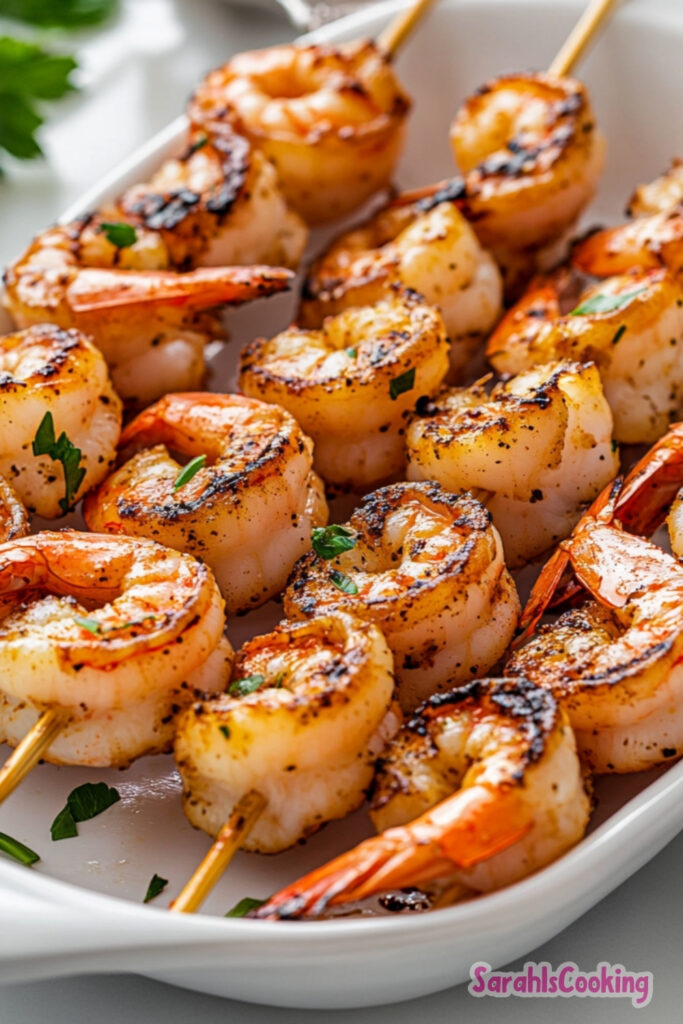

Grilled Shrimp Skewers Recipe
Description
These grilled shrimp skewers are the ultimate quick and healthy meal, perfect for summer evenings or fast weeknight dinners. Marinated in a zesty blend of lemon, garlic, and smoked paprika, the shrimp turn out perfectly juicy with a beautiful char. Whether you are hosting a backyard BBQ or need a lightning-fast protein, these skewers deliver smoky, garlicky flavor in minutes without drying out.
ingredients
Marinade & Skewers
Instructions
Prepare Skewers
If using bamboo skewers, soak them in a bowl of water for 30–60 minutes to prevent them from burning on the grill.Weigh them down with a heavy bowl to keep them submerged.Make Marinade
In a large bowl, whisk together the olive oil, lemon juice, minced garlic, Italian seasoning, smoked paprika, sea salt, and black pepper until well combined.Marinate Shrimp
Add the raw shrimp to the bowl and toss gently to coat evenly. Let marinate for 15–30 minutes.Do not marinate longer than 30 minutes or the acid will start to 'cook' the shrimp, changing the texture.Preheat Grill
Preheat your grill (or grill pan) to medium-high heat (approx. 200°C / 400°F) during the last 15 minutes of marinating time.Thread Shrimp
Remove shrimp from the marinade (discard excess liquid) and thread them onto the soaked skewers. You can fit about 8-10 shrimp per skewer depending on size.Leaving tails on adds flavor and makes them easier to hold.Grill
Place skewers on the hot grill. Cook for 2–3 minutes until the bottom is pink and opaque but the top is still slightly translucent. Flip and cook for another 2–3 minutes until fully opaque and pink.Total cook time is typically 4-6 minutes. Do not overcook or they will become rubbery.Serve
Remove immediately from the grill. Garnish with fresh parsley and lemon wedges if desired, and serve hot.
Nutrition Facts
Servings 4
Serving Size 2 skewers (approx. 8-10 shrimp)
- Amount Per Serving
- Calories 185kcal
- % Daily Value *
- Total Fat 10.5gg17%
- Saturated Fat 1.6gg8%
- Trans Fat 0gg
- Cholesterol 175mgmg59%
- Sodium 420mgmg18%
- Potassium 145mgmg5%
- Total Carbohydrate 2.1gg1%
- Dietary Fiber 0.3gg2%
- Sugars 0.2gg
- Protein 20.5gg41%
- Calcium 6% mg
- Iron 15% mg
* Percent Daily Values are based on a 2,000 calorie diet. Your daily value may be higher or lower depending on your calorie needs.
Note
- Don't Over-Marinate: Keep it under 30 minutes. The lemon juice is acidic and will turn the shrimp mushy if left too long.
- Shrimp Size: Use large (31/40 count) or jumbo shrimp. Small shrimp cook too fast and easily become rubbery on the grill.
- No Grill? Use a grill pan on the stovetop over medium-high heat. The timing remains the same.
- Veggie Kabobs: Alternate shrimp with zucchini, bell peppers, or onions for a colorful meal, noting that veggies may need a head start as shrimp cooks very quickly.