
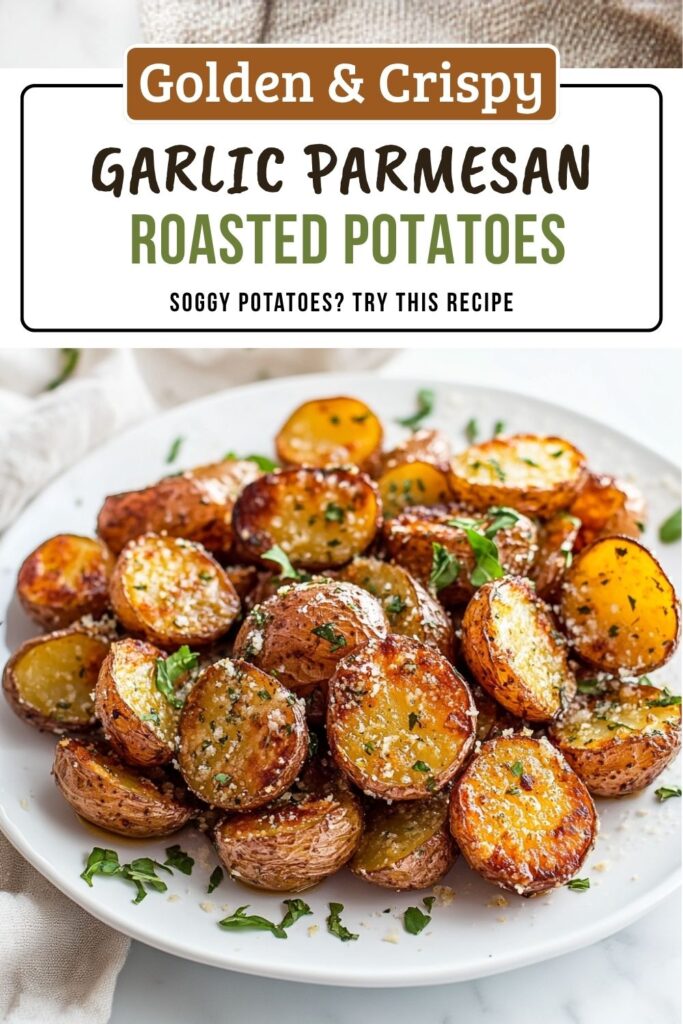
Crispy, golden Parmesan roasted potatoes with garlic and herbs. A reliable, easy side dish with bold flavor and perfect texture every time.
These Parmesan roasted potatoes deliver exactly what most home cooks are after: crisp edges, creamy centers, and a deeply savory finish that feels complete without extra effort. The method is straightforward, but the details matter.
I’ve tested this recipe with the same precision I bring to baking. Temperature, cut size, and surface coverage all play a role in getting that golden crust right. When those pieces align, the result is consistently excellent.
This is not a complicated dish, but it is an intentional one. Every step is designed to maximize texture and flavor while keeping the process efficient and repeatable.
Ingredients Needed for the Recipe
- Baby yellow or red potatoes – These hold their shape during roasting and provide a creamy interior, creating contrast with the crisp exterior.
- Olive oil – Ensures even browning and helps conduct heat across the potato surface for proper caramelization.
- Kosher salt – Enhances flavor and draws out moisture slightly, aiding in surface crisping.
- Minced garlic – Adds sharp, aromatic depth that softens and sweetens during roasting.
- Fresh oregano (or dried) – Provides a subtle herbal note that balances the richness of the cheese.
- Grated Parmesan cheese – Creates a nutty, salty crust that crisps and adheres to the potatoes during roasting.
How to make Parmesan Roasted Potatoes?
Step 1 – Preheat and Prepare the Pan
Set the oven to 425 F and allow it to fully preheat before starting. Line a rimmed baking sheet with parchment or foil to prevent sticking and promote even browning.
A properly heated oven is critical. Starting too early leads to steaming rather than roasting, which softens the exterior instead of crisping it.
Step 2 – Cut the Potatoes for Maximum Surface Area
Cut larger potatoes into 1-inch chunks or halve smaller ones. Keep pieces uniform so they cook at the same rate and finish together.
Smaller cuts expose more surface area, which means more contact with oil and cheese. That’s where the crust develops.
Step 3 – Season Directly on the Pan
Place the potatoes directly onto the lined baking sheet. Drizzle with olive oil and toss thoroughly using your hands or a spoon until evenly coated.
Sprinkle salt, garlic, oregano, and Parmesan over the potatoes. Toss again until every piece is lightly coated and the cheese begins to cling.
Step 4 – Arrange for Even Roasting
Spread the potatoes into a single layer with space between pieces. Avoid crowding, as this traps steam and prevents browning.
Some Parmesan will fall onto the pan. Leave it there. These bits melt and crisp into flavorful edges that add texture.
Step 5 – Roast and Monitor Texture
Place the pan in the oven and roast for about 25 minutes. Check at the halfway point and toss if needed for even coloring.
The potatoes are done when the edges are deeply golden and crisp, and a fork slides easily into the center without resistance.
Step 6 – Serve While Hot
Transfer the potatoes to a serving dish immediately after roasting. This keeps the crust intact and prevents softening from residual steam.
Serve hot or warm for the best texture. As they cool, the crisp edges will gradually soften.
Why This Recipe Works
The balance between oil, cheese, and surface exposure is what defines this recipe. Too little oil leads to dryness, while too much prevents proper browning. The ratio here supports both moisture and crisping.
Parmesan acts as more than a topping. It melts, adheres, and then crisps, forming a structured layer that enhances texture. This is why even distribution matters.
The high oven temperature ensures rapid moisture evaporation. This allows the exterior to firm up quickly while the interior cooks gently, creating that contrast between crisp and tender.
How I Tested and Refined This Recipe
I started with different potato varieties and found that waxy potatoes consistently held their shape better. Russets tended to break down and created uneven textures.
I tested lower oven temperatures first, around 375 F, but the potatoes browned slowly and unevenly. Increasing to 425 F produced a more reliable crust without overcooking the centers.
I also experimented with mixing everything in a bowl first. While it worked, seasoning directly on the pan produced the same result with less cleanup, which felt more practical.
Another variable was Parmesan size. Finely grated cheese coated evenly but lacked texture. Slightly larger shreds or shards created crisp pockets, which added more interest to the final dish.
The final version reflects these adjustments. Each step is there because it consistently improves either texture, flavor, or efficiency.
Common Mistakes and How to Avoid Them
- Cutting potatoes unevenly – leads to inconsistent cooking and mixed textures.
- Overcrowding the pan – traps steam and prevents crisping.
- Skipping preheating – causes soft, pale potatoes instead of browned ones.
- Using too little oil – results in dry surfaces that fail to crisp properly.
- Adding cheese too late – prevents it from bonding and forming a crust.
- Not tossing at all during roasting – can lead to uneven browning on one side.
Make-Ahead, Storage, and Freezing Guidance
These potatoes are best served fresh, but they can be stored in an airtight container in the refrigerator for up to 3 days. The texture will soften over time.
To reheat, place them in a hot oven at 400 F for 10 to 15 minutes. This helps restore some crispness, though not fully to the original state.
Freezing is not recommended. The potatoes lose their structure and become grainy after thawing, which affects both texture and flavor.
If preparing ahead, you can cut and season the potatoes a few hours in advance. Keep them refrigerated and roast just before serving for best results.
Tips
- Use a heavy baking sheet for more even heat distribution.
- Do not rinse potatoes after cutting; surface starch helps with browning.
- Let the pan sit undisturbed for the first 10 minutes of roasting.
- Try adding a pinch of paprika for color and mild warmth.
- Use freshly grated Parmesan for better melting and flavor.
- Serve immediately to preserve texture and contrast.
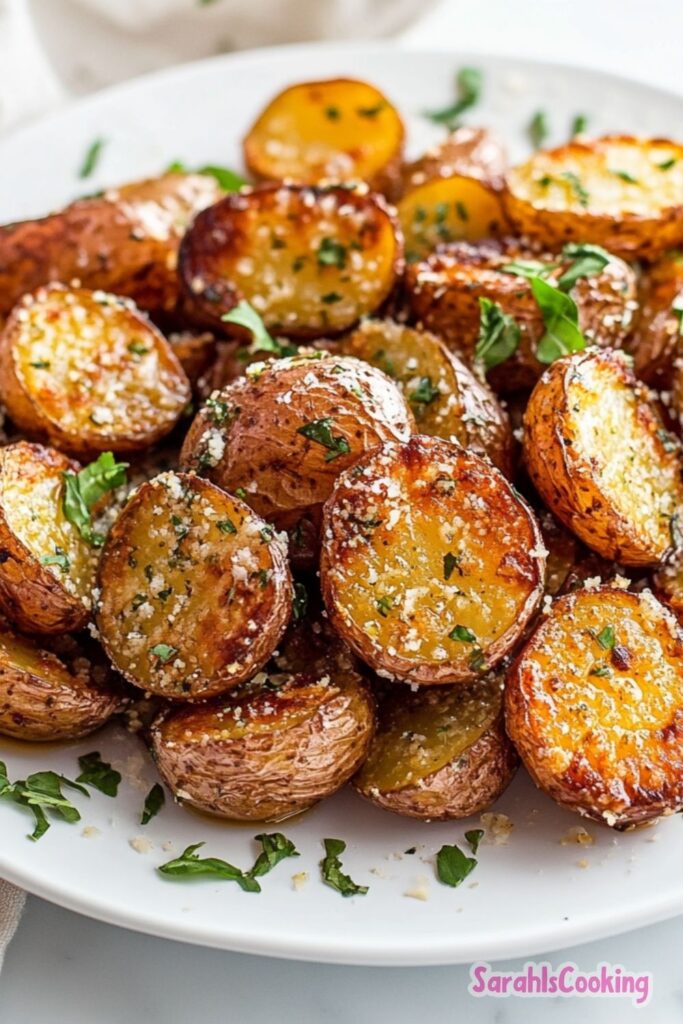

Best Parmesan Roasted Potatoes Recipe
Description
These Parmesan Roasted Potatoes are the ultimate easy side dish that delivers maximum flavor with minimal effort. By roasting waxy baby potatoes or Yukon Golds with olive oil, garlic, oregano, and a generous amount of nutty Parmesan cheese, you get crispy, golden edges and a creamy interior. The best part? You can mix everything directly on the baking sheet, saving you from washing an extra bowl. Perfect alongside steak, chicken, or seafood, these potatoes are a weeknight dinner hero.
Ingredients
Instructions
Prep the Oven and Pan
Preheat your oven to 425°F (220°C). Line a large rimmed baking sheet with parchment paper or aluminum foil for easy cleanup, and lightly spray with non-stick cooking spray.Season the Potatoes
Place the prepared potatoes directly onto the baking sheet. Drizzle with olive oil and toss with your hands or a spoon until evenly coated. Sprinkle the kosher salt, minced garlic, oregano, and grated Parmesan cheese over the potatoes. Toss again thoroughly to ensure every piece is covered in the seasoning and cheese.Spread them out in a single layer to ensure they roast rather than steam.Roast to Perfection
Bake for approximately 25 minutes, or until the potatoes are tender inside and beautifully browned and crispy on the outside. If you remember, toss them once halfway through cooking for even browning.Serve
Transfer the hot, crispy potatoes to a serving platter. Serve immediately while the Parmesan crust is still crunchy.
Nutrition Facts
Servings 6
Serving Size 1 serving
- Amount Per Serving
- Calories 195kcal
- % Daily Value *
- Total Fat 8g13%
- Saturated Fat 2g10%
- Cholesterol 5mg2%
- Sodium 420mg18%
- Potassium 450mg13%
- Total Carbohydrate 28g10%
- Dietary Fiber 3g12%
- Sugars 1g
- Protein 5g10%
* Percent Daily Values are based on a 2,000 calorie diet. Your daily value may be higher or lower depending on your calorie needs.
Note
For extra crispiness, ensure the potatoes are dry before adding oil. You can substitute thyme or rosemary for the oregano if preferred.