
The Bee’s Knees cocktail is one of those drinks that proves a short ingredient list can still produce a layered, balanced result. When the ratios are right, gin, lemon juice, and honey syrup create a drink that is bright, smooth, and quietly elegant.
I like cocktails that are simple but precise. This one fits that philosophy perfectly. With careful measurement and proper chilling, the Bee’s Knees turns three ingredients into something that feels thoughtful and polished.
Over the years I have learned that consistency matters just as much in cocktails as it does in baking. The version I share here focuses on balance, temperature, and technique so the drink comes out clean and refreshing every time.
Who This Recipe Is For
This recipe is for home bartenders who want a reliable classic they can make without complicated equipment or rare ingredients. If you enjoy citrus-forward cocktails or lighter gin drinks, this one will likely become a regular.
It is also a great starting point for people who think they do not like gin. The honey syrup softens the botanical edge while the lemon brightens everything up, creating a drink that feels approachable and balanced.
Even if you are new to mixing cocktails, the process is straightforward. Anyone comfortable measuring ingredients and shaking a cocktail shaker can make this successfully on the first try.
Why This Recipe Works
The Bee’s Knees cocktail is built on the structure of a classic sour. A strong spirit is balanced by acid and sweetness, creating a drink that feels refreshing instead of heavy.
Gin provides the backbone with its herbal and botanical notes. Lemon juice supplies acidity, which brightens the drink and keeps the sweetness from feeling syrupy.
The honey syrup is what makes this cocktail distinctive. Compared to plain sugar syrup, honey adds body and subtle floral flavor. That extra depth smooths out the drink and gives it a richer finish.
The ratio used here maintains balance without leaning too sweet or too tart. Two ounces of gin provide structure, one ounce of lemon adds brightness, and three quarters ounce of honey syrup rounds everything out.
Ingredients Needed for the Recipe
- Honey syrup (3/4 ounce) – This provides sweetness and body. Honey dissolves poorly in cold liquids on its own, so turning it into syrup ensures the drink mixes smoothly and evenly.
- Fresh lemon juice (1 ounce) – The acid component that balances the sweetness. Fresh juice provides clean brightness while bottled juice often tastes overly sharp or flat.
- Gin (2 ounces) – The base spirit that carries the flavor of the cocktail. Gin contributes botanical notes that give the drink its character and depth.
- Lemon twist – A garnish that adds a light citrus aroma. Expressing the oils from the peel enhances the drink’s fragrance and ties the flavors together.
Ingredient Insights and Function
Honey syrup is a simple mixture of honey and water that has been stirred until fully dissolved. The syrup texture allows it to blend quickly into cold drinks, something straight honey cannot do easily.
The type of honey you use will slightly affect the flavor. Mild clover honey produces a balanced drink, while darker honeys bring deeper floral or caramel notes.
Fresh lemon juice is essential for the structure of the cocktail. Lemon provides sharp acidity that contrasts with the honey’s sweetness and keeps the drink lively instead of heavy.
Gin selection matters more than people expect. London dry styles offer crisp juniper notes, while softer botanical gins produce a smoother drink. Either works well, but the flavor profile will shift slightly.
If honey syrup is unavailable, simple syrup can technically replace it. The drink will still be balanced, but it will lose the gentle floral sweetness that defines the Bee’s Knees.
How to make Bee’s Knees Cocktail?

Step 1 – Prepare and Chill
Start by chilling your cocktail glass. A coupe or martini glass works well for this drink. Place it in the freezer for several minutes so the cocktail stays cold after straining.
Fill a cocktail shaker halfway with ice. Cold ice is important because this drink is served without ice in the glass, meaning the shaker must provide both chilling and dilution.
Step 2 – Measure the Ingredients
Add three quarters ounce honey syrup, one ounce fresh lemon juice, and two ounces gin to the shaker. A jigger helps maintain accuracy, which is important for keeping the drink balanced.
Precise measurement ensures the drink stays bright and refreshing. Too much honey syrup will flatten the citrus, while too much lemon will overpower the botanicals in the gin.
Step 3 – Shake Thoroughly
Seal the shaker and shake vigorously for about thirty seconds. This step chills the cocktail and incorporates a small amount of dilution from the melting ice.
You should feel the outside of the shaker become very cold. That temperature drop signals that the ingredients are fully chilled and ready to strain.
Step 4 – Strain the Cocktail
Strain the mixture into your chilled coupe glass using a cocktail strainer. A single strain is usually enough, though a double strain can create an extra smooth texture.
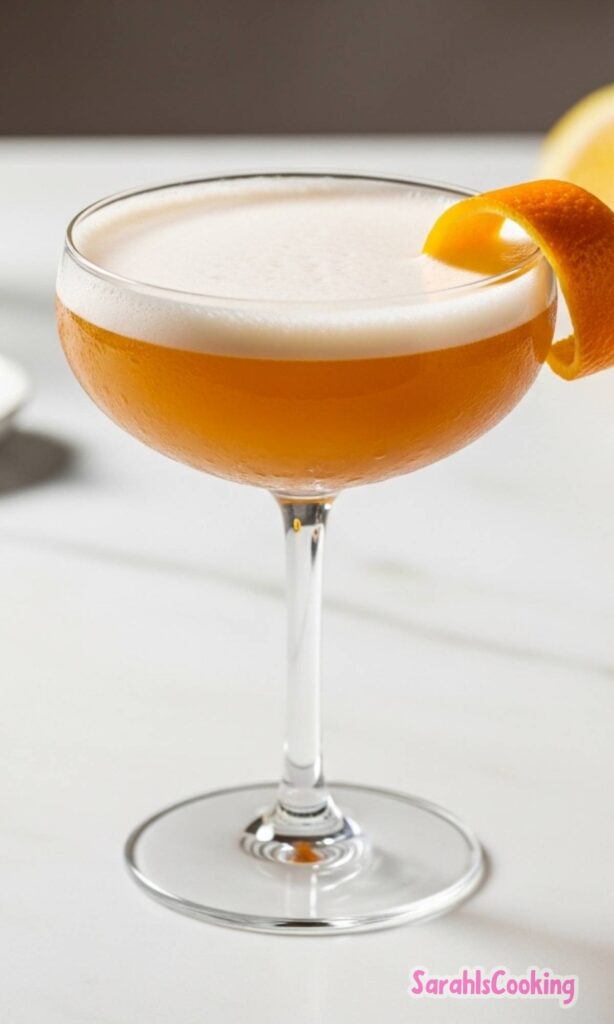
The finished drink should appear lightly cloudy from the shaken citrus. That slight opacity is normal and part of the cocktail’s texture.
Step 5 – Garnish and Serve
Cut a strip of lemon peel and gently twist it over the glass to release its oils. Drop the peel into the drink or rest it on the rim.
Serve immediately while the cocktail is cold and lively. The balance of citrus, honey, and botanicals is most vibrant right after shaking.
How I Tested and Refined This Recipe
When I first started making Bee’s Knees cocktails at home, I experimented with several sweetness levels. Early versions used a full ounce of honey syrup, which made the drink slightly heavy.
Reducing the honey syrup to three quarters ounce kept the flavor present while restoring the bright edge from the lemon juice. That ratio produced a cleaner finish.
I also tested different shaking times. Short shakes did not chill the drink enough, while longer shakes diluted it more than necessary.
Thirty seconds turned out to be the sweet spot. The drink becomes fully chilled without watering down the flavor balance.
Gin selection was another variable. Strong juniper-forward gins created a sharper cocktail, while softer botanical gins allowed the honey to stand out more.
Both styles worked well, but the key remained keeping the citrus and honey balanced so the gin stayed integrated instead of dominating.
Common Mistakes and How to Avoid Them
- Using bottled lemon juice which often tastes too acidic and lacks fresh citrus brightness.
- Adding honey directly instead of honey syrup which can leave sticky clumps that do not dissolve.
- Skipping the chilling step for the glass which causes the cocktail to warm up too quickly.
- Under-shaking the cocktail which prevents proper dilution and leaves the drink tasting sharp.
- Over-shaking for too long which waters down the drink and dulls the honey flavor.
- Guessing measurements instead of using a jigger which can throw off the delicate sweet-sour balance.
Make-Ahead, Storage, and Freezing Guidance
This cocktail is best prepared fresh, but some components can be made ahead. Honey syrup can be stored in the refrigerator for up to two weeks in a sealed container.
Fresh lemon juice can be squeezed a few hours ahead and kept refrigerated. After about a day the flavor begins to dull and becomes less vibrant.
For parties, the cocktail can be mixed in larger batches and chilled in the refrigerator for up to four hours. Stir well before serving and pour into chilled glasses.
Freezing is not recommended for this drink. The citrus and honey structure does not thaw evenly and the texture becomes diluted.
Tips
- Chill all ingredients beforehand if possible to keep dilution minimal.
- Use large solid ice cubes in the shaker for better chilling.
- Taste your honey syrup before using it so you understand its sweetness level.
- Express the lemon peel oils over the drink to enhance the aroma.
- Serve immediately after shaking for the best balance and freshness.
- Adjust the honey syrup slightly if you prefer a sweeter or more tart drink.

Bee’s Knees Cocktail Recipe
Description
A simple yet luxurious cocktail combining gin, lemon juice and honey syrup, the Bee's Knees is made for any occasion from summer parties to cozy evenings. This approachable, balanced drink converts even gin skeptics with its golden, sweet-tart magic. Born in the Prohibition era, this classic cocktail showcases how limitation bred innovation—three ingredients coming together to create something far greater than the sum of its parts.
ingredients
Instructions
Combine
Combine honey syrup, lemon juice, and gin in a cocktail shaker filled with ice.Use fresh lemon juice for best flavor balanceShake
Shake well until chilled all the way through, about 30 seconds.Shake vigorously to properly dilute and chillStrain
Strain into a chilled coupe glass.Double strain if you prefer a smoother textureGarnish & Serve
Garnish with a lemon twist and serve immediately!Express lemon oils over the drink before dropping in
Nutrition Facts
Servings 1
Serving Size 1 cocktail (approx. 4 oz)
- Amount Per Serving
- Calories 185kcal
- % Daily Value *
- Total Fat 0gg0%
- Saturated Fat 0gg0%
- Trans Fat 0gg
- Cholesterol 0mgmg0%
- Sodium 5mgmg1%
- Potassium 40mgmg2%
- Total Carbohydrate 15gg5%
- Dietary Fiber 0gg0%
- Sugars 13gg
- Protein 0gg0%
- Calcium 5mg mg
- Iron 0.1mg mg
* Percent Daily Values are based on a 2,000 calorie diet. Your daily value may be higher or lower depending on your calorie needs.
Note
- Adjust sweetness: Prefer more honey flavor? Use 1 to 1¼ ounces honey syrup instead of ¾ ounce.
- Chill ingredients: Since this cocktail isn't served over ice, chill your gin, lemon juice, and honey syrup beforehand for the coldest result.
- Easy garnish: No patience for twisting? Skip the garnish or use a simple lemon wheel instead.
- Big batch friendly: Multiply ingredients by 8 for a crowd: ¾ cup honey syrup, 1 cup lemon juice, 2 cups gin. Stir with ice in a pitcher and serve immediately.