
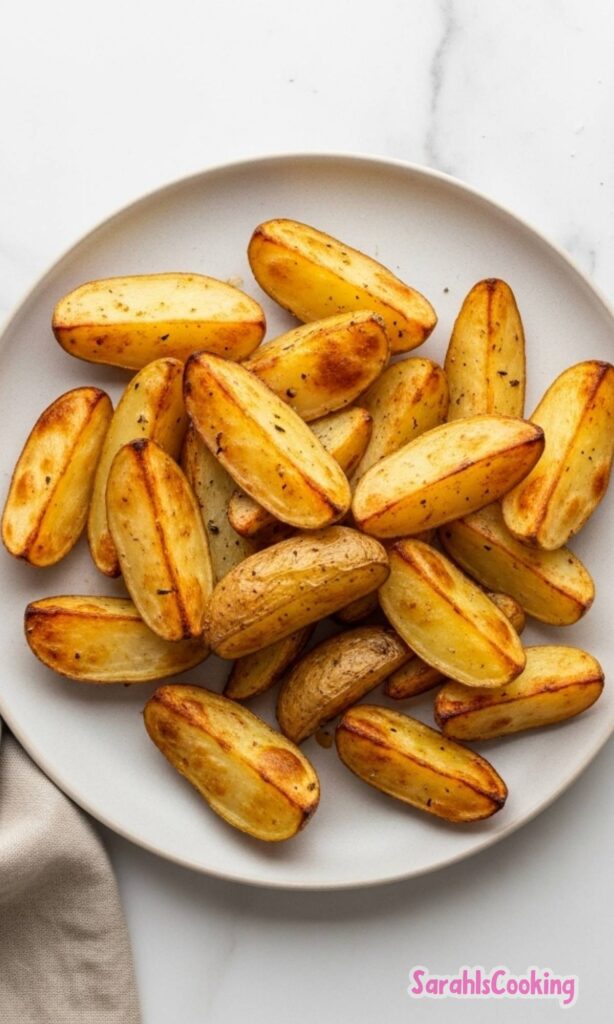
Let’s settle something right away. A truly great roast potato isn’t just a side dish, it’s the main event on the plate. It’s the thing people quietly sneak seconds of, and then argue over the last crispy piece.
This recipe is about achieving that perfection, a method where science and a bit of gentle chaos unite to create something extraordinary. The goal is a breathtaking contrast: a shatteringly crisp, almost glass-like exterior that gives way to a cloud-soft, flavorful interior.
It feels like a magic trick, but it’s really just understanding a few simple principles. And the best part? It’s surprisingly forgiving. You’re not just following steps, you’re learning a technique that will change how you cook potatoes forever. So, roll up your sleeves, and let’s make some potatoes that will, without a hint of exaggeration, steal the show.
We owe a big thank you to British cooking for this technique. They understand that the path to crispness begins not in the oven, but in a pot of boiling water. The classic method is beautifully straightforward: boil, roughen, then roast. This process transforms the very surface of the potato.
That rough, starchy paste that forms is your golden ticket. It clings to each chunk and crisps into a flavorful, craggy landscape in the hot oven. It’s the textural opposite of the creamy center, and that’s exactly what we’re chasing.
This recipe takes that brilliant foundation and optimizes every single variable, from the size of the cut to the chemistry of the water.
Every ingredient here has a specific job, working together to build layers of texture and flavor. Using the right potato is your first crucial decision.
Don’t just boil your potatoes, engineer their texture. Bring a large pot of water to a *rolling* boil first, then add the salt, baking soda, and your peeled, large potato chunks. Starting in boiling, alkaline water is key—it aggressively breaks down the exteriors while the centers cook through gently.
Simmer until they are just tender when poked with a knife, about 10 minutes after returning to a boil. You want them *almost* fall-apart tender, but still holding their shape.
While the potatoes boil, gently heat your chosen fat with the minced rosemary and garlic in a small saucepan. Cook, swirling constantly, just until the garlic begins to turn a pale gold.
You’re toasting the aromatics, not frying them. Immediately strain the oil into a large bowl, reserving the solid garlic and rosemary separately. This infuses the oil with incredible flavor and protects those delicate solids from burning to a bitter crisp in the fierce oven heat.
Drain the potatoes well and let them steam dry in the colander for a mere 30 seconds. Now, the fun part. Transfer them to the bowl with the infused oil, season with a pinch more salt and pepper, and then toss.
But don’t just toss, shake the bowl with a rough, confident motion. You’ll see a thick, mashed-potato-like paste start to build up on the chunks. This is the moment of creation—this paste is your future crisp coating. Don’t be gentle.
Spread the coated potatoes on a large rimmed baking sheet, giving them plenty of personal space. Roast in your preheated 450°F (230°C) oven, and here’s the hard part: walk away.
For a full 20 minutes, do not touch them. This lets the bottoms set and form an initial crust so they won’t stick. After that, use a thin spatula to carefully lift and flip each one.
Then, continue roasting, turning occasionally, until they are a deep, glorious brown all over. This can take 30 to 40 more minutes, so trust your eyes, not just the clock.
When the potatoes are gloriously crisp and crackling, transfer them to a serving bowl. Immediately add the reserved garlic-rosemary mixture and the minced fresh parsley. Give everything a final, gentle toss.
The residual heat will wake up the reserved aromatics, and the parsley will add a burst of color and freshness. Taste, adjust with a final pinch of salt if needed, and serve without delay.
Your potato variety isn’t just a minor detail, it’s a choice that defines the final character of the dish. Think of russets as the classicist’s choice—high starch content means they fluff up beautifully inside and develop that archetypal, shattering crisp shell.
They brown to a perfect golden hue. Yukon Golds are the flavor champions. They’re a bit waxier, with a naturally buttery taste and a creamier, more velvety interior.
Their crust is still wonderfully crisp, though it might have a slightly different, more delicate crunch. For the ultimate experience, try a mix of both. You get the textural contrast of the russet and the deep, rich flavor of the Gold, all on one platter.
These potatoes are magnificent on their own, but they also love company. They’re the perfect bed for a saucy stew or a juicy roast, soaking up flavors beautifully. For a simpler take, serve them alongside a dollop of cool, full-fat sour cream or a garlicky aioli for dipping.
Feel free to play with the aromatics. Thyme or sage make wonderful substitutes for rosemary. For a spicy kick, add a pinch of crushed red pepper flakes to the oil during infusion. If you’re out of fresh herbs, using a high-quality, fresh-tasting fat like duck fat or a robust olive oil will still carry the day with fantastic results.
Let’s be honest, leftovers are unlikely. But if you do have some, store them in an airtight container in the refrigerator for up to 3 days. The microwave is their enemy, turning that crisp shell soft.
To reheat, spread them on a baking sheet and place them in a 400°F (200°C) oven for 10-15 minutes. They won’t be *quite* as perfect as fresh from the first roast, but they’ll regain a satisfying crunch and be far superior to any soggy, microwaved version.
The true beauty of this recipe lies in its transformative power. You start with humble, earthy potatoes and through a series of intentional steps, you create something truly celebratory.
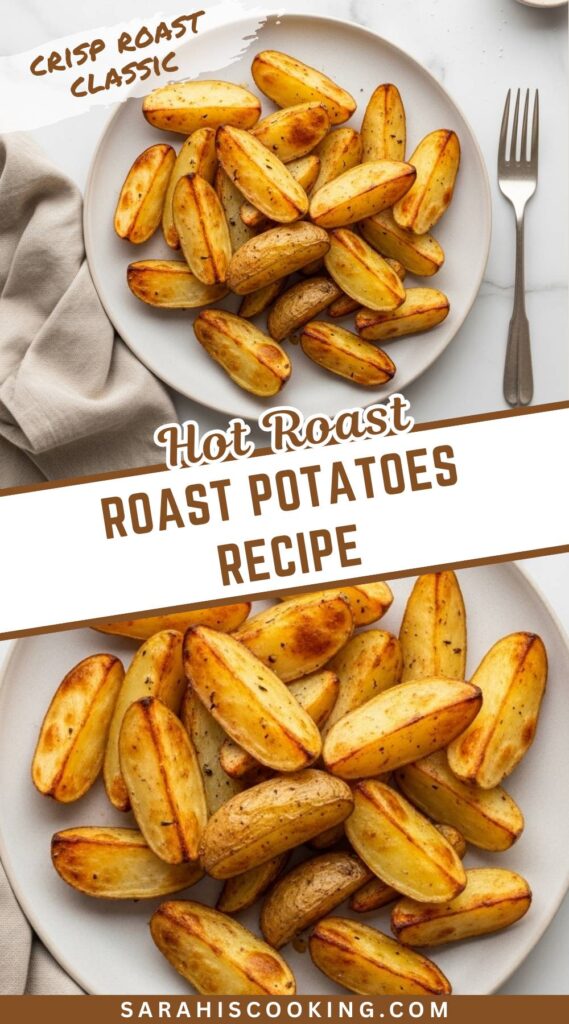
It’s a process that invites you to observe, to listen to the sizzle, and to trust the chemistry happening in your pot and your oven. When you pull out that tray of deeply bronzed, blistering potatoes, you’ll know. You’ve just made the best.
These are the most flavorful crispy roast potatoes you'll ever make—perfectly golden, incredibly crunchy on the outside, and luxuriously creamy within. This British-inspired method uses boiling with baking soda and high-heat roasting to maximize texture contrast. Bonus: they’re naturally gluten-free and vegan if you use oil!