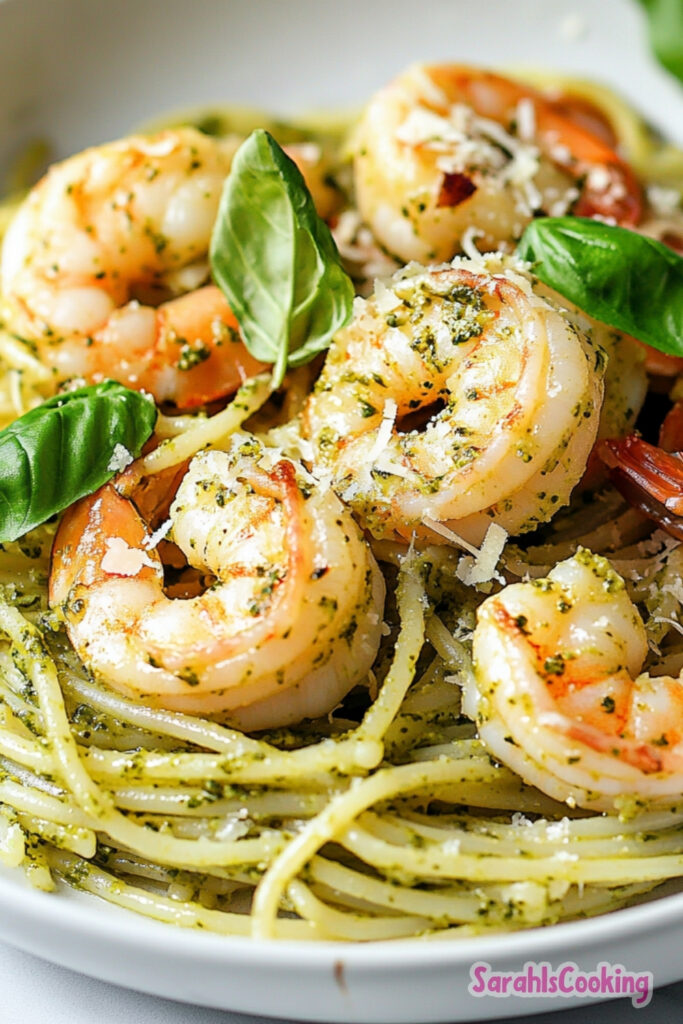
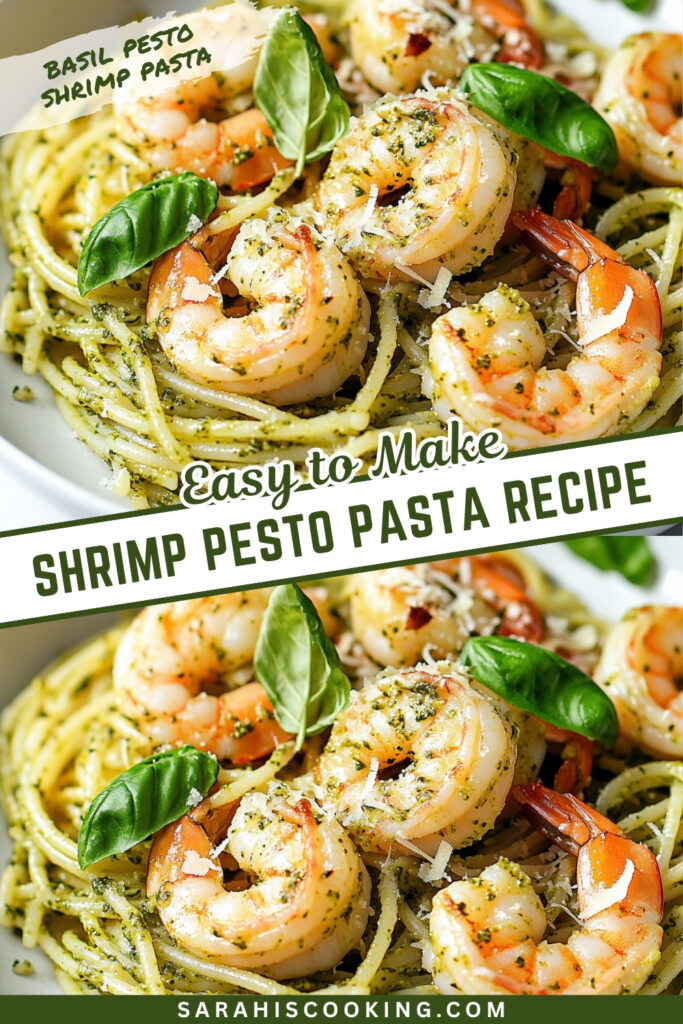
This shrimp pesto pasta is built for consistency. It delivers a bright, herb-forward sauce, tender shrimp, and well-coated pasta every time without relying on guesswork.
I approach this recipe with a balance of speed and control. Each component is handled separately, then brought together with intention so nothing overcooks or dulls in flavor.
The result is a dish that feels fresh and structured, not heavy. It comes together in about 30 minutes, but it tastes like something you planned with care.
Ingredients Needed for the Recipe
Fresh basil leaves - This forms the backbone of the pesto, providing structure and freshness. Using a generous amount ensures the sauce coats evenly without tasting diluted.
Slivered almonds - These replace pine nuts and add body to the pesto. They create a slightly thicker texture that clings better to pasta.
Garlic cloves - Essential for depth and sharpness. It cuts through the richness of the oil and cheese, preventing the pesto from tasting flat.
Lemon zest and juice - This brightens the entire dish. The zest adds aromatic lift, while the juice balances the fat from the oil and cheese.
Parmesan cheese - Adds saltiness and umami. It also helps emulsify the pesto, giving it a cohesive, creamy consistency.
Extra-virgin olive oil - This binds the pesto into a smooth sauce. The quality matters here since it directly impacts flavor and mouthfeel.
Spaghetti - A long pasta that holds pesto well. Its surface allows the sauce to coat evenly without pooling at the bottom.
Raw shrimp (peeled and deveined) - The protein element that cooks quickly. Larger shrimp maintain texture better and avoid becoming rubbery.
Olive oil (for cooking shrimp) - Helps achieve a light sear. It prevents sticking and encourages even cooking.
Salt and pepper - Basic seasoning that enhances both the shrimp and pasta. Proper salting at each stage builds flavor.
Reserved pasta water - A critical finishing element. Its starch content loosens the pesto and helps it adhere smoothly to the pasta.
How to make Shrimp Pesto Pasta?
Step 1 - Build the Pesto Base
Add basil, almonds, garlic, lemon zest, lemon juice, and Parmesan to a food processor. Pulse in short bursts until the mixture is finely chopped but not completely smooth.
With the processor running, slowly drizzle in olive oil. Stop once the pesto becomes cohesive and slightly textured, not overly pureed.
Step 2 - Boil the Pasta Properly
Bring a large pot of water to a rolling boil and salt it generously. The water should taste seasoned, since this is the only chance to flavor the pasta itself.
Cook the spaghetti until al dente. Reserve about one cup of pasta water before draining, then set the pasta aside.
Step 3 - Prepare the Shrimp
Pat the shrimp completely dry, then season with salt and pepper. This step is important to avoid steaming instead of searing.
Heat olive oil in the same pot over medium heat. Add shrimp in a single layer and cook for 2 to 3 minutes per side until pink and opaque.
Step 4 - Combine Pasta and Shrimp
Return the cooked pasta to the pot with the shrimp. Add a small amount of reserved pasta water and toss gently to loosen everything.
The goal here is to create a slightly glossy base before adding the pesto, not a watery mixture.
Step 5 - Finish with Pesto
Add the prepared pesto and toss until the pasta is evenly coated. If the sauce feels too thick, add more pasta water a little at a time.
Stop once the pasta looks lightly coated and glossy, not heavy or clumped. Serve immediately for the best texture.
Why This Recipe Works
This recipe works because each component is built with a clear role. The pesto is intentionally thick so it can be adjusted later with pasta water rather than starting too thin.
The use of almonds instead of pine nuts creates a slightly sturdier sauce. It holds onto the pasta better and resists separating when combined with heat.
Cooking the shrimp separately prevents overcooking. By adding them back at the end, their texture stays tender instead of turning firm and dry.
Reserved pasta water acts as a binding agent. Its starch content helps emulsify the oil-based pesto, creating a smooth coating rather than an oily layer.
How I Tested and Refined This Recipe
I started with a traditional pesto ratio using pine nuts, but the texture felt too delicate once combined with hot pasta. It separated slightly and didn’t cling as well as I wanted.
Switching to almonds gave the sauce more structure. I tested different quantities and found that a smaller amount kept the pesto balanced without turning it pasty.
The shrimp required careful timing. Early versions had the shrimp cooked first and held aside, but they lost their tenderness by the time everything came together.
Cooking them just before combining made a noticeable difference. They stayed juicy and integrated better with the pasta.
I also adjusted how the pasta water was added. Dumping it in all at once diluted the flavor, so I moved to gradual additions for better control.
Each change was small, but together they created a version that feels reliable and repeatable, not dependent on perfect timing alone.
Common Mistakes and How to Avoid Them
Overprocessing the pesto - This turns it into a paste and dulls the color. Use short pulses and stop while it still has texture.
Skipping the pasta water - Without it, the sauce won’t bind properly and may feel oily instead of cohesive.
Cooking shrimp straight from wet - Excess moisture causes steaming. Always pat them dry before cooking.
Overcooking the shrimp - They should just turn opaque. Leaving them longer makes them rubbery.
Undersalting the pasta water - This leads to bland noodles that can’t be fixed later.
Adding pesto to very hot, dry pasta - This can cause clumping. Always add a bit of pasta water first.
Make-Ahead, Storage, and Freezing Guidance
This dish is best served immediately, but it can be stored in the refrigerator for up to 2 days. The pesto will thicken as it sits, and the pasta may absorb some of the sauce.
When reheating, add a splash of water or broth to loosen the texture. Warm gently over low heat to avoid overcooking the shrimp.
The pesto itself can be made ahead and stored separately for up to 3 days. Keep it covered with a thin layer of oil to preserve color.
Freezing the full dish is not ideal. The pasta softens and the shrimp can become tough when thawed. If needed, freeze only the pesto for better results.
Tips
Toast the almonds lightly for a deeper, nuttier flavor.
Use freshly grated Parmesan for better melting and flavor.
Keep the pesto slightly thick before mixing. You can always thin it later.
Cook pasta just to al dente since it will cook slightly more when combined.
Use a wide pot or pan when combining to avoid breaking the pasta.
Add a final squeeze of lemon before serving for brightness.
This Shrimp Pesto Pasta is a vibrant, 30-minute meal featuring tender sautéed shrimp tossed with homemade basil-almond pesto and spaghetti. The fresh lemon zest brightens the flavor, while reserved pasta water creates a silky sauce that clings to every noodle. Perfect for busy weeknights or elegant dinner parties, this dish balances rich, nutty pesto with lean protein for a satisfying meal.
ingredients
For the Pesto
3cups fresh basil leaves (destemmed)
1/4cup slivered almonds (can substitute pine nuts or walnuts)
2cloves garlic
1whole lemon (zested and juiced)
2tablespoons Parmesan cheese (grated)
1/2cup extra-virgin olive oil
For the Shrimp & Pasta
1pound spaghetti (or linguine/fettuccine)
1pound raw shrimp (peeled, deveined, tails removed)
1tablespoon olive oil (for cooking shrimp)
to taste salt and black pepper
1cup reserved pasta water (approximate, as needed)
Instructions
1
Make the PestoIn a food processor, combine basil, almonds, garlic, lemon zest, lemon juice, and Parmesan cheese. Process until finely minced.
Pulse initially to keep texture chunky if desired.
2
Emulsify the OilWith the machine running, slowly pour in the olive oil until the mixture is smooth and well combined. Set aside.
3
Cook the PastaBring a large pot of salted water to a boil. Add spaghetti and cook until al dente according to package directions. Reserve 1 cup of pasta water, then drain pasta.
Salting the water is crucial for seasoning the noodles.
4
Sauté the ShrimpSeason shrimp with salt and pepper. Heat 1 tablespoon olive oil in the empty pasta pot over medium heat. Cook shrimp for 2-3 minutes per side until pink and opaque.
Ensure shrimp are patted dry before cooking for a better sear.
5
Combine and ServeAdd the drained pasta and a splash of reserved pasta water to the pot with the shrimp. Stir to combine, then add the pesto and toss until evenly coated. Add more pasta water if needed to loosen the sauce.
The starchy water helps bind the sauce to the pasta.
6
Final TouchDivide among 6 serving bowls. Garnish with extra Parmesan or fresh basil if desired.
Nutrition Facts
Servings 6
Serving Size 1.5 cups
Amount Per Serving
Calories567kcal
% Daily Value *
Total Fat25gg39%
Saturated Fat4gg20%
Trans Fat0.003gg
Cholesterol123mgmg41%
Sodium125mgmg6%
Potassium469mgmg14%
Total Carbohydrate60gg20%
Dietary Fiber4gg16%
Sugars3gg
Protein27gg54%
Calcium 119 mg
Iron 2 mg
* Percent Daily Values are based on a 2,000 calorie diet. Your daily value may be higher or lower depending on your calorie needs.
Note
Pesto Texture: Use the pulse option on your food processor for a chunkier pesto that retains the bright green color of the basil.
Pasta Water is Key: Never skip reserving the pasta water; its starch content is essential for emulsifying the oil and creating a cohesive sauce.
Shrimp Tips: Pat shrimp completely dry before seasoning to ensure they sear properly rather than steam in the pan.
Storage: Leftovers can be stored in an airtight container in the fridge for up to 7 days. Reheat gently with a splash of water.
Pin this recipe to share with your friends and followers.
Sarah
Food and Lifestyle Blogger
Hi, I’m Sarah, a home cook and baker who believes that good food doesn’t need to be complicated to be meaningful. This blog is where I share approachable, dependable recipes made with care — the kind of dishes you can come back to again and again.