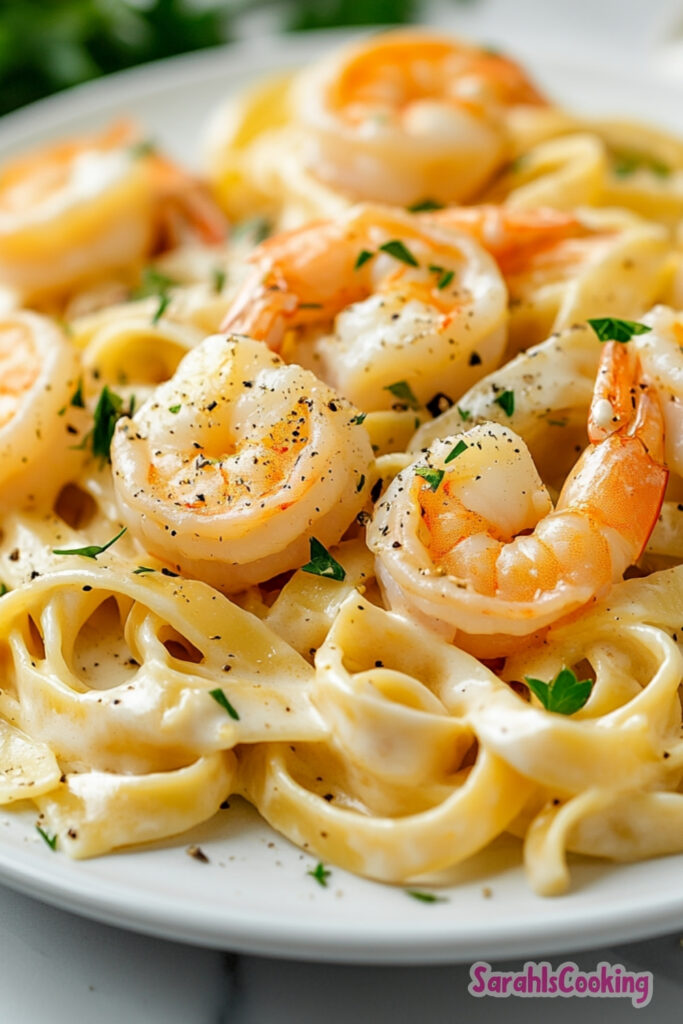
This shrimp Alfredo pasta is one of those recipes I rely on when I want something that feels elevated but still behaves like a weeknight dinner. It’s rich, creamy, and consistent, and it comes together without any complicated techniques or hard-to-find ingredients.
I’ve tested this version carefully so the sauce stays smooth, the shrimp stay tender, and the pasta holds onto every bit of flavor. It’s built to work in a real kitchen, not just on paper.
The result is a balanced, American-style Alfredo that leans into creaminess while still letting the garlic, butter, and Parmesan do their job. When the ratios are right, it’s dependable every single time.
Ingredients Needed for the Recipe
Shrimp - provides the main protein and cooks quickly; its natural sweetness balances the richness of the sauce.
Fettuccine - a wide pasta that holds creamy sauces well, giving structure and ensuring each bite is coated.
Butter - forms the base fat for both cooking the shrimp and building the sauce; adds depth and richness.
Garlic - brings aromatic intensity and sharpness that cuts through the cream.
Heavy cream - creates the body of the sauce; its high fat content prevents curdling and allows smooth emulsification.
Parmesan cheese - thickens the sauce while adding saltiness and umami; melts into the cream for structure.
Salt - enhances all flavors and controls overall seasoning balance.
Black pepper - adds subtle heat and complexity without overpowering the dish.
Fresh parsley - optional, but adds freshness and contrast to the rich sauce.
How to make Shrimp Alfredo Pasta?
Step 1 - Prepare the Shrimp
If using frozen shrimp, thaw them completely and pat them dry. Removing excess moisture is important because it helps the shrimp sear instead of steam.
Season lightly with salt and pepper. Keep the seasoning simple at this stage so it complements the sauce later instead of competing with it.
Step 2 - Cook the Pasta
Bring a pot of salted water to a boil and cook the fettuccine until tender. You’re aiming for just past al dente so it finishes perfectly in the sauce.
Before draining, reserve some pasta water. That starchy liquid becomes a tool for adjusting sauce consistency later.
Step 3 - Cook the Shrimp
Heat butter in a skillet over medium heat until fully melted and lightly bubbling. Add the shrimp in a single layer to ensure even cooking.
Cook for about 1 to 2 minutes per side, just until opaque and pink. Remove immediately once done to avoid overcooking, which makes them rubbery.
Step 4 - Build the Garlic Base
Lower the heat to medium-low and add more butter along with the minced garlic. Let it cook gently until fragrant, not browned.
Garlic can turn bitter quickly if overheated, so keep the heat controlled and watch closely during this step.
Step 5 - Add the Cream
Pour in the heavy cream and stir, scraping up any browned bits from the pan. Those bits carry flavor and should be incorporated into the sauce.
Let the cream come to a gentle simmer. Avoid boiling, which can destabilize the texture and lead to separation.
Step 6 - Melt in the Parmesan
Add the Parmesan gradually, whisking as you go. This helps it melt evenly and prevents clumping.
The sauce should thicken slightly and turn smooth. Keep the heat low so the cheese melts without breaking.
Step 7 - Combine Pasta and Shrimp
Add the drained pasta and cooked shrimp back into the skillet. Toss everything together so the sauce coats evenly.
If the sauce feels too thick, add a splash of reserved pasta water and mix until it loosens to a silky consistency.
Step 8 - Final Seasoning and Finish
Taste and adjust salt and pepper as needed. This is where the dish comes into balance, so don’t skip this step.
Finish with chopped parsley if using, then serve immediately while the sauce is still smooth and fluid.
Why This Recipe Works
This recipe works because of its controlled fat-to-liquid ratio. The heavy cream provides a stable base, while the Parmesan thickens without needing flour or additional starch.
Cooking the shrimp separately keeps their texture intact. If they were cooked in the sauce from the beginning, they would overcook and lose their tenderness.
The reserved pasta water plays a functional role, not just a backup. Its starch helps bind the sauce to the pasta, creating a cohesive texture rather than a coating that slides off.
Keeping the heat moderate throughout the sauce process prevents separation. High heat is the most common reason Alfredo sauces break, and this method avoids that entirely.
How I Tested and Refined This Recipe
I started with a more traditional Alfredo approach using only butter and Parmesan. While it worked, the consistency wasn’t stable enough for a wide range of home conditions.
Switching to heavy cream created a more forgiving base. I tested different amounts, and one cup gave the best balance between richness and flow without becoming overly heavy.
I also tested pre-cooking the shrimp versus cooking them directly in the sauce. Cooking them separately gave noticeably better texture and prevented overcooking.
Another adjustment was the order of adding Parmesan. Adding it too quickly caused clumping, especially with pre-grated cheese. Gradual addition with whisking solved that issue.
Finally, I tested the sauce thickness at different stages. Letting it reduce slightly before adding pasta created a better final consistency once everything was combined.
Common Mistakes and How to Avoid Them
Overcooking shrimp - remove them as soon as they turn pink and opaque to keep them tender.
Using high heat for the sauce - leads to separation or grainy texture; always keep it at a gentle simmer.
Adding Parmesan too quickly - causes clumping; add gradually and whisk continuously.
Skipping pasta water - results in a sauce that feels too thick or disconnected from the pasta.
Not drying shrimp - excess moisture prevents proper searing and dilutes flavor.
Browning garlic - creates bitterness; cook just until fragrant.
Over-reducing the sauce - makes it too thick before combining, which is harder to fix later.
Make-Ahead, Storage, and Freezing Guidance
This dish is best served fresh, but leftovers can be stored in the refrigerator for up to 3 days. The sauce will thicken as it cools due to the fat content.
When reheating, use low heat and add a small splash of milk or cream to bring the sauce back to a smooth consistency. Stir gently to avoid breaking it.
Freezing is not ideal for this recipe. Cream-based sauces tend to separate when thawed, which affects both texture and appearance.
If you need to prepare ahead, cook the shrimp and sauce separately and combine them with freshly cooked pasta just before serving for the best result.
Tips
Use freshly grated Parmesan if possible for smoother melting.
Keep all ingredients ready before starting since the sauce moves quickly.
Salt the pasta water well to build flavor from the base.
Cook pasta slightly less than done if you plan to finish it in the sauce.
Use a wide skillet to allow even coating of pasta and shrimp.
Taste at the end and adjust seasoning carefully rather than adding too much early.
Serve immediately for the best texture and consistency.
This Shrimp Alfredo Pasta is the ultimate comfort food that feels luxurious yet comes together in minutes. Featuring tender, juicy shrimp coated in a rich, velvety Parmesan cream sauce and tossed with hearty fettuccine, this dish is perfect for date nights or a special weeknight treat. It's an American-style "Amerifredo" that delivers restaurant-quality flavor with minimal effort.
ingredients
1/2lb frozen shrimp (medium-sized (36/40), peeled and deveined, thawed)
1/2lb fettuccine (dry pasta)
2Tbsp butter (divided)
4cloves garlic (minced)
1cup heavy cream (do not substitute with milk for best texture)
3/4cup Parmesan cheese (grated or shredded, fresh preferred)
1/8tsp salt (or to taste)
1/4tsp black pepper (freshly cracked)
1Tbsp fresh parsley (chopped, optional for garnish)
Instructions
1
Prep the Pasta WaterBring a large pot of water to a boil. Once boiling, add the fettuccine and cook until tender (7-10 minutes). Before draining, reserve ½ cup of the starchy pasta water, then drain the pasta in a colander.
Reserving pasta water is crucial for adjusting sauce consistency later.
2
Prepare the ShrimpWhile the pasta boils, pat the thawed shrimp dry with paper towels. Season lightly with a pinch of salt and pepper.
Drying the shrimp ensures they sear rather than steam.
3
Sear the ShrimpMelt 1 tablespoon of butter in a large skillet over medium heat. Add the shrimp in a single layer and cook for 1-2 minutes per side until opaque and pink. Do not overcook. Transfer shrimp to a clean bowl.
4
Sauté AromaticsReduce heat to medium-low. Add the remaining 1 tablespoon of butter and the minced garlic to the skillet. Sauté for 1-2 minutes until fragrant but not browned.
Watch closely so the garlic doesn't burn.
5
Create the Sauce BasePour in the heavy cream and whisk to dissolve any browned bits from the bottom of the pan. Bring the cream to a gentle simmer (do not boil vigorously).
6
Melt the CheeseWhisk in the Parmesan cheese until fully melted and the sauce has thickened slightly. Season with salt and freshly cracked black pepper to taste.
If using pre-grated cheese, stir well to prevent clumping.
7
Combine and ServeAdd the cooked pasta, shrimp (and any juices from the bowl), and toss to coat evenly. If the sauce is too thick, add a splash of the reserved pasta water. Garnish with fresh parsley and serve immediately.
Serve hot for the best creamy texture.
Nutrition Facts
Servings 2
Serving Size 1 plate (approx. 450g)
Amount Per Serving
Calories685kcal
% Daily Value *
Total Fat42gg65%
Saturated Fat25gg125%
Trans Fat0.5gg
Cholesterol245mgmg82%
Sodium890mgmg38%
Potassium320mgmg10%
Total Carbohydrate48gg16%
Dietary Fiber2gg8%
Sugars3gg
Protein32gg64%
Calcium 35% mg
Iron 15% mg
* Percent Daily Values are based on a 2,000 calorie diet. Your daily value may be higher or lower depending on your calorie needs.
Note
Cream Substitute: If you don't have heavy cream, you can use a combination of milk and cream cheese to achieve a similar thickness, though the flavor will be slightly different.
Cheese Tips: Freshly shredded Parmesan melts smoother than canned grated cheese, but canned works in a pinch. If it clumps, lower the heat and stir vigorously.
Leftover Shrimp: You can use leftover cooked shrimp (like from shrimp scampi); just add them at the very end to warm through so they don't get rubbery.
Add Veggies: Stir in frozen peas or fresh spinach during the sauce stage for added color and nutrition.
Keywords:
shrimp alfredo, creamy pasta, easy shrimp recipe, fettuccine alfredo, date night dinner, seafood pasta
Pin this recipe to share with your friends and followers.
Sarah
Food and Lifestyle Blogger
Hi, I’m Sarah, a home cook and baker who believes that good food doesn’t need to be complicated to be meaningful. This blog is where I share approachable, dependable recipes made with care — the kind of dishes you can come back to again and again.