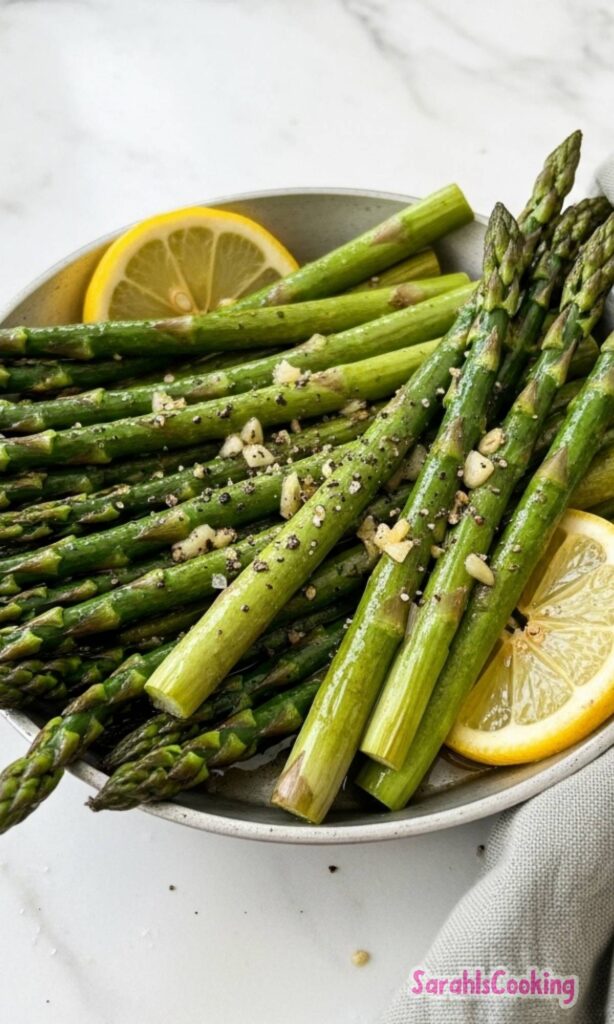
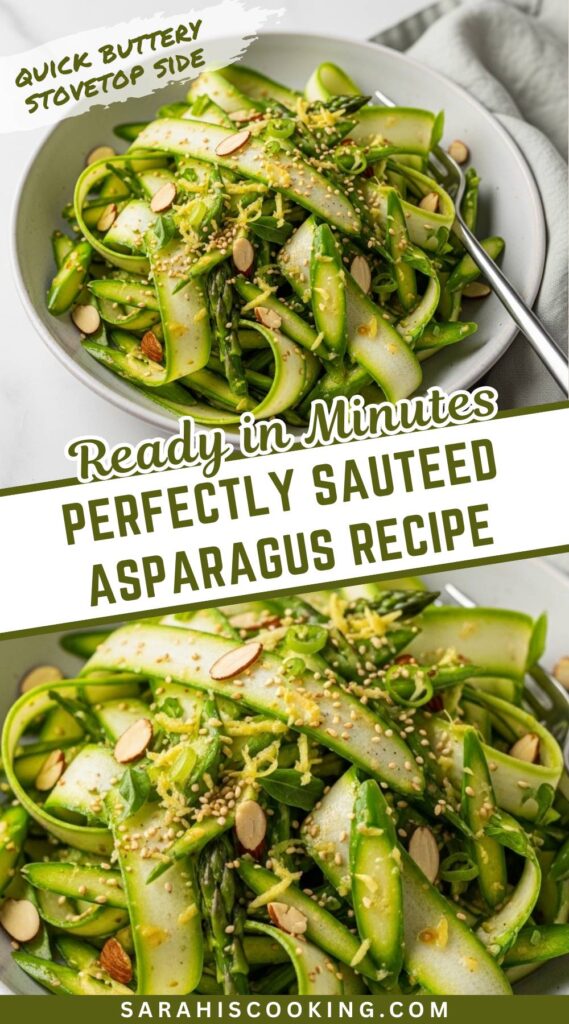
This sautéed asparagus is the kind of recipe that proves simple food can still be precise. It comes together quickly, yet every step is intentional so the texture stays crisp-tender instead of soft or limp.
I return to this method often because it is dependable. When cooked correctly, asparagus keeps its structure, its color stays vibrant, and a small amount of lemon sharpens everything without overpowering the vegetable.
The goal here is not to dress asparagus up. The goal is to cook it properly so its natural flavor actually comes through.
Who This Recipe Is For
This recipe is for home cooks who want vegetables that are cooked with care, not just heated until soft. If you value repeatable results and clear technique, this approach will feel comfortable.
It works well for beginners because the ingredient list is short, yet it also satisfies experienced cooks who understand that timing and heat control matter more than complexity.
If you have ever been disappointed by mushy asparagus, this method is designed to fix that problem.
Why This Recipe Works
Asparagus contains a high amount of water, so fast cooking over moderate heat is key. A sauté allows moisture to evaporate quickly while still softening the fibers, which keeps the spears tender without steaming them.
Cutting the asparagus into smaller pieces increases surface area. That means better contact with the pan, more even cooking, and subtle caramelization instead of uneven scorching.
Olive oil provides enough fat to conduct heat efficiently, while lemon juice added at the end preserves brightness. Adding acid too early would dull the color and slow softening.
The short cooking window, usually under six minutes, is what protects the structure. Once asparagus overcooks, there is no way to recover its texture.
Ingredients Needed for the Recipe
Asparagus - The central ingredient that provides structure, flavor, and texture. Medium or thin stalks cook evenly and avoid fibrous interiors.
Extra-virgin olive oil - Acts as the cooking medium, helping transfer heat while adding subtle richness that rounds out the vegetable’s grassy notes.
Sea salt - Draws out moisture and enhances the natural flavor without masking it. Proper seasoning ensures the asparagus tastes balanced rather than flat.
Freshly ground black pepper - Adds mild heat and contrast, giving the finished dish dimension without heaviness.
Fresh lemon juice - Introduces acidity at the end of cooking, which brightens the flavor and prevents the dish from tasting oily.
Ingredient Insights and Function
Choosing the right asparagus matters more than most people expect. Thinner stalks contain less lignin, the compound responsible for woody texture, so they become tender quickly without peeling.
If you only have thick asparagus, you can still use it, but expect longer cooking and slightly less delicate results. Splitting thicker stalks lengthwise helps them cook more evenly.
Olive oil should be flavorful but not overpowering. A neutral oil can be substituted, though you will lose the subtle fruitiness that complements the lemon.
Bottled lemon juice is not recommended because it lacks the aromatic oils found in fresh lemons. Those oils contribute much of the brightness that defines the finished dish.
Salt types can be adjusted, but finer salt distributes more evenly during quick cooking. Coarse salt may not dissolve in time and can lead to uneven seasoning.
How to make Sauteed Asparagus?
Step 1 - Prepare the Asparagus
Trim the woody ends where the stalk naturally snaps. This removes the fibrous portion that never softens during cooking.
Cut the remaining spears into 1-inch pieces so they cook at the same rate. Uniform size ensures you do not end up with both undercooked and overcooked pieces.
Step 2 - Heat the Pan Properly
Place a medium skillet over medium heat and add the olive oil. Allow the oil to warm before adding the asparagus so it immediately begins sautéing rather than absorbing oil.
The oil should look fluid and lightly shimmering, not smoking. Excess heat will blister the exterior before the interior softens.
Step 3 - Begin the Sauté
Add the asparagus along with the salt and pepper. Spread it into a single layer so each piece contacts the surface of the pan.
Stir frequently to prevent scorching while still allowing small areas of browning to develop. This balance builds flavor without overcooking.
Step 4 - Monitor Texture Closely
Cook for 3 to 6 minutes depending on thickness. The asparagus should turn bright green and feel just tender when pierced with a fork.
Avoid waiting until it feels completely soft. Residual heat continues cooking even after the pan is removed from the burner.
Step 5 - Finish with Lemon
Remove the skillet from heat before adding lemon juice. This protects the fresh citrus flavor and keeps the acidity from dulling the vegetable.
Toss gently to coat, taste, and adjust seasoning if needed. Serve immediately for the best texture and color.
How I Tested and Refined This Recipe
I tested this method with different pan temperatures first. High heat cooked too aggressively, causing wrinkled skins before the centers softened.
Lower heat created a steaming effect, which led to dull color and a watery finish. Medium heat consistently delivered the right balance of evaporation and tenderness.
I also experimented with adding lemon at the beginning of cooking. That version tasted flatter and the asparagus lost its vibrant green, confirming that acid must be added off heat.
Another variable was cutting size. Whole spears looked attractive but cooked unevenly, while smaller segments browned better and were easier to eat.
The final version reflects those adjustments. Every detail, from timing to sequencing, exists to preserve both flavor and structure.
Common Mistakes and How to Avoid Them
Overcrowding the pan - Causes steaming instead of sautéing, which leads to soft and watery asparagus.
Cooking on heat that is too high - Burns the exterior before the inside becomes tender.
Skipping the trimming step - Leaves tough, fibrous ends that ruin the final texture.
Adding lemon too early - Breaks down the color and interferes with proper sautéing.
Cooking too long - Even one extra minute can turn crisp-tender asparagus into limp vegetables.
Not stirring enough - Leads to uneven browning and patchy doneness.
Make-Ahead, Storage, and Freezing Guidance
This dish is best served immediately after cooking when the texture is at its peak. The longer it sits, the more the fibers relax and soften.
Leftovers can be stored in an airtight container in the refrigerator for up to two days. Expect slightly less firmness but still good flavor.
Reheat gently in a skillet or briefly in the microwave just until warmed through. Excess reheating will quickly overcook the asparagus.
Freezing is not recommended because the high water content causes the structure to collapse once thawed. The result becomes mushy rather than crisp-tender.
Tips
Choose asparagus with tightly closed tips for the freshest flavor.
Dry the asparagus thoroughly before cooking to prevent steaming.
Use a wide skillet to maximize surface contact.
Taste before serving and adjust salt at the end for accuracy.
Finish with lemon zest if you want stronger citrus aroma without extra acidity.
Serve immediately to capture the ideal texture window.
Ready in just 10 minutes, this sautéed asparagus recipe is the perfect spring side dish! Tender asparagus spears are cooked with olive oil, salt, and pepper, then finished with a bright squeeze of fresh lemon juice. Simple, fresh, and versatile—serve it alongside your favorite protein, toss it into pasta, or add it to grain bowls and frittatas.
ingredients
2tablespoons extra-virgin olive oil
1pound asparagus (woody ends trimmed, chopped into 1-inch pieces)
¼teaspoon sea salt
freshly ground black pepper (to taste)
1teaspoon fresh lemon juice
Instructions
1
Heat the olive oil in a medium skillet over medium heat.
2
Add the asparagus, salt, and several grinds of pepper. Sauté, stirring often, for 3 to 6 minutes, or until the asparagus is bright green and tender-crisp.
Timing depends on the thickness of your spears—thin spears cook faster, thick spears may need the full 6 minutes.
3
Remove from the heat and toss with the fresh lemon juice.
4
Season to taste with additional salt and pepper if needed, then serve immediately.
Nutrition Facts
Servings 4
Serving Size 1/4 of recipe
Amount Per Serving
Calories83kcal
% Daily Value *
Total Fat7gg11%
Saturated Fat1gg5%
Trans Fat0gg
Cholesterol0mgmg0%
Sodium150mgmg7%
Potassium100mgmg3%
Total Carbohydrate5gg2%
Dietary Fiber2gg8%
Sugars1gg
Protein3gg6%
Calcium 20mg mg
Iron 1mg mg
* Percent Daily Values are based on a 2,000 calorie diet. Your daily value may be higher or lower depending on your calorie needs.
Note
Choose the right spears: Medium or thin asparagus works best for sautéing. Save extra-thick spears for roasting or grilling.
Add garlic: For extra flavor, sauté 1–2 cloves of minced garlic with the asparagus during the last 1–2 minutes of cooking.
Make it richer: Finish with a pat of butter, a drizzle of lemon butter sauce, or a sprinkle of Parmesan cheese.
Storage tip: Leftovers keep well for up to 2 days in an airtight container in the fridge. Enjoy cold, at room temperature, or gently reheated.
Keywords:
sauteed asparagus, easy asparagus recipe, spring side dish, lemon asparagus, quick vegetable recipe, healthy side dish
Pin this recipe to share with your friends and followers.
Sarah
Food and Lifestyle Blogger
Hi, I’m Sarah, a home cook and baker who believes that good food doesn’t need to be complicated to be meaningful. This blog is where I share approachable, dependable recipes made with care — the kind of dishes you can come back to again and again.