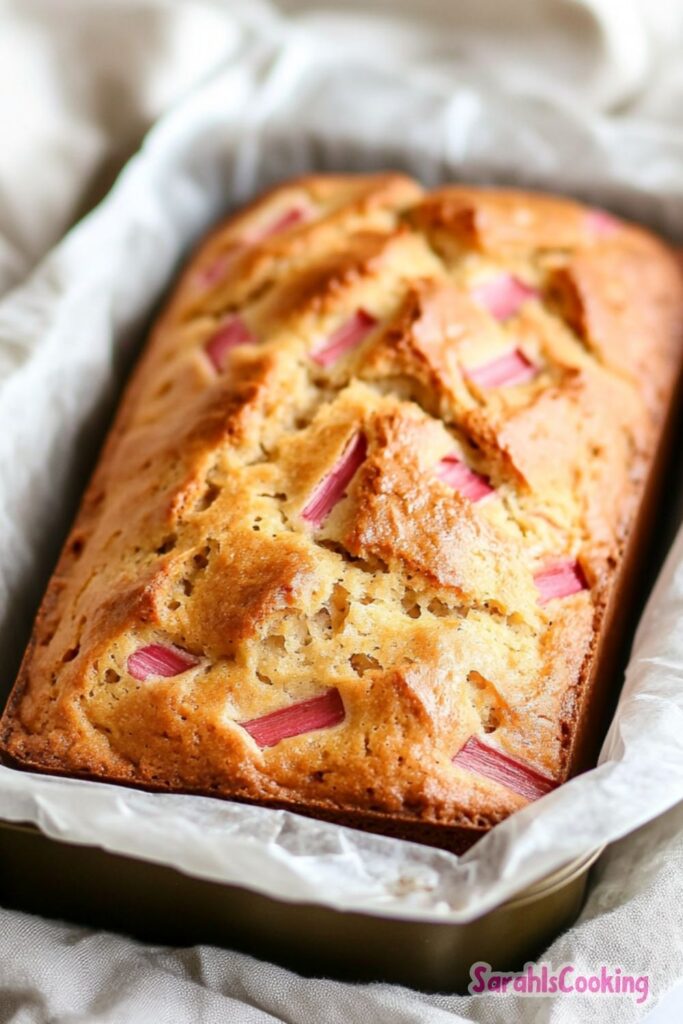
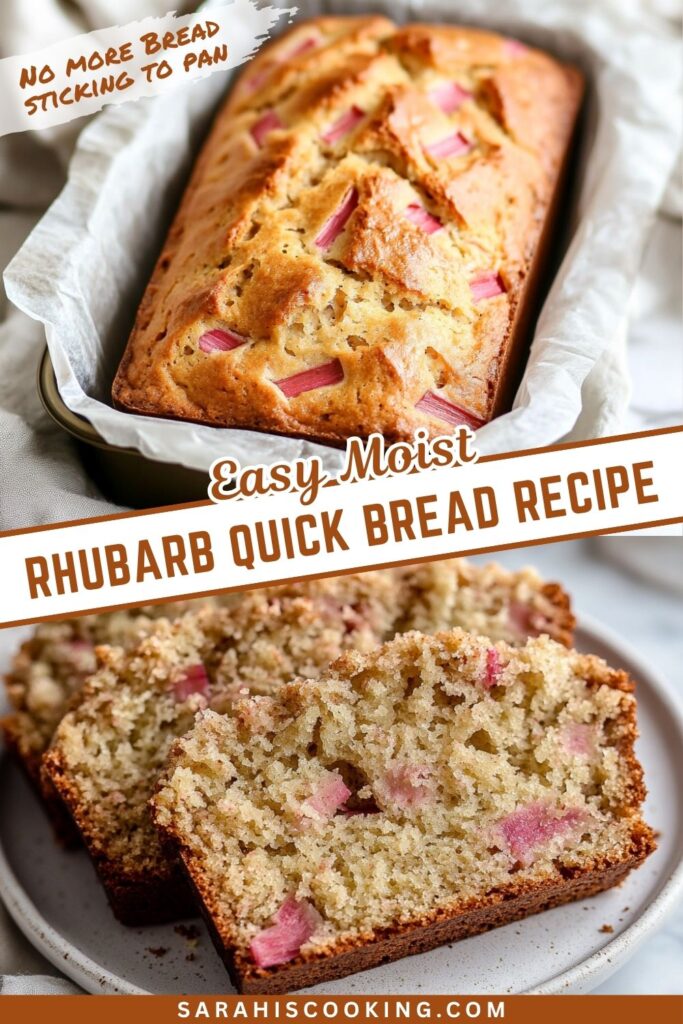
Rhubarb quick bread with orange zest, tender crumb, and crisp top. A reliable, buttery loaf with balanced sweetness and tartness in every slice.
This Rhubarb Quick Bread Recipe is built for consistency. It delivers a soft, buttery crumb with just enough structure to hold juicy pockets of rhubarb without collapsing.
I approach quick breads with the same precision I use in baking for others. Ratios, mixing order, and bake time are all intentional here, so the result is repeatable, not guesswork.
The balance matters. Rhubarb brings sharp acidity, and the batter is designed to round that out without masking it. The orange zest quietly ties everything together.
Ingredients Needed for the Recipe
Unsalted butter - Provides fat for tenderness and richness while helping create a moist crumb structure.
Granulated sugar - Sweetens the batter and supports browning and crust formation on top.
Orange zest - Adds aromatic oils that enhance the rhubarb without adding extra liquid.
Whole-milk yogurt - Contributes moisture and acidity, which activates leavening and softens the crumb.
Eggs - Bind the batter and create structure while also adding richness.
All-purpose flour - Forms the backbone of the loaf, providing structure and stability.
Baking powder - Gives lift and helps create a lighter texture in the finished bread.
Baking soda - Reacts with yogurt to provide additional rise and improve crumb softness.
Kosher salt - Balances sweetness and sharpens the overall flavor profile.
Rhubarb - Adds tartness and moisture pockets, which define the character of the loaf.
How to make Rhubarb Bread?
Step 1 - Prepare the Oven and Pan
Preheat the oven to 350°F. This temperature is steady enough to cook the center without over-browning the edges.
Butter and flour an 8½-by-4½-inch loaf pan. Make sure every corner is coated to prevent sticking and tearing during release.
Step 2 - Build the Wet Base
In a large bowl, whisk together melted butter, sugar, orange zest, and yogurt. The mixture should look smooth and slightly thick.
Whisk in the eggs until fully incorporated. You should see a cohesive batter with a slight sheen, not separated streaks.
Step 3 - Combine the Dry Ingredients
In a separate bowl, whisk flour, baking powder, baking soda, and salt. This ensures even distribution of leavening.
Do not skip this step. Uneven mixing here can lead to dense spots or uneven rise in the loaf.
Step 4 - Bring the Batter Together
Add the dry ingredients to the wet mixture and fold gently. Stop once no dry flour remains.
Fold in about 1½ cups of chopped rhubarb. The batter will be thick, which is expected and helps suspend the fruit evenly.
Step 5 - Transfer and Top
Pour the batter into the prepared pan and smooth the top. Spread it evenly into the corners for uniform baking.
Scatter the remaining rhubarb on top and sprinkle with sugar. This creates a lightly crisp, sweet surface.
Step 6 - Bake with Attention
Bake for 55 to 60 minutes. The top should be golden brown and slightly firm to the touch.
Insert a skewer into the center. It should come out with moist crumbs, not wet batter.
Step 7 - Cool Properly
Let the loaf cool in the pan for 10 minutes. This allows the structure to set before removal.
Turn it out carefully and cool completely on a rack. Cutting too early will compress the crumb.
Why This Recipe Works
The ratio of fat to flour is deliberate. Melted butter creates a tender crumb, while yogurt balances moisture without making the loaf heavy.
Using both baking powder and baking soda gives a controlled rise. The soda reacts with yogurt immediately, while the powder continues lifting in the oven.
The batter is intentionally thick. This prevents the rhubarb from sinking and ensures even distribution throughout the loaf.
Adding sugar and rhubarb on top is not decorative. It creates a slight crust that contrasts with the soft interior and adds texture to each slice.
How I Tested and Refined This Recipe
I started with a standard quick bread ratio but found it too dense once the rhubarb released moisture. The loaf needed more lift without becoming dry.
Adjusting the yogurt quantity was key. Too little made the crumb tight, while too much caused collapse in the center during cooling.
I also tested different rhubarb sizes. Larger chunks created uneven pockets, so cutting into small, uniform pieces gave a better structure.
One version skipped the topping sugar, and the result felt flat. Adding it back brought contrast and improved the overall eating experience.
Final adjustments focused on bake time. Pulling the loaf slightly earlier, when crumbs are still moist, prevents overbaking as it continues to set while cooling.
Common Mistakes and How to Avoid Them
Overmixing the batter - Leads to a tough, dense crumb instead of a tender texture.
Underbaking the center - Causes a gummy interior that collapses after cooling.
Skipping pan preparation - Results in sticking and tearing when removing the loaf.
Using large rhubarb chunks - Creates uneven moisture pockets and weak structure.
Incorrect oven temperature - Too hot burns the outside before the center sets.
Cutting too soon - Compresses the crumb and releases excess steam.
Make-Ahead, Storage, and Freezing Guidance
This bread keeps well at room temperature for up to 2 days. Store it tightly wrapped to prevent it from drying out.
By day three, the texture becomes slightly denser but still pleasant when toasted. A light reheating brings back softness.
For longer storage, wrap slices individually and freeze. This preserves both moisture and flavor without noticeable loss in quality.
To reheat, warm slices in a skillet or oven. Avoid microwaving, as it can make the crumb rubbery.
Tips
Use room temperature eggs for smoother batter incorporation.
Do not skip zest. It balances the sharpness of rhubarb.
Check the loaf at 55 minutes to avoid overbaking.
Let the loaf cool completely before slicing for clean cuts.
This Rhubarb Quick Bread is a delightful celebration of spring, featuring tender chunks of tart rhubarb balanced by sweet orange zest and a buttery crumb. Perfect for breakfast or an afternoon treat, this loaf is moist, flavorful, and easy to make. The optional orange glaze adds a bright finish, while the remaining sugar topping creates a subtle crunch. It’s a wonderful way to use up fresh rhubarb and brings a lovely floral-citrus note that pairs beautifully with coffee or tea.
Ingredients
For the Batter
8tablespoons unsalted butter, melted (113g (1 stick), plus more for pan)
1cup granulated sugar (200g, divided)
1tablespoon freshly grated orange zest
⅓cup whole-milk yogurt
2large eggs
1¾cups all-purpose flour (223g, plus more for pan)
Prepare Oven and PanHeat the oven to 350°F (175°C). Generously butter and flour an 8½-inch-by-4½-inch loaf pan, tapping out any excess flour.
2
Mix Wet IngredientsIn a large bowl, whisk together the melted butter, 1 cup of the granulated sugar, orange zest, and yogurt until well combined and smooth. Whisk in the eggs one at a time until fully incorporated.
3
Combine Dry IngredientsIn a separate medium bowl, whisk together the flour, baking powder, baking soda, and salt.
4
Fold and AssembleAdd the flour mixture and 1½ cups of the chopped rhubarb to the butter mixture. Gently fold until just combined; do not overmix. Transfer the batter to the prepared pan and smooth out the top.
5
Top and BakeSprinkle the top with the remaining ¼ cup rhubarb and the remaining 2 tablespoons of sugar. Bake until the loaf is golden brown and set, and a skewer inserted in the center comes out with moist crumbs attached, 55 to 60 minutes.
6
Cool and ServeTransfer the pan to a rack to cool for 10 minutes. Cut around the edges and carefully flip the loaf out of the pan. Turn it right side up and let it cool completely before slicing. If using glaze, whisk confectioners’ sugar and orange juice until smooth and drizzle over the cooled loaf.
Nutrition Facts
Servings 8
Serving Size 1 slice
Amount Per Serving
Calories343kcal
% Daily Value *
Total Fat13g20%
Saturated Fat8g40%
Cholesterol65mg22%
Sodium268mg12%
Potassium120mg4%
Total Carbohydrate52g18%
Dietary Fiber1g4%
Sugars29g
Protein5g10%
* Percent Daily Values are based on a 2,000 calorie diet. Your daily value may be higher or lower depending on your calorie needs.
Note
Leftovers are delicious toasted in a skillet with salty butter. Store covered at room temperature for up to 3 days.
Pin this recipe to share with your friends and followers.
Sarah
Food and Lifestyle Blogger
Hi, I’m Sarah, a home cook and baker who believes that good food doesn’t need to be complicated to be meaningful. This blog is where I share approachable, dependable recipes made with care — the kind of dishes you can come back to again and again.