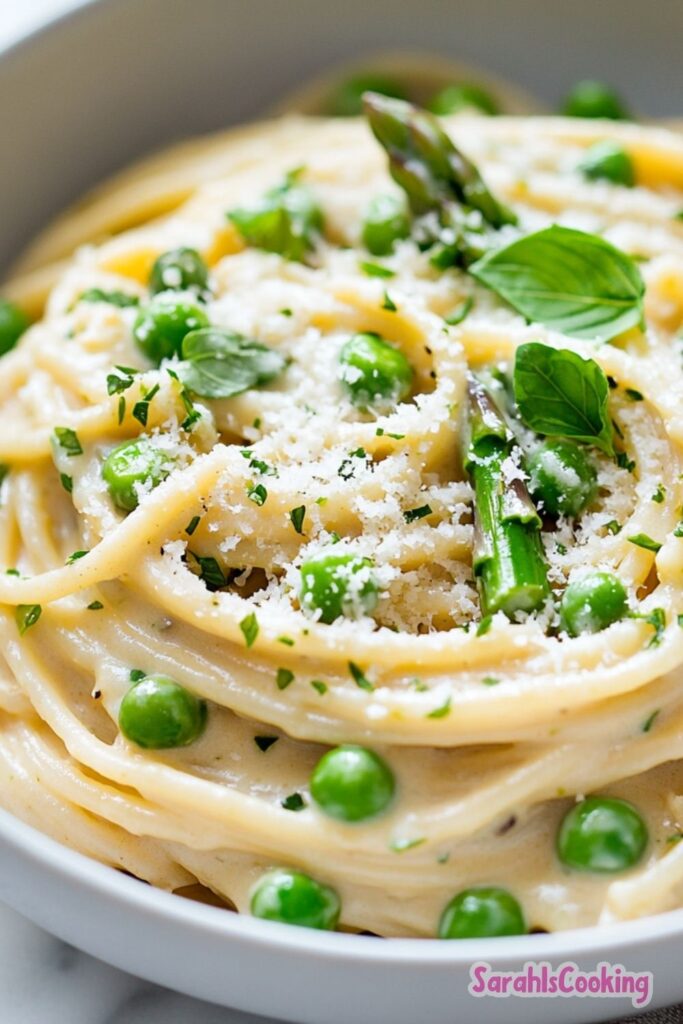
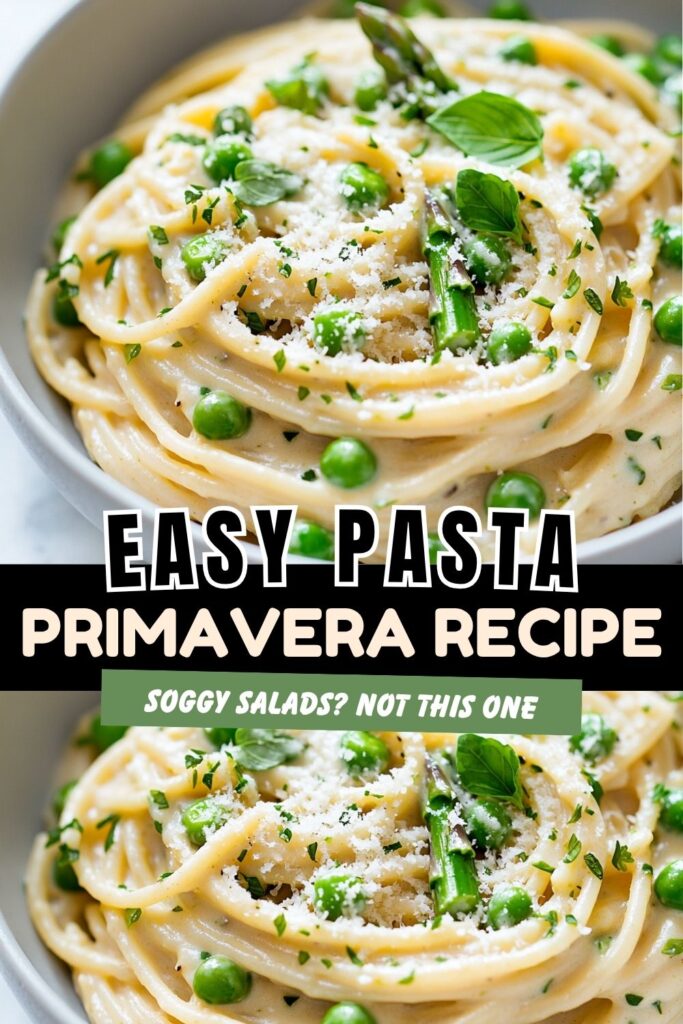
Pasta primavera recipe that’s fresh, creamy, and easy to follow. Learn a reliable method for perfectly cooked vegetables and silky pasta every time.
This pasta primavera is built to be dependable. The vegetables stay vibrant, the sauce stays smooth, and the pasta holds its texture without turning heavy.
I approach this recipe with a balance of precision and flexibility. The method is simple, but each step is intentional so you get consistent results every time.
You’ll end up with a light, creamy pasta that highlights seasonal greens without masking them. It’s clean, structured cooking that still feels relaxed.
Ingredients Needed for the Recipe
Young broad beans - add soft texture and mild sweetness, helping balance the sharper greens.
Asparagus tips - provide structure and slight bite, keeping the dish from feeling too soft.
Peas - bring sweetness and color while filling out the vegetable base.
Spaghetti or tagliatelle - acts as the foundation, holding the sauce evenly across strands.
Baby leeks - create a gentle aromatic base without overpowering the vegetables.
Olive oil - helps carry flavor and prevents sticking during cooking.
Butter - adds richness and rounds out the lighter dairy component.
Fromage frais or crème fraîche - forms a light, tangy sauce that stays stable when heated gently.
Fresh herbs (mint, parsley, chives) - add brightness and finish the dish with layered freshness.
Parmesan or vegetarian alternative - provides salt and depth, tying the whole dish together.
How to make Pasta Primavera?
Step 1 - Prepare and Steam the Vegetables
Bring a pot of salted water to a steady boil and place a steamer or colander over it. Add the beans, asparagus, and peas, steaming until just tender but still bright.
This step is about control. The vegetables should soften without losing structure, so pull them as soon as they give slight resistance when pressed.
Step 2 - Cook the Pasta
In the same boiling water, cook the pasta according to package instructions until al dente. Taste a strand near the end to confirm it still has a slight bite.
Reserve a small amount of pasta water before draining. That starchy liquid will help adjust the sauce later without thinning it too much.
Step 3 - Build the Flavor Base
In a wide pan, heat olive oil and butter over medium-low heat. Add the sliced leeks and cook gently until soft and slightly glossy.
Avoid browning here. You want the leeks to melt into the base, not crisp or caramelize, which would shift the flavor too far.
Step 4 - Create the Sauce
Lower the heat and stir in the fromage frais. Keep the temperature gentle and stir continuously to prevent splitting.
Add a splash of reserved pasta water to loosen the mixture. The sauce should look smooth and lightly creamy, not thick or curdled.
Step 5 - Combine Vegetables and Herbs
Add the steamed vegetables and chopped herbs into the sauce. Toss gently to coat everything evenly.
This is where the dish comes together visually. The vegetables should stay intact, not break down or lose their shape.
Step 6 - Finish with Pasta
Add the drained pasta directly into the pan and toss until fully coated. Adjust consistency with a bit more pasta water if needed.
Serve immediately with shaved cheese and a drizzle of olive oil. The final texture should feel light, not heavy or sticky.
Why This Recipe Works
This recipe relies on controlled moisture and gentle heat. Steaming the vegetables keeps their structure intact while preventing excess water from diluting the sauce.
The combination of butter and fromage frais creates a balanced richness. It coats the pasta without becoming overly dense or greasy.
Using pasta water is a structural decision. It binds the sauce to the pasta through starch, creating a cohesive finish rather than a separated one.
How I Tested and Refined This Recipe
I tested this recipe with both boiling and steaming the vegetables. Boiling led to softer textures and diluted flavor, so steaming became the consistent choice.
Early versions used higher heat for the sauce, which caused splitting. Lowering the temperature and stirring continuously solved that issue completely.
I also experimented with heavier creams, but they masked the freshness of the vegetables. Fromage frais kept the dish lighter and more balanced.
Adjusting the ratio of pasta water was key. Too little made the sauce cling unevenly, while too much thinned it out. The final method uses small additions for control.
Common Mistakes and How to Avoid Them
Overcooking vegetables - leads to mushy texture. Steam just until tender with slight firmness.
Cooking sauce on high heat - causes splitting. Always keep heat low when adding dairy.
Skipping pasta water - results in dry or uneven coating. Always reserve a small amount.
Overcrowding the pan - prevents even mixing. Use a wide pan for proper tossing.
Undersalting the water - affects overall flavor. Pasta water should taste lightly salty.
Adding cheese too early - can clump in the sauce. Add only at the end when serving.
Make-Ahead, Storage, and Freezing Guidance
This dish is best served fresh, but leftovers can be stored in the refrigerator for up to two days. The texture will soften slightly as it sits.
When reheating, use low heat and add a splash of water or milk to loosen the sauce. Stir gently to restore the original consistency.
Freezing is not recommended. The dairy-based sauce tends to separate after thawing, which affects both texture and flavor.
Tips
Cut vegetables evenly for consistent cooking.
Use fresh herbs at the end for maximum flavor impact.
Keep heat low when working with dairy to maintain smoothness.
Toss pasta in the pan, not in a bowl, for better coating.
Serve immediately for the best texture and flavor balance.
Celebrate the arrival of spring with this vibrant and healthy Pasta Primavera. This dish features tender spaghetti tossed with fresh seasonal greens like broad beans, asparagus, and peas in a light, creamy sauce made with fromage frais and baby leeks. It's a quick, easy, and nutritious meal that highlights the best of spring produce.
Ingredients
Vegetables & Pasta
75g young broad beans (fresh or frozen)
200g asparagus tips (trimmed and cut into pieces)
170g peas (fresh or frozen)
350g spaghetti (or tagliatelle)
175g baby leeks (trimmed and sliced)
Sauce & Seasoning
1tbsp olive oil (plus extra for serving)
1tbsp butter
200ml fromage frais (or crème fraîche)
1handful fresh chopped herbs (mint, parsley, and chives recommended)
Salt and black pepper (to taste)
Parmesan cheese (shaved, to serve (or vegetarian alternative))
Instructions
1
Prepare the VegetablesBring a large pan of salted water to a boil. Place a steamer basket or colander over the boiling water. Add the broad beans, asparagus, and peas to the steamer. Steam for 3-5 minutes until just tender but still bright green. Remove from heat and set aside.
Do not overcook the vegetables; they should retain a slight crunch.
2
Cook the PastaAdd the spaghetti to the boiling water (you can use the same water from steaming if you prefer). Cook according to package instructions until al dente. Reserve about 1/2 cup of pasta cooking water before draining.
3
Make the SauceWhile the pasta cooks, heat the olive oil and butter in a large skillet or deep frying pan over medium-low heat. Add the sliced baby leeks and fry gently for 5 minutes until soft and translucent, ensuring they do not brown.
4
Combine IngredientsReduce the heat to low. Stir in the fromage frais (or crème fraîche) and warm through gently, stirring constantly to prevent splitting. Add the steamed vegetables and the chopped fresh herbs to the pan. If the sauce is too thick, add a splash of the reserved pasta water to loosen it.
5
ServeDrain the cooked pasta and add it directly to the skillet with the sauce and vegetables. Toss well to coat everything evenly. Season with salt and pepper to taste. Serve immediately, scattered with shaved Parmesan cheese and a drizzle of extra olive oil.
Nutrition Facts
Servings 4
Serving Size 1 plate
Amount Per Serving
Calories476kcal
% Daily Value *
Total Fat9g14%
Saturated Fat3g15%
Cholesterol15mg5%
Sodium200mg9%
Potassium450mg13%
Total Carbohydrate74g25%
Dietary Fiber9g36%
Sugars6g
Protein20g40%
* Percent Daily Values are based on a 2,000 calorie diet. Your daily value may be higher or lower depending on your calorie needs.
Note
For a vegan option, substitute the butter with olive oil and the fromage frais with a plant-based yogurt or cream alternative. Ensure the Parmesan is vegetarian if required.
Keywords:
pasta primavera, spring pasta, vegetarian pasta, healthy dinner, broad bean recipe, asparagus pasta
Pin this recipe to share with your friends and followers.
Sarah
Food and Lifestyle Blogger
Hi, I’m Sarah, a home cook and baker who believes that good food doesn’t need to be complicated to be meaningful. This blog is where I share approachable, dependable recipes made with care — the kind of dishes you can come back to again and again.