
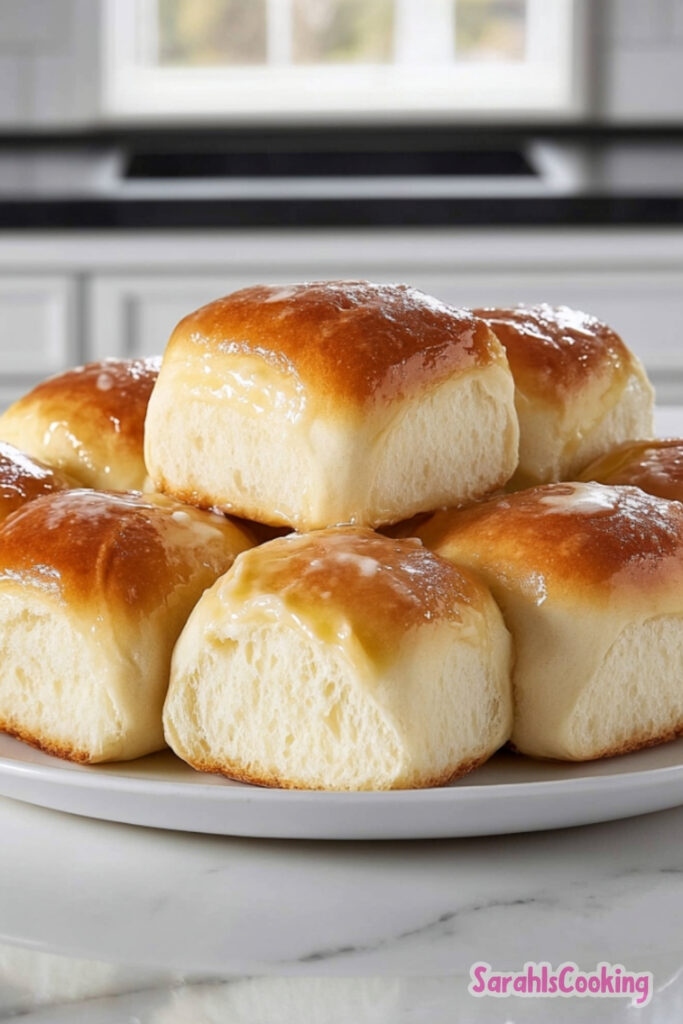
Parker House rolls are one of those classic breads that look elegant on the table but rely on surprisingly straightforward techniques. The defining folded shape creates a soft interior with lightly crisp edges and buttery layers that separate gently when pulled apart.
I value recipes that behave consistently from batch to batch, and these rolls are designed with that goal in mind. The dough is intentionally firm, the shaping has a purpose, and every step contributes to the final texture.
When handled correctly, the result is a tender dinner roll with a delicate crust and a rich buttery finish. They work just as well beside a bowl of soup as they do on a holiday table.
While they look distinctive, the method is very manageable once you understand what the dough should feel like. With a bit of attention to shaping and proofing, the process becomes pleasantly predictable.
Who This Recipe Is For
This recipe is ideal for home cooks who enjoy baking bread but want something reliable rather than experimental. If you appreciate clear instructions and dependable outcomes, these rolls fit that approach well.
They suit beginner bakers who have already made simple yeasted doughs, but the method also appeals to more experienced bakers who enjoy shaping traditional rolls. The steps are precise without being complicated.
If you are preparing a dinner gathering, holiday meal, or weekend breakfast spread, Parker House rolls offer a polished result without requiring advanced bread techniques.
The dough does require patience for proofing, but the hands-on work is quite manageable. Once you understand the shaping method, the process becomes almost rhythmic.
Why This Recipe Works
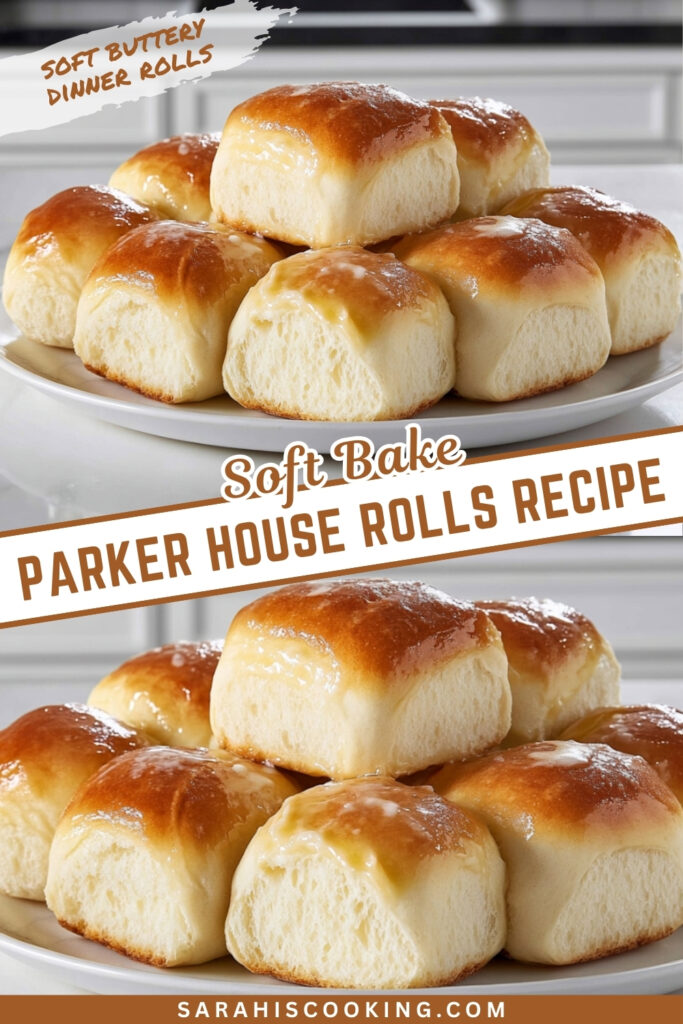
The structure of Parker House rolls depends on a dough that is slightly firmer than many enriched breads. That firmness helps the rolls maintain their folded shape during the second rise and in the oven.
The balance of flour, milk, egg, and butter produces a dough that is soft but structured. Milk contributes tenderness, the egg strengthens the crumb, and butter adds richness without weakening the dough.
Another key element is how the butter is used. Only a portion goes into the dough itself, while most of it is brushed onto the rolls before and after baking. This approach creates layers of flavor and a delicate exterior.
The shaping technique also serves a purpose. Creating a trench across each round allows the dough to fold cleanly while forming that recognizable lip along the edge.
The final bake at a relatively high temperature allows the exterior to set quickly while the interior remains soft. This contrast is part of what makes these rolls so satisfying.
Ingredients Needed for the Recipe
- Strong white flour – Provides the gluten structure that allows the dough to hold its shape and rise properly during proofing.
- Caster sugar – Adds mild sweetness and supports yeast activity during fermentation.
- Salt – Balances flavor and strengthens the gluten network for better dough stability.
- Fresh yeast or fast-action yeast – The leavening agent that produces the rise and light crumb structure.
- Egg – Adds richness while improving the dough’s structure and elasticity.
- Butter – Contributes flavor and tenderness while also creating the characteristic buttery finish when brushed on the rolls.
- Warm milk – Hydrates the flour and enriches the dough, creating a softer crumb than water alone would provide.
Ingredient Insights and Function
Strong white flour is essential here because the dough must remain structured during shaping. Lower protein flour can make the dough too delicate, which increases the chance of rolls opening during baking.
Milk plays a larger role than simply hydrating the flour. Its natural sugars assist browning while the fats contribute to tenderness. Using whole milk typically gives the best result.
The egg improves elasticity and helps the rolls maintain their folded form. Without it, the crumb tends to feel slightly drier and less cohesive.
Butter appears in two roles in this recipe. A small portion enriches the dough itself, while the rest coats the surface. That exterior butter melts into the crust and creates the signature flavor.
If you substitute instant yeast for fresh yeast, the quantity must be reduced because it is more concentrated. The fermentation speed will also change slightly, so proofing times may need adjustment.
Swapping milk for water will technically work but noticeably reduces richness. The crumb becomes more bread-like rather than soft and tender.
How to make Parker House Rolls?
Step 1 – Mix the Dough
Combine the flour, sugar, salt, yeast, egg, and a portion of the melted butter in a large bowl or stand mixer. Gradually add the warm milk and mix until a rough dough forms.
The dough will initially look slightly dry and firm, which is intentional. This consistency helps the rolls keep their shape later during shaping and baking.
Step 2 – Knead Until Smooth
Knead the dough for about fifteen minutes until it becomes smooth and elastic. A stand mixer with a dough hook works well, but finishing the kneading by hand often improves the final texture.
The dough should feel firm yet pliable. If it appears too dry, add a small amount of warm water, but do so gradually to avoid softening it too much.
Step 3 – First Rise
Place the dough in a bowl, cover it, and let it rise in a warm spot for about ninety minutes. It should roughly double in size during this time.
Temperature matters here. A slightly warm kitchen encourages steady fermentation without making the dough overly soft.
Step 4 – Roll Out the Dough
Transfer the risen dough onto a lightly floured surface and roll it to roughly one centimeter thickness. Try to keep the thickness even so the rolls bake consistently.
A uniform sheet of dough ensures each roll rises at the same rate. Uneven thickness often leads to irregular baking.
Step 5 – Cut the Rounds
Use a pastry cutter to cut circles about 7.5 to 8 centimeters wide. Lift each round carefully to maintain the smooth surface created during rolling.
The scraps can be gathered and used again, though they will not be quite as neat. The dough becomes firmer each time it is reworked.
Step 6 – Form the Signature Fold
Create a shallow trench across the center of each round using a small rolling pin or the side of a utensil. This indentation helps guide the fold.
Brush the center with melted butter, then lightly brush one edge with water. Fold the dough over so the top overlaps the bottom slightly.
Step 7 – Seal and Arrange
Press the edge gently so the fold holds its shape. Place the rolls on a parchment-lined baking sheet with enough space for expansion.
Brush the tops with melted butter and cover loosely with plastic wrap. The rolls now need a second rise.
Step 8 – Second Proof
Allow the rolls to rise for thirty to sixty minutes until they appear slightly puffy. Some may try to open during this stage.
If that happens, simply press the fold closed again before baking. A few stubborn rolls may still open in the oven, which is completely normal.
Step 9 – Bake
Preheat the oven to 200°C or 400°F. Bake the rolls for about fifteen minutes until they develop a light golden color.
The tops should feel lightly crisp while the interior remains soft and airy. Avoid overbaking, as it can dry out the crumb.
Step 10 – Finish with Butter
While the rolls are still hot, brush them generously with the remaining melted butter. This step creates the glossy finish and signature flavor.
Transfer the rolls to a wire rack to cool slightly before serving. The interior texture continues to settle during this short rest.
How I Tested and Refined This Recipe
Developing a reliable version of Parker House rolls required several adjustments to the dough consistency and shaping technique. Early batches used a softer dough, which produced excellent flavor but failed to maintain the folded shape.
The rolls would rise beautifully but unfold during baking. This confirmed that the dough needed more structure rather than more enrichment.
I increased the firmness of the dough slightly by adjusting hydration and extending the kneading time. The difference was immediate. The rolls held their shape far better during proofing.
Another adjustment involved how the butter was applied. Initially I added more butter directly into the dough, but that weakened the structure. Moving most of the butter to the exterior produced better layering and flavor.
The trench shaping technique also required experimentation. A deeper indentation made the fold easier but sometimes caused the dough to tear. A gentle valley created with a rolling pin proved to be the most consistent approach.
After several batches, the final method delivered rolls that stayed folded more reliably while still baking up soft and rich.
Common Mistakes and How to Avoid Them
- Using dough that is too soft, which prevents the rolls from holding their folded shape.
- Underkneading the dough, resulting in weak gluten structure and uneven rising.
- Adding too much flour during rolling, which can toughen the final crumb.
- Allowing the rolls to overproof during the second rise, causing them to collapse or open.
- Baking at a temperature that is too low, which leads to pale rolls with dense interiors.
- Skipping the final butter brushing, which removes an important layer of flavor.
Make-Ahead, Storage, and Freezing Guidance
Parker House rolls are best served the same day they are baked. Their texture is at its peak while the crumb is still soft and slightly warm.
If you need to store them, keep the rolls in an airtight container at room temperature for up to two days. Reheat briefly in a warm oven to restore softness.
The dough can also be prepared ahead and refrigerated after the first rise. Allow it to come back to room temperature before rolling and shaping.
Baked rolls freeze surprisingly well. Once cooled completely, place them in a sealed freezer bag and freeze for up to two months.
To reheat, warm the frozen rolls in a 170°C oven until heated through. A light brush of melted butter after reheating restores their fresh-baked flavor.
Tips
- Keep the dough slightly firm for easier shaping and better structure.
- Use warm milk rather than hot milk to avoid harming the yeast.
- Roll the dough evenly so all rolls bake at the same rate.
- Press the folded edge firmly so the rolls stay closed during proofing.
- If scraps are reused, expect slightly uneven shapes but equally good flavor.
- Serve the rolls slightly warm for the best texture and aroma.

Parker House Rolls Recipe
Description
These iconic Parker House rolls are soft, buttery, and folded into a charming Pacman-like shape that's as delightful to look at as it is to eat. Created at Boston's historic Parker House Hotel in the 19th century, these dinner rolls feature a crusty-crisp exterior and a pillowy, milky interior. Perfect for holiday tables, Sunday dinners, or anytime you want to elevate your bread game. Brushed with melted butter before and after baking, they're irresistible warm from the oven.
ingredients
Instructions
Make the dough
Place the flour, sugar, salt, yeast, egg, and 25g of the melted butter in a large bowl or stand mixer. Stir in the warm milk until a shaggy dough forms.If dough seems too dry, add 1 tbsp warm water at a timeKnead and first rise
Knead by hand or with a dough hook for about 15 minutes until smooth and elastic. The dough will be firm. Cover and leave in a warm place to prove for at least 1½ hours, or until doubled in volume.Dough is ready when a finger pressed in leaves an indent that doesn't spring backShape the rolls
Turn dough onto a floured surface and roll out to about 1cm thickness. Cut rounds with a 7.5–8cm pastry cutter. Use a mini rolling pin or chopstick to press a shallow valley across the center of each disc.Re-roll scraps carefully if needed, though secondary batch may be less uniformFold and seal
Brush the middle of each round with melted butter. Lightly brush the edge with water, then fold each roll in half so the top overlaps the bottom. Press firmly to seal the edge.Water helps the seal hold during rising and bakingSecond rise
Place rolls on a parchment-lined baking sheet, brush tops with more melted butter, cover loosely with plastic wrap, and let rise in a warm place for 30 minutes to 1 hour until well puffed.If any rolls open during rising, gently press them closed before bakingBake
Preheat oven to 200°C (400°F/gas 6). Bake rolls for 15 minutes until golden brown. Some may open slightly during baking—that's part of their character!Rotate tray halfway through for even browningFinish and serve
Immediately brush the hot rolls with the remaining melted butter. Transfer to a wire rack to cool slightly. Serve warm for best texture and flavor.Best enjoyed the day they're baked
Nutrition Facts
Servings 12
Serving Size 1 roll
- Amount Per Serving
- Calories 200kcal
- % Daily Value *
- Total Fat 6.5gg10%
- Saturated Fat 4gg20%
- Trans Fat 0gg
- Cholesterol 25mgmg9%
- Sodium 300mgmg13%
- Potassium 45mgmg2%
- Total Carbohydrate 30gg10%
- Dietary Fiber 1gg4%
- Sugars 2gg
- Protein 5gg10%
- Calcium 25mg mg
- Iron 1.8mg mg
* Percent Daily Values are based on a 2,000 calorie diet. Your daily value may be higher or lower depending on your calorie needs.
Note
- Make ahead: After shaping, freeze rolls on a tray, then transfer to a bag. Bake from frozen, adding 3–5 minutes to bake time.
- Keep them soft: Store cooled rolls in an airtight container at room temperature for up to 2 days, or freeze for up to 1 month.
- Reheat tip: Warm in a 150°C (300°F) oven for 5–7 minutes, or microwave briefly with a damp paper towel.
- Variation: Add 1 tsp dried herbs (rosemary, thyme) or garlic powder to the dough for savory rolls.