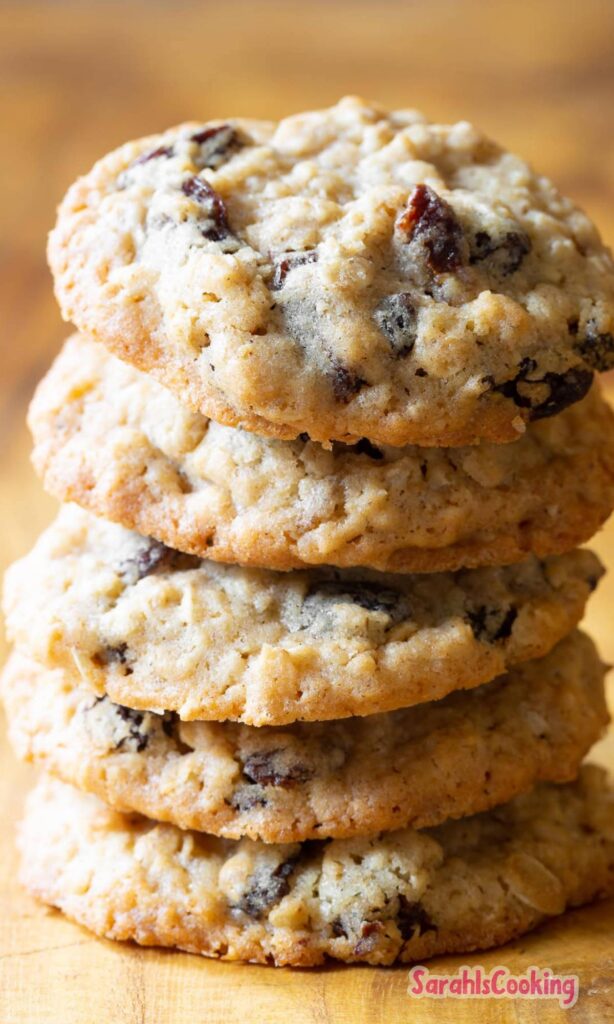
There’s something deeply comforting about a warm oatmeal raisin cookie, the kind that hugs you from the inside out with soft oats, chewy raisins, and that subtle hint of cinnamon.
I’ve baked these cookies countless times, testing every tweak to get them perfectly soft, slightly chewy on the outside, and irresistibly flavorful. They’re not just cookies; they’re little bites of nostalgia, reminding you of cozy kitchens, baking afternoons, and sweet aromas that linger in the air.
Today, I’m thrilled to finally share my ultimate oatmeal raisin cookie recipe with you.
Ingredients Needed for the Recipe
- 125 g unsalted butter - provides richness and keeps the cookies soft.
- 100 g light brown sugar - adds a subtle caramel flavor and moisture.
- 75 g white granulated sugar - balances the sweetness and contributes to the cookie’s structure.
- 1 medium egg - binds everything together and adds moisture.
- 1 tsp vanilla (optional!) - adds warmth and depth to the flavor.
- 1 tsp ground cinnamon (optional!) - gives that classic oatmeal raisin aroma and subtle spice.
- 150 g plain flour - forms the base and gives the cookie structure.
- 150 g rolled oats - the heart of the cookie, offering chewiness and texture.
- 1 tsp baking powder - helps the cookie rise slightly.
- 1/2 tsp bicarbonate of soda - ensures lightness and softness.
- 1/2 tsp sea salt - enhances all the other flavors.
- 200 g raisins - the sweet, chewy surprise in every bite. Can be swapped with dried cranberries or sultanas if preferred.
Choosing the Right Ingredients
The Butter Debate
Butter is non-negotiable in cookies, but the type you use can make a subtle difference. Unsalted butter is ideal, as it lets you control the salt content, but if you only have salted, reduce the added salt slightly. I always recommend letting it soften at room temperature—it blends easier and creates a smoother dough.
Oats Matter
There are many types of oats, but for this cookie, rolled oats are your best friend. Porridge oats can turn too mushy in baking, leading to a softer, less structured cookie. Rolled oats maintain a slight bite while still giving that cozy oatmeal flavor we love. The 50/50 ratio with flour ensures the cookie holds together but still has that chewy texture.
Sugar Choices and Texture
Using both light brown sugar and granulated sugar isn’t just tradition; it’s about texture. Brown sugar keeps the cookie moist and chewy, while granulated sugar helps it spread and crisp slightly on the edges. You could use dark brown sugar if you like a deeper flavor, but I tend to avoid caster sugar—it can make cookies too flat.
How to make Oatmeal Raisin Cookies?
Step 1 - Cream the Butter and Sugars
Start by adding the softened butter, light brown sugar, and granulated sugar to a mixing bowl. Beat them together until creamy and smooth. This step is crucial—it introduces air into the dough, helping create a slightly lighter cookie. I like to do this by hand or with a mixer on low speed to avoid overmixing.
Step 2 - Add Egg and Flavorings
Next, beat in the egg until fully incorporated. If you’re using vanilla and cinnamon, add them now. These flavorings are optional, but I find the subtle warmth they add is worth it. Mix gently; you want everything just combined.
Step 3 - Combine Dry Ingredients
In a separate bowl, whisk together the plain flour, rolled oats, baking powder, bicarbonate of soda, and sea salt. Slowly add this to your butter mixture, mixing until a cookie dough forms. Be careful not to overmix—overworking the dough can make the cookies tough rather than soft and chewy.
Step 4 - Add the Raisins
Fold in the raisins until evenly distributed. I love seeing them peeking out of the dough—it’s like tiny bursts of sweet joy in every bite. You can gently press them into the dough as you go to avoid clumping in one cookie.
Step 5 - Portion and Chill the Dough
Weigh out the cookie dough into balls, around 85 g each, or adjust based on your preferred cookie size. Roll them lightly—don’t compact them too much, or they won’t spread properly. Chill the dough in the freezer for 30 minutes or in the fridge for an hour. This step is key for that perfect chewy texture and prevents cookies from flattening too much while baking.
Step 6 - Bake to Perfection
Preheat your oven to 200ºC (180ºC fan). Place the chilled cookie dough on a lined baking tray, leaving space between each ball. Bake for 10-12 minutes until golden brown on the edges but still soft in the center. Don’t worry if they look slightly underbaked—they continue to set as they cool. Let them rest on the tray for at least 30 minutes before moving to a cooling rack.
Serving & Storage Ideas
Fresh from the Oven
These cookies are best eaten warm, right from the oven. The raisins are tender, the oats slightly chewy, and the edges lightly crisp. I like to pair them with a glass of milk or a cup of tea for a classic treat, but they’re also fantastic on their own as an afternoon pick-me-up.
Storing and Freezing
Once cooled, store the cookies in an airtight container at room temperature—they’ll last 4-5 days. For longer storage, freeze baked cookies for up to three months. You can also freeze the raw dough; just bake straight from frozen, adding a couple of extra minutes to the baking time. This way, you can always have fresh cookies on demand.
Presentation Tips
Don’t underestimate the charm of presentation. Stack cookies on a rustic plate, scatter a few oats around, or serve in small parchment-wrapped bundles as gifts. A simple drizzle of melted chocolate over the top elevates them instantly. Trust me, even a little extra effort makes them look bakery-level impressive.
Tips
- Chilling the dough is essential—it helps maintain the cookie’s shape and chewiness.
- Flatten cookie balls slightly if you notice they bake into tall mounds.
- Don’t overmix the dough after adding flour; this keeps the cookies soft.
- Swap raisins with sultanas, dried cranberries, or even chocolate chips if desired.
- Reheat slightly in the microwave or oven if you want that fresh-baked warmth after a day or two.
- Use a kitchen scale for portioning if you want consistent cookie sizes.
- If cookies spread too much, make sure your butter isn’t too soft and that the dough was chilled adequately.
- For deeper flavor, consider browning the butter slightly before mixing—it adds a nutty richness.
These oatmeal raisin cookies have become a staple in my kitchen, a reliable comfort that brings joy with every bite. They’re chewy, flavorful, and perfectly balanced—classic cookies that never go out of style. Once you’ve tried this recipe, I promise it will be your go-to whenever the cookie craving strikes. Happy baking!