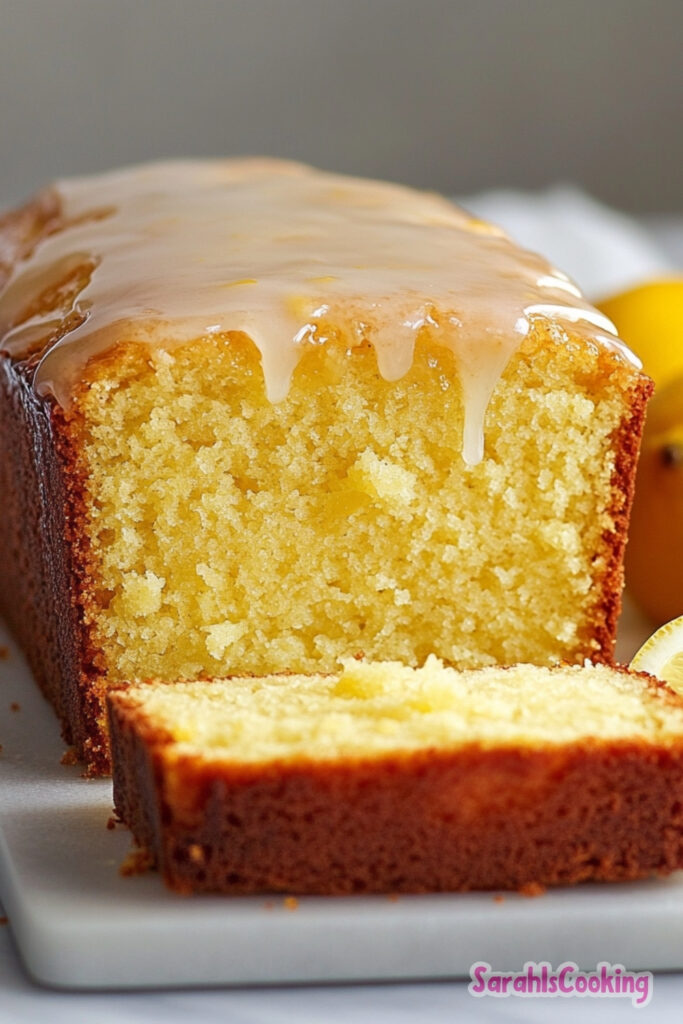
Exceptionally tender lemon pound cake with a vibrant citrus syrup. A carefully tested method creates a soft crumb with balanced brightness and dependable results every time.
This lemon pound cake is built for reliability, producing a soft, fine crumb that holds together beautifully while still feeling delicate on the palate. The structure balances richness with brightness, allowing the citrus to stand clearly without overwhelming the butter base.
I approach pound cake with precision because small changes in fat ratio, egg count, and flour type significantly influence texture. This version intentionally leans toward tenderness while maintaining enough structure to slice cleanly.
A warm lemon syrup is applied immediately after baking so the crumb absorbs flavor at peak openness. The result is a cake that tastes fully developed rather than simply lemon-scented.
Who This Recipe Is For
This recipe is ideal for home bakers who want dependable outcomes without unnecessary complication. The steps are straightforward but purposeful, making it suitable for intermediate bakers or careful beginners.
If you value understanding why a recipe works, this method provides clarity at each stage. The structure minimizes risk while still delivering a refined final texture.
It is also well suited for those baking for gatherings or small sales, where consistency across batches matters. The batter behaves predictably when handled correctly.
Why This Recipe Works
Traditional pound cakes rely heavily on eggs for structure, which can create a firmer crumb. Reducing the egg quantity while introducing full fat sour cream softens the texture without compromising stability.
Cake flour plays a central role by limiting gluten formation. Less protein results in a finer crumb that feels light despite the high butter content.
The lemon zest is incorporated directly into the sugar before creaming, which releases aromatic oils and distributes flavor more evenly. This prevents sharp citrus pockets and ensures consistent brightness throughout.
A small amount of baking powder provides lift while maintaining the dense character expected from a pound cake. The result is a balanced rise that avoids dryness.
Ingredients Needed for the Recipe
Granulated sugar - provides sweetness while contributing moisture retention and tender structure.
Fresh lemons - supply both zest for aromatic oils and juice for acidity that sharpens flavor perception.
Unsalted butter - forms the primary fat base, creating richness and supporting the fine crumb texture.
Fine sea salt - enhances flavor contrast and prevents the sweetness from tasting flat.
Vanilla extract or vanilla bean paste - rounds out the citrus profile and deepens aroma.
Large eggs - provide structure through protein coagulation and help emulsify the batter.
Cake flour - lowers gluten strength, resulting in a softer and more delicate crumb.
Baking powder - offers controlled lift to prevent an overly dense interior.
Full fat sour cream - introduces moisture and mild acidity that improves tenderness.
Granulated sugar for syrup - dissolves into the lemon juice to create a glossy soak.
Fresh lemon juice for syrup - delivers concentrated citrus flavor that penetrates the baked crumb.
Pinch of salt for syrup - sharpens flavor contrast and prevents a one-dimensional sweetness.
Ingredient Insights and Function
Cake flour is essential for achieving the desired crumb softness. Substituting all purpose flour without adjustment may create a tighter texture due to higher protein content.
If cake flour is unavailable, replacing a small portion of all purpose flour with cornstarch mimics the lower protein structure. Skipping this adjustment may result in a slightly heavier cake.
Sour cream contributes both fat and acidity, helping break down gluten strands during mixing. Greek yogurt may be substituted but often introduces a slightly firmer texture.
Fresh lemon zest carries the majority of the citrus aroma because essential oils reside in the peel. Bottled juice cannot replicate this complexity.
Butter temperature affects emulsification. Butter that is too cold will not cream properly, while overly soft butter may cause the batter to lose structure during mixing.
How to make Lemon Pound Cake?
Step 1 - Prepare the Pan and Ingredients
Preheat the oven to 350 F and grease a standard loaf pan thoroughly. A light flour coating prevents sticking and supports even crust formation.
Ensure butter and eggs are at room temperature before mixing. Proper temperature allows smooth incorporation and prevents a broken batter.
Step 2 - Infuse the Sugar with Lemon Zest
Place sugar in the mixing bowl and zest fresh lemons directly over it. Rub the zest into the sugar with your fingers until the mixture feels slightly damp.
This step distributes essential oils evenly, creating a more integrated citrus flavor rather than surface-level brightness.
Step 3 - Cream Butter, Sugar, and Flavoring
Add butter, salt, and vanilla to the bowl and beat until light and fluffy. This stage usually takes five to seven minutes and should not be rushed.
Proper creaming traps air pockets that contribute to the cake’s final structure. The mixture should appear pale and smooth.
Step 4 - Incorporate the Eggs
Add eggs one at a time while mixing on medium speed. Each egg should fully incorporate before the next addition.
The batter should appear cohesive and slightly glossy. Scraping the bowl ensures even mixing throughout.
Step 5 - Add Dry Ingredients and Sour Cream
Sift cake flour and baking powder before adding them to the batter along with sour cream. Mix on low speed until just combined.
Overmixing at this stage may develop excess gluten and create a firmer crumb. The batter should look smooth but not overly elastic.
Step 6 - Transfer Batter to the Pan
Spread the batter evenly in the prepared loaf pan and smooth the surface. A gentle line down the center encourages controlled expansion.
Consistent thickness helps the cake bake evenly from edge to center.
Step 7 - Bake Until Properly Set
Bake for approximately 50 to 60 minutes, checking for doneness with a cake tester. The cake should spring back lightly when pressed.
Internal structure continues setting as the cake cools, so avoid overbaking which can dry the crumb.
Step 8 - Prepare the Lemon Syrup
Combine lemon juice, sugar, and a pinch of salt in a small saucepan. Heat gently until the sugar dissolves completely without boiling.
The syrup should appear clear and slightly thickened, indicating the sugar has fully melted.
Step 9 - Soak the Cake
While the cake is still warm, poke small holes across the surface using a cake tester. Slowly drizzle the syrup evenly over the cake.
Allow time for absorption between pours so the syrup penetrates deeply rather than pooling on top.
Step 10 - Cool and Serve
Let the cake rest in the pan briefly before removing. Serve warm or at room temperature once the syrup has fully absorbed.
The crumb becomes even more cohesive as it cools, making slicing cleaner and more precise.
How I Tested and Refined This Recipe
I began testing with a traditional pound cake ratio but found the crumb slightly firm for a citrus-forward profile. Reducing the egg quantity improved tenderness without weakening structure.
Increasing sour cream introduced additional moisture while maintaining balance. Early versions with higher flour content produced a tighter crumb that did not highlight the lemon as clearly.
I tested variations with melted butter but found that creamed butter provided better air incorporation. This improved lift without relying heavily on chemical leavening.
Syrup concentration required careful adjustment. Too thin and the flavor disappeared, too thick and it created a sticky exterior rather than a cohesive crumb.
The final version reflects a balance of softness, stability, and concentrated citrus flavor. Each step intentionally supports texture consistency.
Common Mistakes and How to Avoid Them
Using cold butter prevents proper creaming and limits air incorporation.
Skipping the zest infusion step results in weaker lemon flavor distribution.
Overmixing after adding flour develops gluten and toughens the crumb.
Underbaking leaves the center overly dense and damp.
Pouring syrup too quickly causes uneven absorption.
Using bottled lemon juice reduces aromatic complexity.
Removing the cake from the pan too early may cause breakage.
Make-Ahead, Storage, and Freezing Guidance
This cake maintains optimal texture for up to three days when stored in an airtight container at room temperature. The crumb remains soft due to the syrup infusion.
Refrigeration is not necessary but may slightly firm the butter structure. If chilled, allow slices to return to room temperature before serving.
For freezing, wrap the fully cooled cake tightly in plastic wrap and place in a freezer-safe container. Freeze for up to two months for best quality.
Thaw the cake overnight in the refrigerator or at room temperature. Gentle warming restores the tender crumb without drying the edges.
Tips
Rub zest into sugar thoroughly to release aromatic oils.
Scrape the bowl frequently for even mixing.
Use a light-colored metal loaf pan for even heat distribution.
This Lemon Pound Cake is the softest, most tender pound cake with a melt-in-your-mouth crumb. Drizzled with fresh lemon syrup, it bursts with citrus flavor at the edges and ends.
ingredients
Lemon Pound Cake
1cup granulated sugar (200g)
3-4 lemons (zest only, washed)
1cup unsalted butter (226g, room temperature)
1 ¾cups cake flour (225g)
1tsp baking powder
1tsp fine sea salt
2tsp vanilla extract (or vanilla bean paste)
2large eggs (room temperature)
1/2cup sour cream (120g, full fat)
Lemon Simple Syrup
2/3cup granulated sugar (160g)
1/3cup fresh lemon juice (75g)
pinch fine sea salt
Instructions
1
Preheat oven to 350°F (175°C) and grease & flour a standard loaf pan (8.5–9 x 4–5 inches).
2
In a stand mixer bowl, combine sugar and lemon zest. Rub zest into sugar to release oils.
3
Add butter, salt, and vanilla. Beat on low-medium speed until light and fluffy (5–7 minutes), scraping the bowl occasionally.
4
Add eggs one at a time, beating 3–5 minutes until well incorporated.
5
Sift in cake flour, add baking powder and sour cream. Beat on low until smooth. Scrape the batter to mix evenly.
6
Pour batter into prepared pan, smooth top, and bake 50–60 minutes, or until a cake tester comes out clean.
7
Meanwhile, make lemon syrup: combine sugar, lemon juice, and salt in a small pot over medium heat until sugar melts.
8
Remove cake from oven, poke holes with a tester, and slowly drizzle syrup over cake allowing absorption.
9
Cool slightly and serve warm or at room temperature. Store leftovers in an airtight container.
Nutrition Facts
Servings 8
Serving Size 1 slice
Amount Per Serving
Calories320kcal
% Daily Value *
Total Fat13gg20%
Saturated Fat8gg40%
Trans Fat0gg
Cholesterol85mgmg29%
Sodium180mgmg8%
Potassium100mgmg3%
Total Carbohydrate47gg16%
Dietary Fiber1gg4%
Sugars32gg
Protein5gg10%
Calcium 30mg mg
Iron 1mg mg
* Percent Daily Values are based on a 2,000 calorie diet. Your daily value may be higher or lower depending on your calorie needs.
Note
For extra lemony flavor: Add 1 tsp lemon extract to the batter.
Make a glaze: Mix powdered sugar with fresh lemon juice and a pinch of salt once cake is cool.
Storage tip: Store in an airtight container at room temperature for 3–4 days.
Pan substitution: A 10-cup bundt pan works if doubling the recipe, adjust baking time accordingly.
Pin this recipe to share with your friends and followers.
Sarah
Food and Lifestyle Blogger
Hi, I’m Sarah, a home cook and baker who believes that good food doesn’t need to be complicated to be meaningful. This blog is where I share approachable, dependable recipes made with care — the kind of dishes you can come back to again and again.