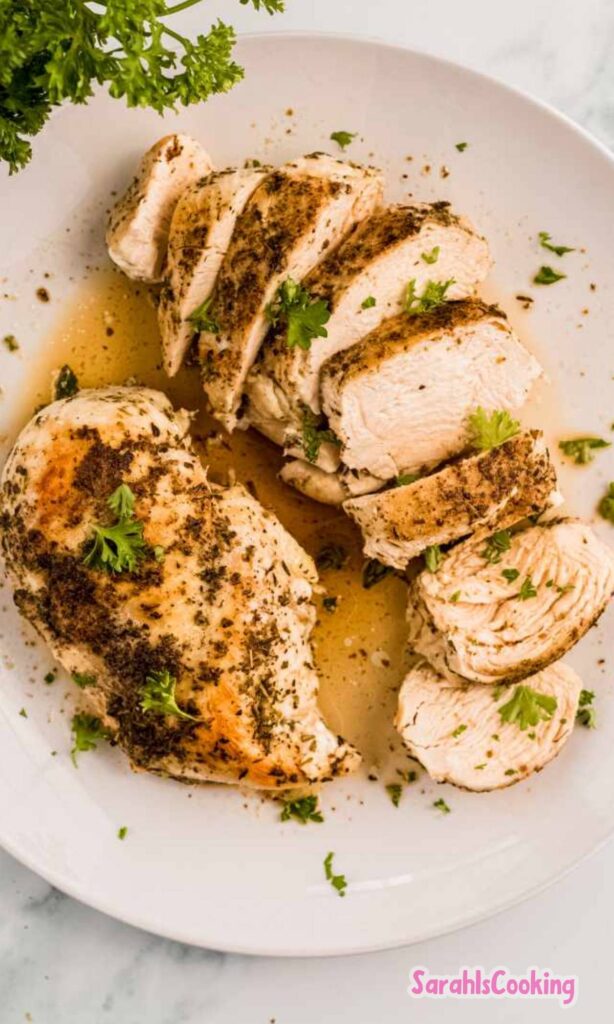
This outline establishes a reliable, repeatable method for making Instant Pot chicken breast that is consistently juicy, well-seasoned, and practical for real-life cooking. The focus is on precision, timing, and understanding why each step matters so readers can trust the outcome.
The goal is to position this recipe as a dependable kitchen staple rather than a one-time meal, reinforcing confidence through clear structure and tested technique.
Personal experience should emphasize how this method became part of a regular cooking rhythm. Testing insights should highlight consistency across fresh and frozen chicken. Risk reduction should reassure readers who have struggled with dry pressure-cooked chicken.
Who This Recipe Is For
This recipe is designed for home cooks who want fast, reliable protein without sacrificing texture or flavor. It supports beginners learning pressure cooking as well as experienced cooks looking for a dependable baseline method.
It is especially useful for meal preppers, busy families, and anyone who wants versatile chicken that can be used across multiple meals.
Personal experience should connect to weeknight efficiency and repeatability. Testing insights should stress how forgiving the method is. Risk reduction should address fear of overcooking or rubbery texture.
Why Instant Pot Chicken Breast Recipe Works
The structure relies on brief searing for flavor development, controlled steam pressure for gentle cooking, and a timed natural release that allows the meat fibers to relax instead of tightening.
The combination of broth, seasoning distribution, and elevated cooking on a trivet ensures even heat exposure while preserving moisture.
Personal experience should explain the difference between this and oven-baked chicken. Testing insights should discuss timing adjustments for size variation. Risk reduction should clarify that pressure time is short by design.
Ingredient Insights and Function
Each ingredient plays a focused role: spices create a balanced savory profile, olive oil supports browning, and broth generates the pressurized steam environment necessary for even cooking.
The optional cornstarch slurry transforms cooking liquid into a light gravy, reinforcing moisture retention during serving and storage.
Personal experience should note why simple seasoning keeps the chicken versatile. Testing insights should highlight how excess seasoning or over-searing can create bitterness. Risk reduction should explain that broth can be substituted with water if needed.
Step-by-Step Success Guidance for Instant Pot Chicken Breast Recipe
Preparation Phase
Seasoning should be applied thoroughly and evenly to ensure flavor penetration. Chicken size should be evaluated before cooking, as thickness influences pressure timing.
This phase sets the foundation for texture success by preparing the meat to cook evenly under pressure.
Personal experience should include how consistent sizing improves results. Testing insights should emphasize seasoning adhesion. Risk reduction should guide readers not to rush this step.
Execution Phase
A quick sauté builds flavor without cooking the chicken through, followed by proper deglazing to prevent burn warnings and capture the fond created during browning.
Pressure cooking is intentionally brief, allowing the appliance to do the work without overexposing the protein to heat.
Personal experience should reinforce restraint during searing. Testing insights should explain how five minutes of pressure is sufficient. Risk reduction should address common mistakes like skipping the deglaze.
This is a natural place to reference complementary preparations such as Shredded Chicken for readers wanting another foundational protein method.
Finishing and Doneness Cues
The natural pressure release window allows juices to redistribute, producing tender slices rather than dry fibers. Visual cues and resting behavior matter more than extended cooking time.
Finishing with pan juices or optional gravy protects the final texture and enhances usability for leftovers.
Personal experience should describe recognizing properly cooked chicken by feel and appearance. Testing insights should explain the science of carryover cooking. Risk reduction should warn against quick-releasing pressure too early.
How I Tested and Refined Instant Pot Chicken Breast Recipe
Multiple trials explored differences in chicken size, fresh versus frozen preparation, and variations in natural release timing to confirm the most reliable structure.
Adjustments focused on minimizing dryness while maintaining efficiency, leading to a method that works across a wide range of kitchen scenarios.
Personal experience should include early inconsistencies and what corrected them. Testing insights should highlight timing validation. Risk reduction should reassure readers that the process is intentionally forgiving.
Common Mistakes When Making Instant Pot Chicken Breast Recipe
Over-searing, skipping the deglazing step, stacking chicken, or mis-timing the pressure release can all compromise the final texture.
These errors typically come from trying to “add extra cooking” rather than trusting the controlled environment of the pressure cooker.
Personal experience should acknowledge these easy missteps. Testing insights should explain how each mistake affects moisture retention. Risk reduction should reframe the recipe as a precision method rather than a guess-based one.
Readers pairing this protein with sides may also benefit from dependable options like Cucumber Salad to maintain the same low-effort approach.
Make-Ahead, Storage, and Freezing Guidance
This recipe performs exceptionally well for advance preparation because the cooking juices help maintain moisture during refrigeration and reheating.
Proper storage with those juices prevents the dryness commonly associated with leftover chicken breast.
Personal experience should describe how this became a meal-prep staple. Testing insights should cover reheating behavior and slicing technique. Risk reduction should advise against reheating without added moisture.
For extended meal planning, this chicken integrates seamlessly into bowls, wraps, or recipes like Burrito Bowl Recipe, reinforcing its role as a versatile base rather than a single-use dish.