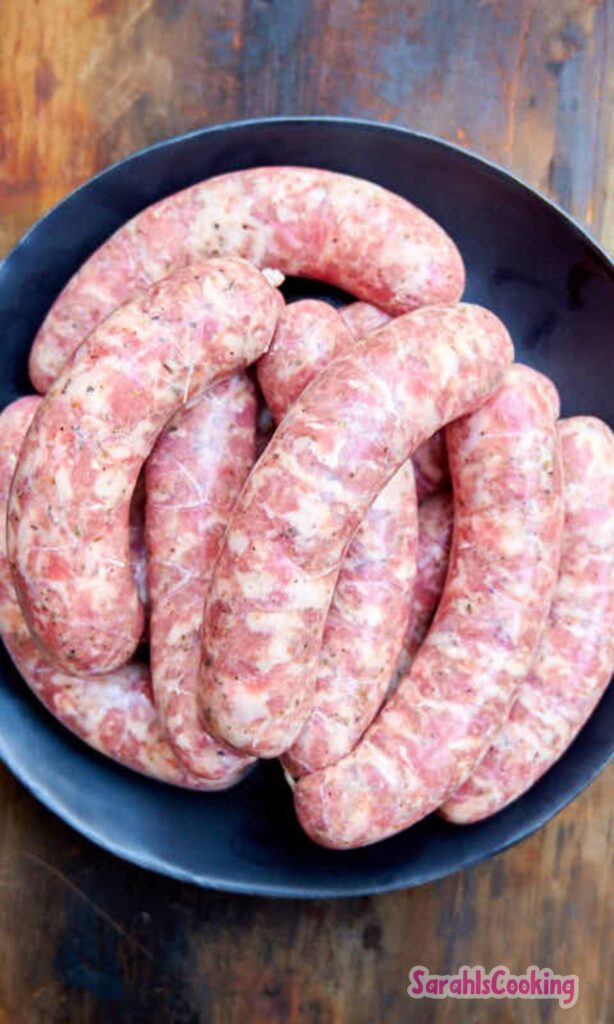
This section introduces Homemade Italian Sausage as a foundational, from-scratch preparation that prioritizes control, flavor balance, and ingredient transparency. It establishes confidence by emphasizing simplicity, repeatability, and the value of building flavor intentionally rather than relying on pre-seasoned products.
It should frame the recipe as practical, not flashy cooking—something that fits naturally into everyday meals while delivering noticeably better texture and taste.
Include a brief note on the author’s hands-on experience transitioning from store-bought versions to homemade and the improvement observed in aroma, texture, and adaptability. Emphasize reader trust by reinforcing that this method has been tested for consistency and ease.
Who This Recipe Is For
This section defines the recipe as ideal for home cooks who want better flavor without adding complexity. It should clarify that no special equipment is required and that the process relies on technique rather than tools.
Explain that this is especially useful for readers who cook frequently and want a reliable protein base for multiple dishes throughout the week.
Highlight that beginners can succeed because the method is forgiving, while experienced cooks will appreciate the ability to adjust seasoning profiles. Reduce reader hesitation by noting the short preparation time and flexible usage.
Why Homemade Italian Sausage Recipe Works
This section explains the culinary logic behind the balance of pork, fennel, salt, and supporting spices. It should describe how each ingredient contributes to the classic Italian sausage profile while remaining intentionally mild and versatile.
Emphasize that the measured fat content supports moisture retention and proper browning, which directly affects flavor development during cooking.
Include insight into how mixing spices separately ensures even distribution, preventing dense or unevenly seasoned sausage. Reinforce that restraint in seasoning allows the sausage to adapt across recipes, including applications like Marry Me Chicken where the sausage complements rather than dominates.
Ingredient Insights and Function
This section breaks down each ingredient structurally, explaining why pork with moderate fat is preferred and how fennel defines the traditional flavor identity. It should clarify the supporting role of garlic powder, onion powder, salt, and chili flakes in building depth without overpowering the meat.
Explain that powdered aromatics provide consistency across the mixture, ensuring every bite carries the same seasoning balance.
Include testing observations about how small adjustments affect the final outcome and remind readers that spice ratios can be tailored similarly to foundational blends like Homemade Taco Seasoning, where balance matters more than intensity.
Step-by-Step Success Guidance for Homemade Italian Sausage Recipe
Preparation Phase
Outline the importance of keeping the meat cold, pre-mixing spices, and handling the mixture gently. This section should explain sequencing and why temperature control preserves texture.
Reduce risk by noting that overworking the meat can lead to density rather than tenderness.
Execution Phase
Focus on visual and tactile cues during mixing and cooking. Describe what properly combined sausage looks like and how spacing in the pan allows browning instead of steaming.
Include reminders drawn from testing that color development equals flavor and should not be rushed.
Finishing and Doneness Cues
Clarify how to recognize when the sausage is fully cooked yet still juicy. This section should highlight crust formation, aroma, and texture rather than relying solely on time.
Reassure readers that the sausage can be used immediately or rested to deepen flavor, depending on schedule