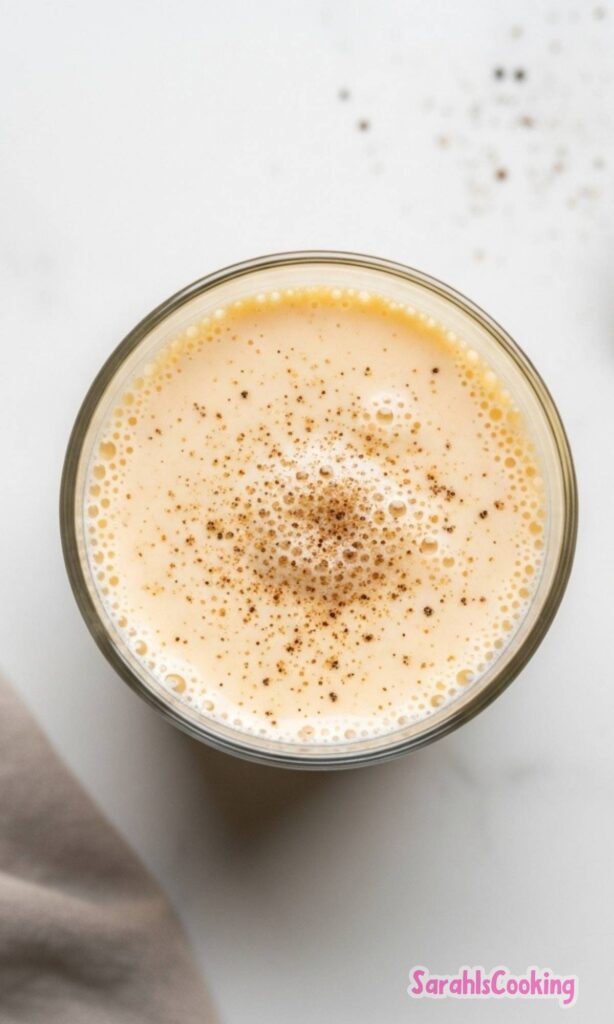
Let’s talk about eggnog - the kind that actually tastes like the holidays instead of sugar and filler.
This is the version I make every year when I want something classic, creamy, and just a little indulgent without feeling heavy. It’s the same batch I pour when friends are lingering in the kitchen and the evening stretches longer than planned.
I’ve tested more eggnog variations than I care to admit, and this is the one I return to. It’s rich but not cloying, spiced without being overpowering, and smooth enough that people go back for refills without realizing it.
This isn’t the thick, syrupy carton version. It’s lighter on the palate, deeply flavorful, and exactly what eggnog should be when made from scratch.
Who This Recipe Is For
This recipe is for home cooks who want a traditional eggnog that feels intentional, not gimmicky. If you enjoy understanding why a recipe works instead of just following steps, this will feel comfortable.
It’s also ideal if you host during the holidays and want a make-ahead drink that holds its texture and flavor. I often serve it alongside simple appetizers like a Chex Party Mix so guests can help themselves without fuss.
If raw eggs make you uneasy, I address that clearly later so you can decide whether this version fits your table.
Why This Recipe Works
This eggnog succeeds because it relies on balance and timing rather than complexity. The sugar fully dissolves into the yolks before any liquid is added, which creates a smooth base that never tastes grainy.
The chilling period matters more than people realize. That rest time allows the dairy, alcohol, and spice to meld into something cohesive instead of tasting sharp or disjointed.
Whipped egg whites folded in at the end are what keep this from feeling heavy. They lift the texture, giving the drink a soft, airy finish that feels festive instead of dense.
Ingredients Needed for the Recipe
- Large eggs, separated - The yolks provide richness and structure, forming the custard-like base. The whites are whipped separately to add lightness.
- Granulated sugar - Sweetens, softens the alcohol, and helps the yolks emulsify smoothly. It dissolves cleanly without grit.
- Kosher salt - A small amount sharpens flavor and keeps the sweetness balanced.
- Whole milk - Adds body without overwhelming richness. Lower-fat milk tastes thin here.
- Dark rum - Brings warmth and subtle caramel notes that blend naturally with dairy.
- Heavy cream - Creates the signature velvety mouthfeel that makes eggnog feel indulgent.
- Whole nutmeg and cinnamon stick - Freshly grated spice adds aroma and depth. Pre-ground won’t deliver the same result.
How to make Homemade Eggnog Recipe?
Step 1 - Build the Base
Whisk the egg yolks, sugar, and salt together in a large bowl until smooth. Rub a drop between your fingers to ensure the sugar has dissolved.
Slowly whisk in the milk, followed by the rum and heavy cream. Adding liquids gradually keeps the mixture cohesive and prevents curdling.
Once combined, the mixture should look pale and fluid. Cover tightly and refrigerate for at least two hours so the flavors can fully integrate.
Step 2 - Finish Before Serving
Beat the egg whites in a clean, dry bowl until stiff, glossy peaks form. Stop as soon as they hold their shape to avoid graininess.
Gently fold the whipped whites into the chilled base using a wide spatula. Work slowly to preserve the air you’ve just created.
Serve immediately with freshly grated nutmeg or a light touch of cinnamon over each glass.
Flavor Adjustments and Alcohol Options
Dark rum is my go-to, but this recipe adapts well. Bourbon adds vanilla and oak notes, while brandy brings subtle fruitiness.
I sometimes use half rum and half bourbon for depth. Keep the total alcohol volume the same to maintain balance and texture.
If you prefer a milder drink, reduce the alcohol slightly and replace it with milk or cream. The structure stays intact.
Visual and Texture Cues to Watch For
The finished base should look smooth and unified, not separated. After chilling, it will feel slightly thicker but still pourable.
Once the egg whites are folded in, the eggnog should feel light on the tongue. If it tastes heavy, the whites were likely overmixed.
Freshly grated nutmeg should smell fragrant and warm. If the spice aroma is flat, it’s usually a sign the nutmeg is old.
Common Mistakes and How to Fix Them
If the eggnog tastes gritty, the sugar wasn’t fully dissolved at the start. Take an extra minute during the yolk stage next time.
Flat or dense texture usually means the egg whites were either overwhipped or folded too aggressively.
If the flavor feels sharp, it likely needs more chill time. Eggnog softens noticeably after resting.
Tips
- Separate eggs carefully. Even a trace of yolk can prevent whites from whipping properly.
- Chill the base fully before folding in whites to maintain structure.
- Fold gently from the bottom to preserve air.
- Always grate nutmeg fresh for aroma and flavor.
Make-Ahead, Storage, and Leftovers
The base can be made up to six hours ahead and kept tightly covered in the refrigerator. Don’t add the egg whites until just before serving.
Leftovers keep well for up to three days when refrigerated. Stir gently before serving, as natural separation can occur.
If you enjoy repurposing leftovers, eggnog works beautifully in baked breakfasts like a French Toast Recipe, where the custard flavor really shines.
Serving Notes and Pairings
I like serving eggnog in a large bowl with a ladle so guests can help themselves. It feels relaxed and welcoming.
It pairs well with savory snacks and simple sweets. If I’m putting out cookies, I often choose something spiced like Gingerbread Cookies to echo the nutmeg.
For a cozy non-alcoholic spread, serve it alongside a simmering Vanilla Cinnamon Simmering Pot to fill the kitchen with warmth.
This is the kind of recipe I trust year after year. It’s been tested, repeated, and shared, and it always delivers the same calm, celebratory result.