
A dependable breakfast recipe should do more than taste good. It should work every single time, whether you are making it for a quiet weekday morning or a table full of people.
This healthy breakfast casserole is one I have tested repeatedly to make sure it delivers exactly that. It is hearty without feeling heavy, full of vegetables, and structured in a way that slices cleanly and reheats beautifully.
The method is simple, but each step has a purpose. When you understand why it works, you can adapt it confidently and still expect consistent results.
Who This Recipe Is For
This recipe is for the home cook who wants reliability, not guesswork. If you appreciate knowing why ingredients behave the way they do, this casserole will feel intuitive and forgiving.
It is especially useful for families, meal preppers, and anyone who needs a protein-rich breakfast that can be made ahead without sacrificing texture. It also scales well, which makes it ideal for gatherings.
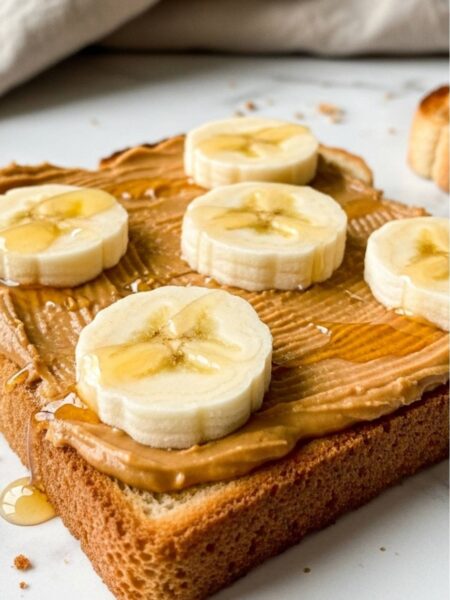
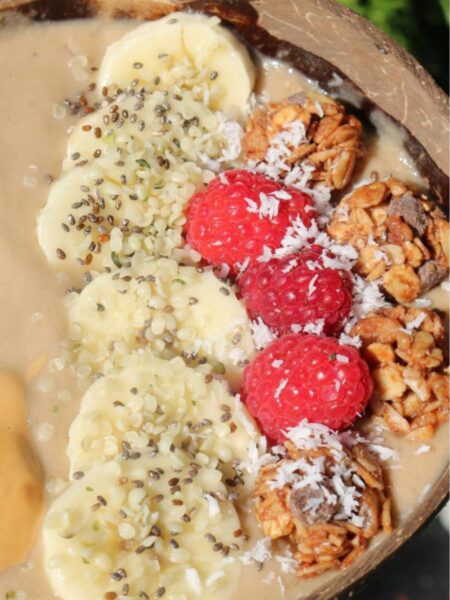
If you enjoy building a balanced morning plate, this pairs naturally with something fresh like a Smoothie Bowl Recipe or toast-based options for contrast.
Why This Recipe Works
The structure relies on the ratio of eggs to vegetables, not flour or starch. That keeps the casserole light while still allowing it to hold together when sliced.
Cooking the vegetables first removes excess moisture, which is the key to preventing a watery finish. Many egg bakes fail here, but a short sauté concentrates flavor and stabilizes texture.
A small amount of full-fat dairy softens the egg proteins during baking. This creates a custard-like consistency instead of a rubbery one, even after reheating.
Ingredients Needed for the Recipe
- Extra-virgin olive oil – Used to sauté the vegetables and develop flavor while preventing sticking.
- Red bell peppers – Provide sweetness, color, and structure without releasing too much liquid.
- Green onions – Add mild sharpness that balances the richness of the eggs.
- Fresh spinach – Brings moisture and nutrients, but wilts down to integrate evenly.
- Eggs – The primary structure of the casserole, setting into a sliceable custard when baked.
- Full-fat dairy – Softens the egg proteins and creates a tender texture.
- Hot sauce – Adds subtle acidity and depth without making the dish spicy.
- Fine salt – Essential for drawing out vegetable flavor and seasoning the eggs evenly.
- Freshly ground black pepper – Provides gentle warmth and complexity.
- Feta or goat cheese – Adds creaminess and tang while contributing pockets of richness.
How to make Healthy Breakfast Casserole?
Step 1 – Preheat and Prepare the Dish
Preheat the oven to 350°F and generously butter a 9×13-inch baking dish. Butter creates a better release than spray and lightly enriches the edges as it bakes.
Taking a moment to prepare the dish properly prevents sticking and helps the casserole lift cleanly when sliced.
Step 2 – Sauté the Vegetables
Warm the olive oil over medium heat, then cook the bell peppers and green onions until softened. This step removes excess moisture and concentrates their flavor.
Add the spinach last and cook just until wilted. You want it reduced, not watery, so the eggs stay stable during baking.
Step 3 – Cool the Vegetable Mixture
Let the vegetables cool slightly before combining them with the eggs. This prevents residual heat from prematurely setting the eggs.
This short rest also allows steam to escape, which protects the final texture from becoming spongy.
Step 4 – Whisk the Egg Base
Whisk the eggs with the dairy, salt, pepper, and hot sauce until fully combined. Avoid aggressive whipping, which can incorporate too much air.
A gentle whisk produces a smoother custard that bakes evenly instead of puffing dramatically and collapsing.
Step 5 – Combine and Add Cheese
Fold the vegetables into the egg mixture and stir in half of the cheese. Mixing gently keeps the structure intact while distributing ingredients evenly.
Reserve the remaining cheese for the top so it creates a lightly golden finish during baking.
Step 6 – Bake Until Just Set
Pour the mixture into the prepared dish and bake for 25 to 35 minutes. The center should be set but still have a slight jiggle when shaken.
That small movement indicates a custard texture rather than an overbaked one. Residual heat will finish the cooking as it rests.
Step 7 – Rest Before Slicing
Allow the casserole to cool for at least 5 minutes before cutting. This helps the proteins firm up so slices hold their shape.
Skipping this step often leads to crumbling or excess moisture on the plate.
Understanding Texture and Doneness
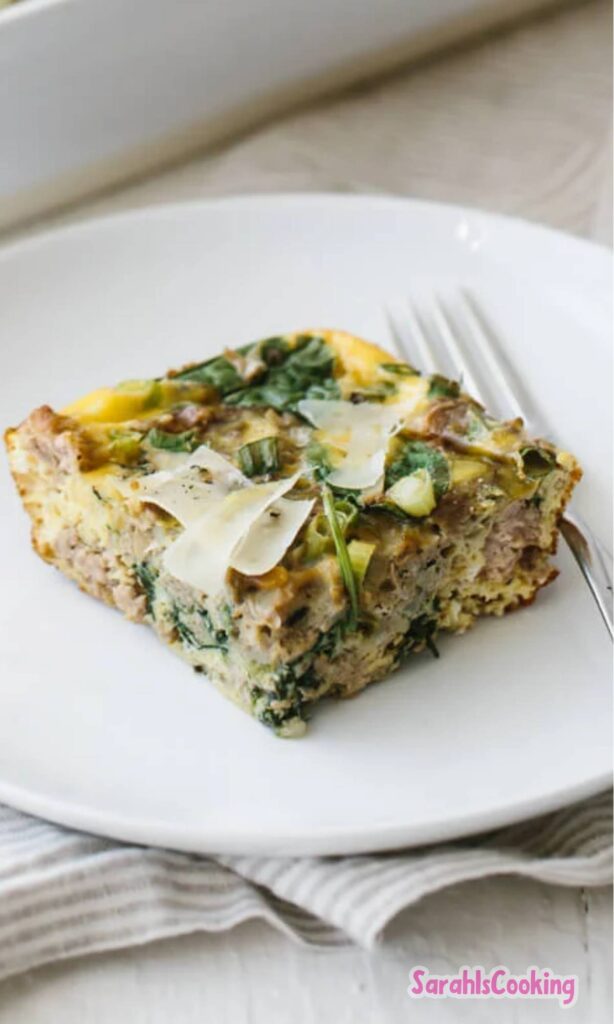
The goal is a tender, sliceable interior, not a dense egg block. Properly baked, the casserole should look matte on top with faint golden edges.
If you insert a knife into the center, it should come out clean but not dry. Overbaking is the most common mistake and leads to a tough texture.
Learning this visual cue once makes it much easier to repeat success without relying strictly on time.
Substitutions and How They Change the Outcome
This recipe is flexible, but thoughtful substitutions matter. Swapping vegetables is easy as long as they are cooked first to remove moisture.
Kale or chard can replace spinach, though they need a slightly longer sauté to soften. Mushrooms work well, but must be cooked until their liquid evaporates fully.
Different cheeses change both salt level and creaminess. Goat cheese melts smoothly, while feta stays more distinct and briny.
If you want to build a fuller brunch, serving this alongside Avocado Toast creates a balanced plate with contrasting textures.
Make-Ahead, Storage, and Reheating
This casserole is ideal for preparing in advance. You can assemble the entire mixture, cover it, and refrigerate it for up to 48 hours before baking.
If baking straight from the refrigerator, add a few extra minutes to the cook time so the center heats through evenly.
Leftovers keep well for up to four days when stored in an airtight container. Reheat gently in the oven or microwave to avoid overcooking the eggs.
Freezing is not recommended because the eggs can become watery when thawed. For freezer-friendly options, a wrapped format like a Burrito holds up better.
Tips
- Always cook vegetables before adding them to the eggs to prevent excess moisture.
- Let hot ingredients cool slightly so they do not begin setting the eggs prematurely.
- Use full-fat dairy for the most stable and tender texture.
- Do not overwhisk the eggs, which can create a spongy result.
- Bake just until the center barely jiggles to avoid toughness.
- Allow the casserole to rest before slicing so it holds together cleanly.
- Season vegetables during sautéing to build layered flavor.
- Use a ceramic or glass baking dish for more even heat distribution.
Common Questions
Can I prepare this the night before?
Yes. Assemble everything, cover tightly, and refrigerate. This actually improves flavor because the ingredients have time to meld.
Why did my casserole turn out watery?
This usually means the vegetables were not cooked long enough. Moisture must be released in the skillet, not the oven.
How do I know when it is fully cooked?
Look for a set center with a slight jiggle and lightly golden edges. A knife inserted near the middle should come out clean.
Can I add meat?
Yes, but it must be fully cooked and drained before adding. Excess fat or liquid can disrupt the egg structure.
Testing Notes and Reliability
I have made this casserole in multiple pans, with varied vegetables, and even after overnight refrigeration to ensure it performs consistently. The ratios are designed to tolerate small adjustments without failing.
Each time, the same principles proved essential: cook out moisture, avoid overmixing, and bake only until just set. Those three details are what transform simple ingredients into a dependable result.
Once you make it a few times, the process becomes second nature. That is when a recipe stops feeling like instructions and starts becoming part of your routine.

Healthy Breakfast Casserole Recipe
Description
Make this healthy breakfast casserole recipe for the holidays or busy weekday mornings! It's wholesome, hearty, and full of fresh flavor. Loaded with red bell peppers, spinach, green onions, and creamy feta or goat cheese, this vegetarian dish offers a nutritious, make-ahead option that pairs perfectly with muffins, pancakes, or toast for a balanced morning meal.
ingredients
Instructions
- Preheat the oven to 350°F. Grease a 9 by 13-inch baking pan with butter (avoid cooking spray—it doesn’t work as well).
- In a large skillet, warm the olive oil over medium heat until shimmering. Add the bell pepper and green onion and cook until the pepper is tender, about 8 to 10 minutes.
- Add the spinach and cook, stirring, until wilted, about 2 minutes. Remove from heat and let cool slightly.
- In a mixing bowl, crack the eggs and whisk in your chosen dairy, hot sauce, salt, and pepper until just blended.
- Stir in half of the cheese. Add the cooled vegetables and mix gently to combine.
- Pour the mixture into the prepared baking dish and top evenly with the remaining cheese.
- Bake for 25 to 35 minutes, until eggs are puffed and set, and the center barely jiggles. Confirm doneness by inserting a fork ¼-inch into the center—it should come out clean.
- Let cool on a rack for 5 minutes before slicing. Serve warm or store leftovers for up to 4 days in the fridge.
Nutrition Facts
Servings 8
Serving Size 1 portion
- Amount Per Serving
- Calories 220kcal
- % Daily Value *
- Total Fat 13gg20%
- Saturated Fat 5gg25%
- Trans Fat 0gg
- Cholesterol 310mgmg104%
- Sodium 420mgmg18%
- Potassium 320mgmg10%
- Total Carbohydrate 6gg2%
- Dietary Fiber 1gg4%
- Sugars 3gg
- Protein 20gg40%
- Calcium 15 mg
- Iron 10 mg
* Percent Daily Values are based on a 2,000 calorie diet. Your daily value may be higher or lower depending on your calorie needs.
Note
- Make ahead: Assemble the mixture and refrigerate for up to 2 days before baking. Add a few extra minutes to baking time if starting cold.
- Customize: Swap spinach for kale or chard (cook longer). Try mushrooms, tomatoes, or herbs for flavor twists.
- Freezing tip: Not recommended—freezing yields watery, rubbery texture. Try breakfast burritos for freezer-friendly egg meals.