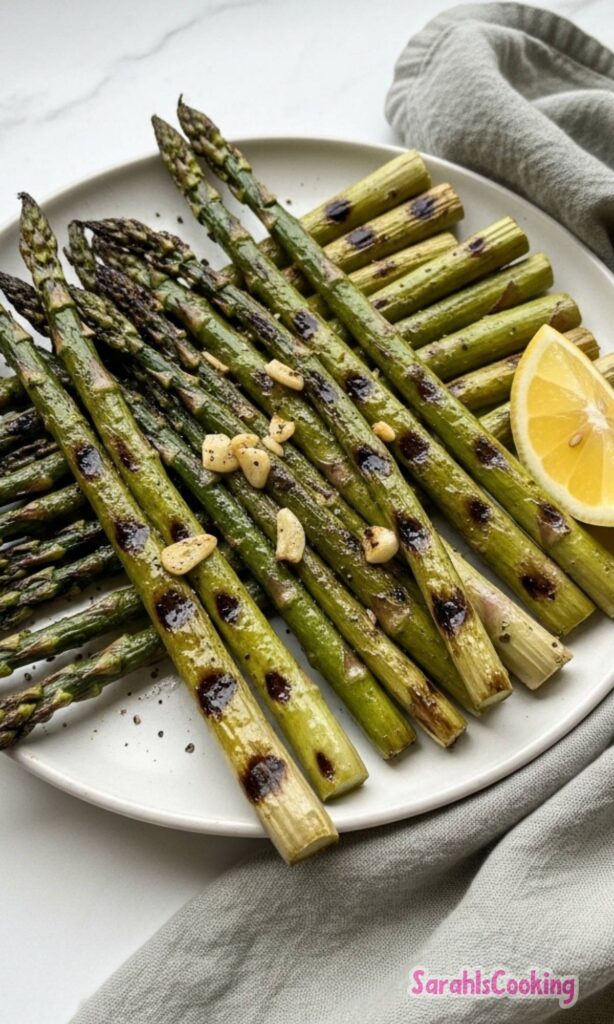
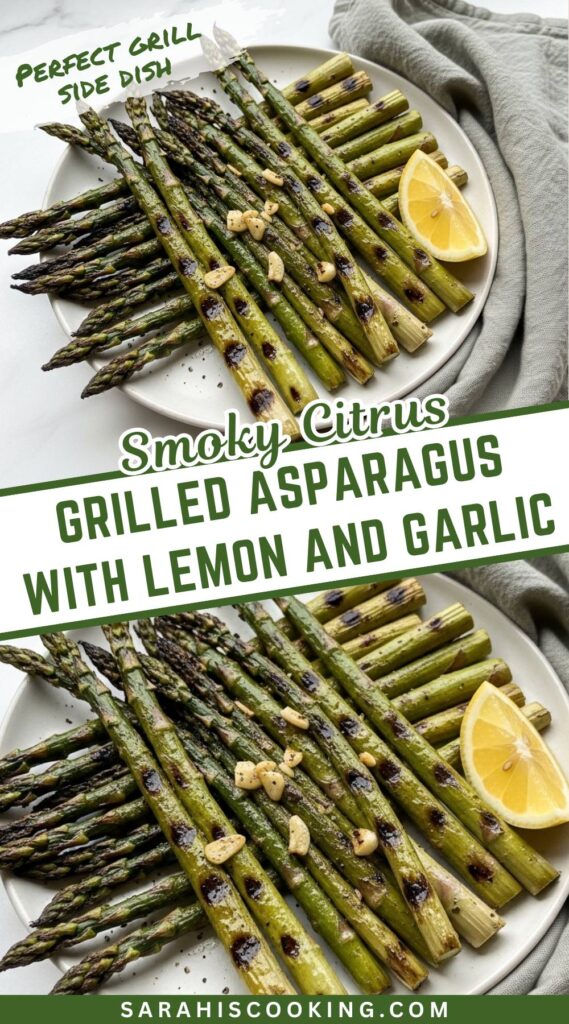
Grilled asparagus should be simple, but getting it truly right requires attention to detail. This version delivers tender spears with defined char, balanced brightness, and clean garlic flavor that enhances rather than overwhelms.
I approach recipes with a testing mindset, and this one is built for consistency. The method removes guesswork so you can achieve repeatable results whether cooking for a weeknight dinner or serving guests.
The goal is not just cooked asparagus, but asparagus that tastes intentional. Every step supports texture, moisture retention, and flavor clarity.
Who This Recipe Is For
This recipe is for home cooks who want vegetables to feel finished, not like an afterthought. If you appreciate clear instructions and dependable outcomes, you will find this method reassuring.
It works well for beginners because the ingredient list is short and the timing is fast. It also satisfies experienced cooks who want control over doneness and flavor balance.
If you have ever ended up with limp, stringy, or unevenly cooked asparagus, this process is designed to prevent that.
Why This Recipe Works
Grilling uses high, direct heat to create quick surface caramelization while preserving the asparagus interior. That contrast is what gives grilled asparagus its character rather than a steamed texture.
The ratio of oil to vegetable is deliberate. Enough oil conducts heat and prevents sticking, but not so much that the spears fry or become greasy.
Lemon zest is added before grilling so the essential oils bloom in the heat. Lemon juice is added after cooking to maintain brightness and prevent acidity from dulling the vegetable’s flavor.
Garlic is finely grated so it distributes evenly and lightly toasts without burning. This creates integration rather than isolated sharp bites.
Ingredients Needed for the Recipe
Asparagus - The structural base of the dish; thicker spears withstand grilling heat and retain moisture without collapsing.
Extra virgin olive oil - Promotes even heat transfer and helps seasoning adhere while protecting the surface from drying out.
Garlic, finely grated - Provides aromatic depth that disperses evenly instead of scorching in chunks.
Lemon zest and juice - Zest adds infused citrus oil during grilling, while juice adds final acidity for balance.
Kosher salt - Draws out natural sweetness and enhances browning without oversalting.
Freshly ground black pepper - Adds mild heat and complexity without masking the vegetable.
Aleppo pepper, optional - Contributes gentle warmth and subtle fruitiness rather than aggressive spice.
Fresh parsley or mint - Supplies a clean finish that lifts the grilled flavors and adds contrast.
Ingredient Insights and Function
Thickness matters more than people expect. Thin asparagus overcooks before it can char, resulting in softness without structure, while thicker spears develop a crisp exterior and tender center.
If you only have thin asparagus, reduce grill time significantly and consider skewering to prevent overexposure to heat. You will sacrifice some char but can preserve texture.
Olive oil should taste fresh and slightly grassy. A dull oil produces a flat finish because there are so few ingredients to compensate.
Garlic must be grated or minced extremely fine. Larger pieces burn before the asparagus cooks, introducing bitterness.
Lemon zest cannot be skipped. Juice alone gives acidity, but zest provides aromatic citrus oils that define the flavor profile.
Aleppo pepper is optional but recommended for balance. Substituting crushed red pepper changes the heat profile and can dominate the dish.
Fresh herbs should be added at the end only. Cooking them on the grill removes their volatile freshness and turns them muted.
How to make Grilled Asparagus with Lemon and Garlic?
Step 1 - Preheat the Grill Properly
Heat the grill to medium-high with direct heat. The grates should be hot enough that a spear sizzles immediately on contact.
This temperature ensures searing instead of steaming, which is essential for developing char before the interior softens.
Step 2 - Trim and Prepare the Asparagus
Snap or cut off the woody ends where the stalk naturally breaks. This removes fibrous portions that never soften.
Dry the spears thoroughly so oil coats evenly and does not slide off due to surface moisture.
Step 3 - Season with Intention
Toss the asparagus with olive oil, grated garlic, lemon zest, salt, and pepper until evenly coated. Every spear should glisten lightly but not pool with oil.
Uniform coating ensures even heat transfer and prevents patchy cooking.
Step 4 - Arrange for Direct Contact
Place the spears perpendicular to the grill grates or use a grill basket. This positioning prevents slipping while maximizing surface contact.
Avoid stacking, which traps steam and prevents caramelization.
Step 5 - Grill Briefly and Watch Closely
Cook for 4 to 6 minutes, turning occasionally. Look for blistered spots and slight flexibility while the stalk still holds shape.
The asparagus should bend slightly but not collapse, indicating the interior is tender without becoming mushy.
Step 6 - Remove in Stages if Needed
Tips cook faster than thicker ends, so remove spears individually as they reach doneness. This prevents overcooking the delicate portions.
Working this way maintains uniform texture across the batch.
Step 7 - Finish with Acid and Freshness
Squeeze fresh lemon juice over the hot asparagus, then add a final drizzle of olive oil. This layering creates both brightness and richness.
Sprinkle herbs and optional Aleppo pepper just before serving for a clean, aromatic finish.
How I Tested and Refined This Recipe
My earliest tests used lower heat, which produced evenly cooked asparagus but lacked flavor development. The result was technically correct yet dull.
Increasing the heat improved char but introduced burning when garlic was added too early in larger pieces. That led me to switch to finely grated garlic.
I also experimented with adding lemon juice before grilling, which caused the asparagus to steam and lose structure. Moving the juice to the finishing stage solved that issue immediately.
Oil quantity required adjustment as well. Too little caused sticking and uneven blistering, while too much softened the exterior instead of searing it.
The final method reflects those corrections. Each change is there because another version failed to deliver the texture or balance I wanted.
Common Mistakes and How to Avoid Them
Using thin asparagus - Leads to limp texture before char develops.
Grilling at low heat - Causes steaming instead of caramelization.
Adding lemon juice too early - Breaks down structure and dulls flavor.
Leaving spears wet after washing - Prevents proper oil adhesion.
Overcrowding the grill - Traps moisture and eliminates browning.
Cutting garlic too coarsely - Results in bitter, burnt pieces.
Walking away during cooking - The short cook time requires attention.
Make-Ahead, Storage, and Freezing Guidance
Grilled asparagus keeps well in the refrigerator for up to three days. The flavor remains strong, though the texture softens slightly as it rests.
Store in an airtight container to prevent moisture loss and absorption of other flavors. Allow it to cool fully before sealing to avoid condensation.
This dish is surprisingly good served cold or at room temperature, which makes it practical for advance preparation.
Freezing is not recommended because the cell structure breaks down, producing a watery texture after thawing.
To reheat, warm briefly in a hot skillet rather than microwaving. This restores some surface firmness without overcooking.
Tips
Choose asparagus with tightly closed tips for the freshest flavor.
Preheat the grill for at least 10 minutes to stabilize temperature.
Use tongs, not a spatula, to maintain control when turning.
Zest the lemon directly over the asparagus to capture aromatic oils.
Serve immediately for the best contrast of char and tenderness.
If cooking indoors, use a grill pan and keep heat slightly higher than you think.
Taste a spear before serving and adjust salt at the end if needed.
Grilled asparagus, kissed with bright lemon and savory garlic, is a quick and easy spring side dish packed with Mediterranean flavor. Perfect alongside grilled meats, tossed into salads, or added to a mezze platter. With just minutes on the grill, tender spears develop a delicious char balanced by citrusy zest, aromatic garlic, and a drizzle of premium olive oil.
ingredients
1pound asparagus (woody ends trimmed, thick spears preferred for grilling)
2tablespoons extra virgin olive oil (plus more for finishing)
1clove garlic (grated or finely minced)
1whole lemon (zested and juiced)
1/2tsp kosher salt (or to taste)
1/4tsp freshly ground black pepper
1/4tsp Aleppo pepper (optional, for mild citrusy warmth)
2tbsp fresh parsley or mint (chopped, for garnish)
Instructions
1
Preheat the GrillLight your charcoal or preheat your gas grill to medium-high direct heat (about 200°C/400°F). If using a grill basket, place it on the grill to preheat. Set a serving platter nearby.
A grill basket or skewering spears into 'rafts' makes flipping easier, but not required.
2
Season the AsparagusOn a rimmed baking sheet, drizzle trimmed asparagus with 2 tablespoons extra virgin olive oil. Add grated garlic, lemon zest, kosher salt, and black pepper. Toss gently to coat spears evenly.
Reserve the lemon juice for finishing after grilling.
3
Grill the AsparagusArrange asparagus spears in a single layer perpendicular to grill grates (or in preheated basket). Grill 4-6 minutes, turning occasionally with tongs, until charred in spots and just tender-crisp. Thinner spears and tips cook faster—remove as they finish.
Don't overcook; asparagus should retain a slight bite.
4
Finish and ServeTransfer grilled asparagus to serving platter. Immediately drizzle with fresh lemon juice, a final swirl of olive oil, and sprinkle with Aleppo pepper (if using) and chopped fresh herbs. Serve warm, at room temperature, or chilled.
Leftovers keep well refrigerated and are delicious cold in salads or grain bowls.
Nutrition Facts
Servings 4
Serving Size 1/4 of recipe (about 4-5 spears)
Amount Per Serving
Calories55kcal
% Daily Value *
Total Fat4.5gg7%
Saturated Fat0.7gg4%
Trans Fat0gg
Cholesterol0mgmg0%
Sodium145mgmg7%
Potassium250mgmg8%
Total Carbohydrate4.2gg2%
Dietary Fiber2.1gg9%
Sugars1.5gg
Protein2.5gg5%
Calcium 25mg mg
Iron 1.4mg mg
* Percent Daily Values are based on a 2,000 calorie diet. Your daily value may be higher or lower depending on your calorie needs.
Note
No grill? Use a stovetop grill pan, broil on high for 5-7 minutes, or roast at 220°C (425°F) for 10-12 minutes.
Choose thick spears: They hold up better on the grill and won't dry out as easily as thin ones.
Prep ahead: Trim and season asparagus up to 2 hours ahead; refrigerate covered until ready to grill.
Leftover ideas: Chop cold grilled asparagus into grain bowls, pasta salads, or top ricotta toast for a quick breakfast.
Keywords:
grilled asparagus, lemon garlic asparagus, Mediterranean side dish, spring vegetables, easy grilled recipe, healthy side dish
Pin this recipe to share with your friends and followers.
Sarah
Food and Lifestyle Blogger
Hi, I’m Sarah, a home cook and baker who believes that good food doesn’t need to be complicated to be meaningful. This blog is where I share approachable, dependable recipes made with care — the kind of dishes you can come back to again and again.