
This Garlic Parmesan Shrimp Pasta is one of those meals I rely on when I want something that feels polished but doesn’t require a full evening in the kitchen. It comes together quickly, but every step has a purpose, and that’s what makes it dependable.
The shrimp stay tender, the sauce turns silky without becoming heavy, and the pasta carries everything without feeling weighed down. It’s a balance I tested carefully, because cream sauces can easily tip too far in one direction.
I’ve made this enough times to know where things can go wrong and how to avoid that. When you follow the method as written, the result is consistent, and that’s always my goal.
Who This Recipe Is For
This recipe is for home cooks who want something reliable but still a little elevated. If you’ve ever been unsure about cooking shrimp or building a cream sauce, this walks you through it in a clear way.
It works well for both weeknight dinners and slightly more intentional meals. You don’t need advanced skills, just attention to timing and heat, which I’ll guide you through.
If you like recipes that explain the “why” behind each step, you’ll feel comfortable here. I don’t leave things to guesswork.
Why This Recipe Works
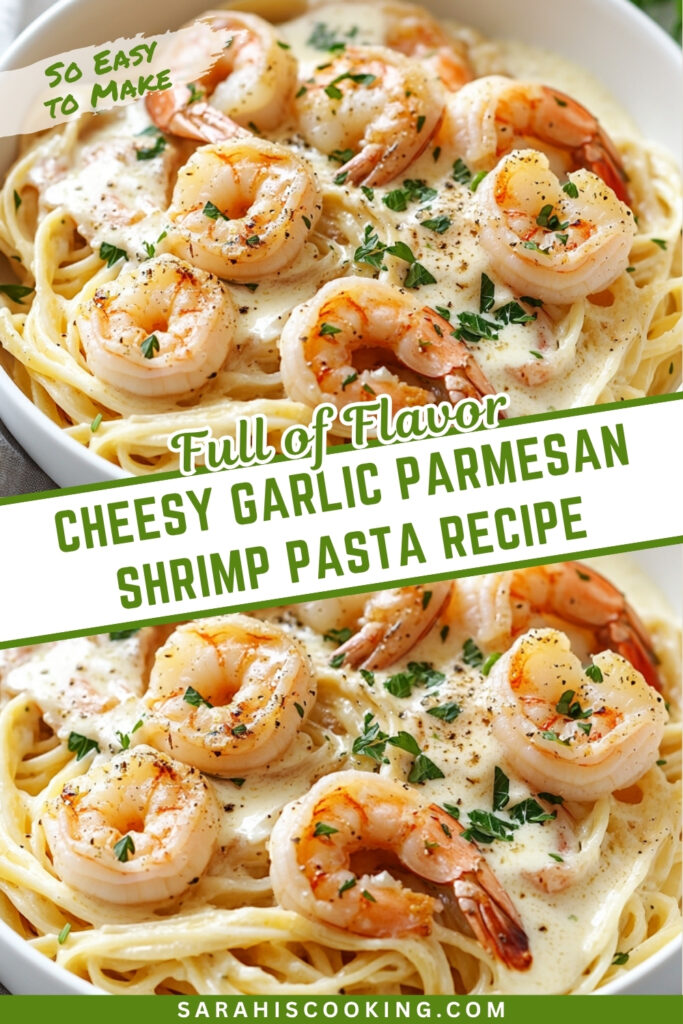
The structure of this dish is built around balance. The richness from the cream and parmesan is offset with lemon juice and a controlled amount of broth, so the sauce feels full but not overwhelming.
Cooking the shrimp separately is a deliberate choice. It prevents overcooking and keeps them juicy, while also allowing the sauce to develop without interruption.
The use of reserved pasta water is key. It binds the sauce to the pasta through starch, giving you a cohesive finish instead of a pool of sauce at the bottom of the bowl.
Ingredients Needed for the Recipe
- Pasta – Acts as the base structure and carries the sauce; shapes like spaghetti or linguine hold the cream well.
- Salt – Seasons the pasta water properly so the flavor builds from the start, not just at the end.
- Olive oil – Helps sear the shrimp lightly without sticking and adds a subtle richness.
- Raw shrimp – The main protein; provides sweetness and a tender texture when cooked correctly.
- Black pepper – Adds gentle heat and depth that balances the creaminess.
- Butter – Forms the base of the sauce and enhances the garlic flavor.
- Garlic – The backbone of the dish; infuses the entire sauce with a savory depth.
- Dry white wine – Adds acidity and complexity, helping cut through the richness.
- Broth – Builds volume in the sauce while keeping it from becoming too heavy.
- Heavy cream – Creates the silky texture and body of the sauce.
- Parmesan cheese – Thickens the sauce and provides a salty, umami finish.
- Lemon juice – Brightens the entire dish and prevents the sauce from feeling flat.
- Parsley – Adds freshness and a clean finish to balance the richness.
Ingredient Insights and Function
The pasta you choose does matter more than it seems. Long noodles like spaghetti coat evenly, while shapes like penne trap sauce inside. Both work, but the eating experience changes slightly.
Shrimp size affects timing. I prefer medium to large shrimp because they stay juicy longer. Smaller shrimp cook too fast and can turn rubbery before the sauce is ready.
If you skip the wine, the dish still works, but you lose a layer of brightness. Replacing it with broth is fine, though the final flavor will be a little more straightforward.
Heavy cream is not the place to substitute lightly. Using thinner cream leads to a looser sauce that doesn’t cling properly. If that’s your only option, expect a softer texture.
Pre-grated parmesan doesn’t melt as smoothly due to anti-caking agents. Freshly grated cheese blends into the sauce cleanly and gives a better finish.
How to make Garlic Parmesan Shrimp Pasta?
Step 1 – Boil the Pasta
Bring a large pot of water to a rolling boil and add the salt. The water should taste seasoned, not bland, because this is your first layer of flavor.
Cook the pasta for one minute less than the package suggests. This slight undercooking allows it to finish in the sauce without turning soft.
Step 2 – Reserve Pasta Water
Before draining, set aside about 1½ cups of the pasta cooking water. This step is easy to skip, but it makes a real difference later.
Drain the pasta and keep it ready. You want it warm when it goes into the sauce so it absorbs everything evenly.
Step 3 – Cook the Shrimp
Heat olive oil in a heavy skillet over medium-high heat. Once hot, add the shrimp that have been seasoned with salt and pepper.
Cook for about 2 minutes, just until they start to turn pink. They should not be fully cooked at this stage. Remove them from the pan to avoid overcooking.
Step 4 – Build the Garlic Base
Lower the heat slightly and melt the butter in the same skillet. Add the minced garlic and cook for about 30 seconds.
Keep the heat controlled here. Garlic burns quickly, and once it does, it affects the entire sauce.
Step 5 – Deglaze and Reduce
Pour in the white wine and let it simmer. This lifts any browned bits from the pan and concentrates the flavor.
After about 2 minutes, add the broth and let it reduce slightly again. You’re building layers without rushing.
Step 6 – Create the Cream Sauce
Add the heavy cream and stir gently. Once combined, sprinkle in the parmesan cheese.
Stir until the cheese melts fully, then let the sauce simmer briefly. It should thicken slightly but still remain fluid.
Step 7 – Combine Pasta and Sauce
Add the drained pasta to the skillet along with about ½ cup of the reserved pasta water. Toss gently to coat.
If the sauce feels too thick, add more pasta water a little at a time. The goal is a smooth, glossy finish that clings to the pasta.
Step 8 – Finish with Shrimp and Seasoning
Return the shrimp to the pan and cook everything together for about a minute. This allows the shrimp to finish cooking without becoming tough.
Add the lemon juice, parsley, and black pepper. Taste and adjust if needed before serving.
How I Tested and Refined This Recipe
I tested this recipe multiple times with different shrimp sizes and cooking methods. Cooking the shrimp entirely at the beginning led to overcooked, firm results that didn’t feel right.
I also experimented with skipping the pasta water, and the difference was clear. The sauce separated more easily and didn’t coat the pasta properly.
Another adjustment was the cream ratio. Early versions used more cream, but the dish felt heavy. Reducing it slightly and relying on pasta water created a better texture.
The final version reflects those changes. Each step now has a clear role, and nothing is there just for appearance.
Common Mistakes and How to Avoid Them
- Overcooking the shrimp – Remove them early and let them finish in the sauce to keep them tender.
- Burning the garlic – Use medium to low heat and watch closely; burnt garlic turns bitter quickly.
- Skipping pasta water – Without it, the sauce won’t emulsify properly and can feel separate.
- Using low-fat cream – This leads to a thin sauce that doesn’t coat the pasta well.
- Adding cheese too quickly – Sprinkle gradually and stir to prevent clumping.
- Cooking pasta fully upfront – Slightly undercook so it finishes in the sauce without becoming soft.
Make-Ahead, Storage, and Freezing Guidance
This dish is best served fresh, right after cooking. The sauce has the best texture when it’s just combined and still warm.
Leftovers can be stored in the refrigerator for up to 2 days. The sauce will thicken as it sits, which is expected.
Reheat gently on the stove with a splash of water or broth. This helps loosen the sauce without breaking it.
I don’t recommend freezing this dish. Cream-based sauces tend to separate after thawing, which affects both texture and appearance.
Tips
- Use a wide skillet so the pasta has room to move and coat evenly.
- Grate parmesan just before adding it for smoother melting.
- Taste the sauce before adding extra salt; parmesan already adds saltiness.
- Keep all ingredients prepped before starting since the cooking moves quickly.
- Add lemon juice at the end to preserve its brightness.
- Serve immediately for the best texture and flavor balance.
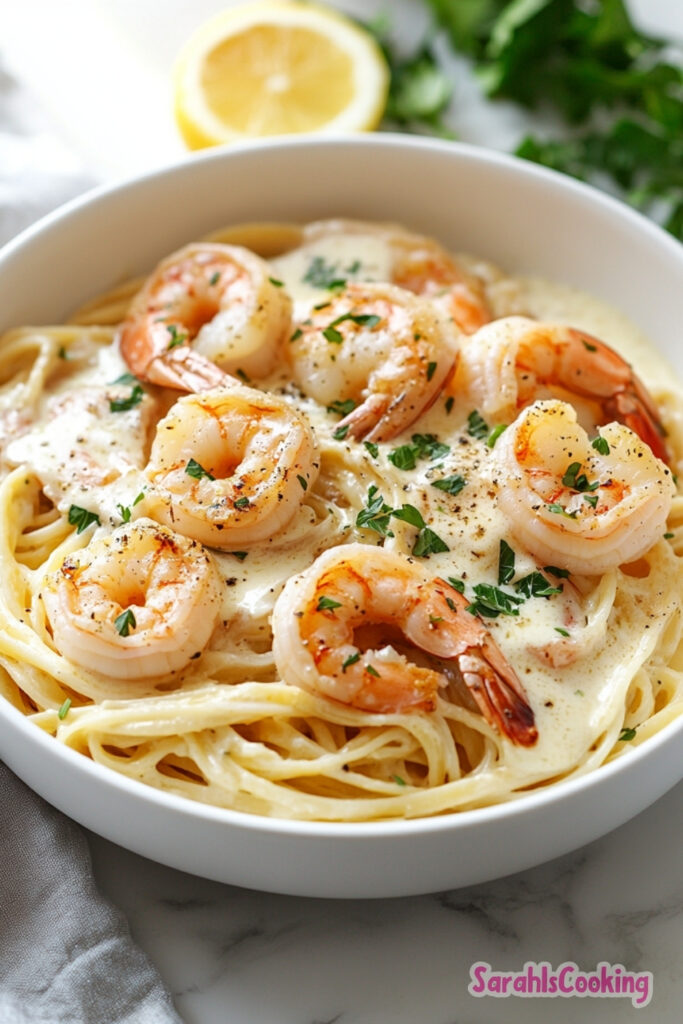

Garlic Parmesan Shrimp Pasta Recipe
Description
This Garlic Parmesan Shrimp Pasta strikes the perfect balance between decadence and simplicity. Juicy shrimp are coated in a velvety, garlic-infused cream sauce, stirred through your favorite pasta, and finished with freshly grated parmesan. It's a restaurant-quality comfort food dish that comes together in under 30 minutes, making it ideal for busy weeknights or elegant date nights.
ingredients
Pasta Base
For the Shrimp
For the Sauce
Instructions
Cook the Pasta
Bring a large pot of water to a boil. Add 1 tablespoon of salt and cook the pasta for 1 minute less than the package instructions. Before draining, reserve 1½ cups of the starchy pasta cooking water.Salting the water generously seasons the pasta from the inside out.Sear the Shrimp
While the pasta cooks, heat olive oil in a large skillet over medium-high heat. Season the shrimp with salt and pepper. Add to the skillet and cook for about 2 minutes, stirring occasionally, until pink and almost cooked through. Transfer shrimp to a plate.Do not overcook the shrimp at this stage; they will finish cooking in the sauce.Start the Sauce
In the same skillet, melt the butter over medium heat. Add the minced garlic and sauté for 30 seconds until fragrant, being careful not to burn it. Immediately pour in the white wine to deglaze the pan.Keep the heat moderate when cooking garlic to prevent bitterness.Simmer Liquids
Bring the wine to a simmer and cook for 2 minutes to reduce slightly. Add the broth and simmer for another 2 minutes.Create Cream Sauce
Reduce heat to medium-low. Pour in the heavy cream and sprinkle in the grated parmesan cheese. Stir continuously until the cheese melts and the sauce thickens slightly, about 1½ minutes.Using freshly grated parmesan ensures a smooth, non-grainy sauce.Combine and Finish
Add the drained pasta to the skillet along with ½ cup of the reserved pasta water. Toss gently to coat. Return the cooked shrimp to the pan. Cook for 1 minute, tossing everything together. If the sauce is too thick, add more pasta water as needed.The starchy pasta water helps emulsify the sauce so it clings to the noodles.Season and Serve
Remove from heat. Stir in the lemon juice, most of the chopped parsley, and the black pepper. Taste and adjust seasoning if necessary. Serve immediately garnished with extra parmesan and parsley.
Nutrition Facts
Servings 4
Serving Size 1/4 of recipe
- Amount Per Serving
- Calories 685kcal
- % Daily Value *
- Total Fat 42gg65%
- Saturated Fat 24gg120%
- Trans Fat 0gg
- Cholesterol 245mgmg82%
- Sodium 980mgmg41%
- Potassium 420mgmg12%
- Total Carbohydrate 48gg16%
- Dietary Fiber 2gg8%
- Sugars 3gg
- Protein 32gg64%
- Calcium 35% mg
- Iron 15% mg
* Percent Daily Values are based on a 2,000 calorie diet. Your daily value may be higher or lower depending on your calorie needs.
Note
- Shrimp Size: For best results, use 20-30 count shrimp. If using frozen, ensure they are fully thawed and patted dry before cooking.
- Pasta Water is Key: Don't skip reserving the pasta water. The starch helps bind the creamy sauce to the pasta, preventing it from sliding off.
- Cheese Tip: Always grate your own parmesan from a block. Pre-grated cheese contains anti-caking agents that can make the sauce grainy.
- Veggie Boost: Add baby spinach, steamed asparagus, or peas in the final minute of cooking for extra nutrition and color.