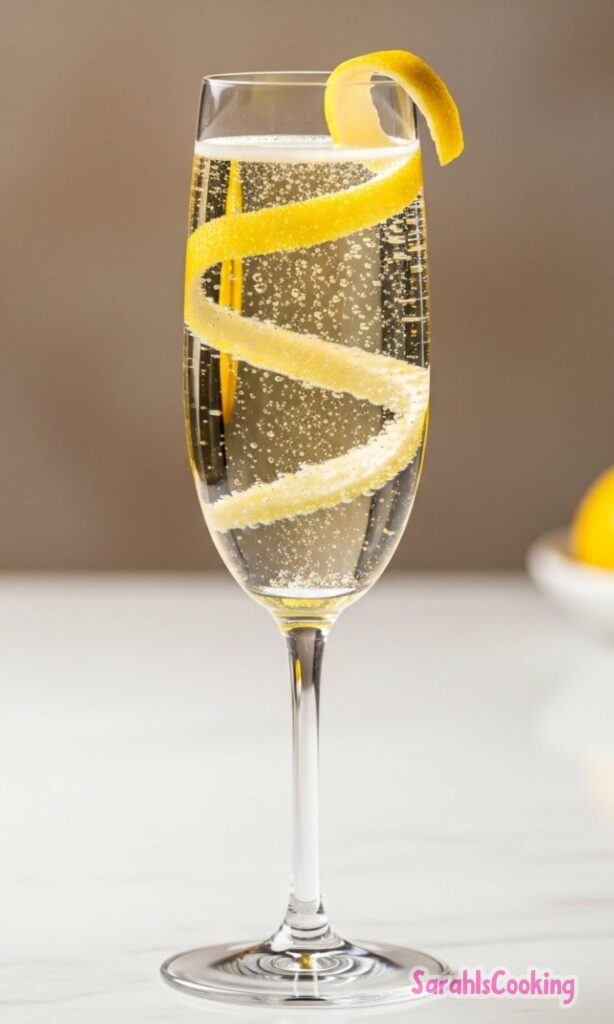
The French 75 cocktail is one of those drinks that feels elegant but is surprisingly simple to make well. With just a few ingredients, it creates a bright, sparkling balance of citrus, botanical gin, gentle sweetness, and crisp Champagne.
I appreciate recipes that are clear and dependable, and this one fits that standard perfectly. When the ratios are correct and the temperature is right, the drink tastes clean, lively, and beautifully structured.
This is the kind of cocktail I reach for when something calls for a little celebration. It works just as well at brunch as it does at a holiday gathering, and it comes together quickly once you understand the simple logic behind it.
Who This Recipe Is For
This recipe is ideal for home cooks who want a classic cocktail that feels refined but is completely manageable in a home kitchen. You do not need bartending experience to make it successfully.
If you enjoy simple recipes where each ingredient has a clear purpose, this drink will appeal to you. The ingredient list is short, the technique is straightforward, and the results are very consistent when the steps are followed carefully.
It is also a great starting point for anyone learning basic cocktail technique. The process teaches proper shaking, dilution control, and balance between acidity, sweetness, and carbonation.
Why This Recipe Works
The structure of a French 75 relies on balance. Gin provides botanical depth, lemon juice brings sharp acidity, simple syrup softens the edges, and Champagne adds lift and effervescence.
The key ratio used here keeps the drink bright without becoming overly sour. Too much lemon overwhelms the gin, while too much syrup flattens the citrus and makes the drink heavy.
Shaking the base ingredients before adding Champagne is another intentional choice. It chills the drink quickly while lightly diluting the citrus mixture, which prevents the finished cocktail from tasting harsh.
The final addition of sparkling wine lifts the whole drink. Instead of simply being sweet and citrusy, the cocktail becomes crisp, refreshing, and lively.
Ingredients Needed for the Recipe
Gin - The botanical base of the drink. Gin provides herbal complexity and structure that holds up against the citrus and sparkling wine.
Fresh Lemon Juice - Brings acidity and brightness. Fresh juice is essential because bottled lemon juice lacks the clean citrus oils that give the cocktail its crisp edge.
Simple Syrup - Balances the sharpness of the lemon. The sugar dissolves evenly into the drink and rounds out the flavor.
Champagne or Dry Sparkling Wine - Provides the bubbles and light texture that define the cocktail. A brut style works best because it keeps the drink from becoming overly sweet.
Ice - Used during shaking to chill the mixture and create controlled dilution.
Lemon Twist - Adds aroma through the citrus oils expressed over the finished drink.
Ingredient Insights and Function
Gin plays the structural role in this cocktail, so choosing a quality bottle matters. I tend to prefer gins with clear botanical notes and a clean finish. Floral or cucumber-forward varieties work particularly well because they highlight the citrus.
If you prefer a deeper flavor profile, cognac can replace the gin. This variation produces a warmer, richer drink with subtle fruit and oak notes. The citrus still keeps it bright, but the character becomes slightly more mellow.
Lemon juice must be freshly squeezed for the drink to work properly. Bottled juice often tastes dull or slightly bitter, which can flatten the entire cocktail. Fresh juice delivers a sharp acidity that balances the sweetness and the alcohol.
Simple syrup is the easiest sweetener because it dissolves instantly. Granulated sugar does not integrate as smoothly in a chilled drink, and honey or maple syrup can introduce competing flavors.
Champagne should be well chilled before using. A brut style is ideal because it sits in the middle of the sweetness scale. Extremely dry sparkling wines can make the drink feel sharp, while sweeter bottles overwhelm the citrus balance.
If Champagne is outside the budget, dry Prosecco or Cava works very well. The cocktail is forgiving in this area as long as the sparkling wine remains crisp and not overly sweet.
How to make French 75 Cocktail?
Step 1 - Chill the Glassware
Place your Champagne flute or coupe glass in the refrigerator for several minutes before mixing the drink. A chilled glass helps maintain the crisp temperature of the cocktail and protects the bubbles once the Champagne is added.
This small step makes a noticeable difference. When a warm glass is used, the drink loses its sparkle much faster and the overall experience feels flatter.
Step 2 - Fill the Cocktail Shaker with Ice
Add a generous amount of ice to a cocktail shaker. The goal is to create rapid chilling while also allowing a small amount of controlled dilution.
Using too little ice causes the mixture to warm too quickly during shaking. A well-packed shaker chills the ingredients efficiently and produces a cleaner final texture.
Step 3 - Add the Base Ingredients
Pour the gin, fresh lemon juice, and simple syrup into the shaker over the ice. At this stage the ingredients should remain cold but not yet diluted.
Make sure the lemon juice is freshly squeezed right before mixing. Citrus begins to lose brightness as it sits, and this cocktail depends on that sharp freshness.
Step 4 - Shake Until Properly Chilled
Seal the shaker and shake vigorously for about 10 to 15 seconds. The outside of the shaker should become noticeably frosty and cold to the touch.
This step chills the mixture while slightly softening the citrus through dilution. Shaking too briefly leaves the drink sharp, while excessive shaking waters it down.
Step 5 - Strain into the Glass
Strain the chilled mixture into the prepared flute or coupe glass. The liquid should appear slightly cloudy from the citrus oils, which is normal.
At this stage the drink should fill roughly one third of the glass. This leaves room for the sparkling wine without causing overflow.
Step 6 - Top with Champagne
Slowly pour chilled Champagne into the glass until the drink reaches the desired level. Pour gently along the inside edge of the glass to protect the carbonation.
The bubbles should lift the citrus and gin mixture upward, creating a lively and aromatic drink with a soft foam at the surface.
Step 7 - Garnish and Serve
Twist a strip of lemon peel over the top of the drink to release the citrus oils, then drop it into the glass or rest it on the rim.
The aroma from the peel adds a final layer of brightness that makes the drink feel complete.
How I Tested and Refined This Recipe
I tested several versions of this cocktail before settling on the final ratio. The first versions contained slightly more lemon juice, which made the drink taste sharp and overshadowed the gin.
Another early attempt used more simple syrup to soften that acidity. That version felt heavy and masked the crisp quality that makes this cocktail appealing.
I also experimented with adding the Champagne directly into the shaker, which some people try for convenience. That approach immediately destroyed the carbonation and left the drink flat.
The final method keeps the sparkling wine separate until the very end. Shaking only the gin, lemon juice, and syrup allows the drink to chill properly while preserving the bubbles.
Testing different sparkling wines also confirmed that brut styles deliver the best balance. Extremely dry wines made the cocktail slightly aggressive, while sweeter bottles overwhelmed the citrus.
Once the proportions were dialed in, the drink became very reliable. The balance between citrus, sweetness, and bubbles stayed consistent every time.
Common Mistakes and How to Avoid Them
Using bottled lemon juice which produces a flat and slightly bitter flavor.
Adding Champagne to the shaker which eliminates the carbonation completely.
Using warm sparkling wine which causes the drink to foam excessively and lose bubbles.
Over-shaking the mixture which leads to excessive dilution and a watery finish.
Using sparkling wine that is too sweet which disrupts the citrus balance.
Skipping the garnish which removes the aromatic citrus oils that enhance the drink.
Make-Ahead, Storage, and Freezing Guidance
This cocktail is best prepared immediately before serving. The carbonation from the sparkling wine begins to fade fairly quickly once the drink is mixed.
If needed, the base mixture of gin, lemon juice, and simple syrup can be prepared in advance and stored in the refrigerator for several hours. Shake it again briefly with ice before serving.
Once Champagne is added, the drink should be served right away. Refrigeration will not preserve the bubbles for long, and the texture becomes flat.
Freezing is not recommended for this recipe. The structure of the drink relies heavily on carbonation, which cannot be maintained through freezing and thawing.
Tips
Use large, solid ice cubes for shaking to control dilution.
Always chill the sparkling wine thoroughly before mixing.
Squeeze lemon juice right before making the cocktail for the brightest flavor.
Pour the Champagne slowly to prevent the drink from overflowing.
Serve immediately while the bubbles are lively.
Use a sharp vegetable peeler to create clean lemon twists for garnish.
Best Season:
New Year's Eve, Spring, Summer, Celebrations
Description
This French 75 cocktail recipe is perfect for celebrations! It's made with gin, lemon juice, and simple syrup and topped with Champagne. Bubbly, botanical, lemony, and lightly sweet, it's exactly what you want to be drinking on New Year's Eve…or anytime, really. A French 75 is easy to make at home with 4 simple ingredients.
ingredients
1ounce gin (Hendrick's or other botanical gin recommended)
½ounce fresh lemon juice (freshly squeezed for best flavor)
½ounce simple syrup (equal parts sugar and water)
3ounces Champagne or Prosecco (chilled, brut style recommended)
Ice (for shaking)
Lemon twist (for garnish)
Instructions
1
Fill a cocktail shaker with ice.
2
Add the gin, lemon juice, and simple syrup to the shaker.
3
Shake vigorously until well-chilled, about 15 seconds.
4
Strain into a chilled Champagne flute or coupe glass.
5
Top with chilled Champagne or Prosecco.
6
Garnish with a lemon twist and serve immediately.
Nutrition Facts
Servings 1
Serving Size 1 cocktail (approximately 5 oz)
Amount Per Serving
Calories185kcal
% Daily Value *
Total Fat0gg0%
Saturated Fat0gg0%
Trans Fat0gg
Cholesterol0mgmg0%
Sodium10mgmg1%
Potassium40mgmg2%
Total Carbohydrate11gg4%
Dietary Fiber0gg0%
Sugars9gg
Protein0gg0%
Calcium 10mg mg
Iron 0.1mg mg
* Percent Daily Values are based on a 2,000 calorie diet. Your daily value may be higher or lower depending on your calorie needs.
Note
Make it cognac-style: Swap the gin for cognac for a richer, more traditional French 75.
Budget-friendly bubbles: Use Cava or Prosecco instead of Champagne for a more affordable option that still tastes great.
Prep ahead: Mix the gin, lemon juice, and simple syrup in advance and store in the fridge. Top with Champagne just before serving.
Non-alcoholic version: Use alcohol-free gin and sparkling grape juice for a festive mocktail.
Keywords:
French 75, Champagne cocktail, gin cocktail, lemon cocktail, easy cocktail recipe, celebratory drinks, New Year's cocktail
Pin this recipe to share with your friends and followers.
Sarah
Food and Lifestyle Blogger
Hi, I’m Sarah, a home cook and baker who believes that good food doesn’t need to be complicated to be meaningful. This blog is where I share approachable, dependable recipes made with care — the kind of dishes you can come back to again and again.