
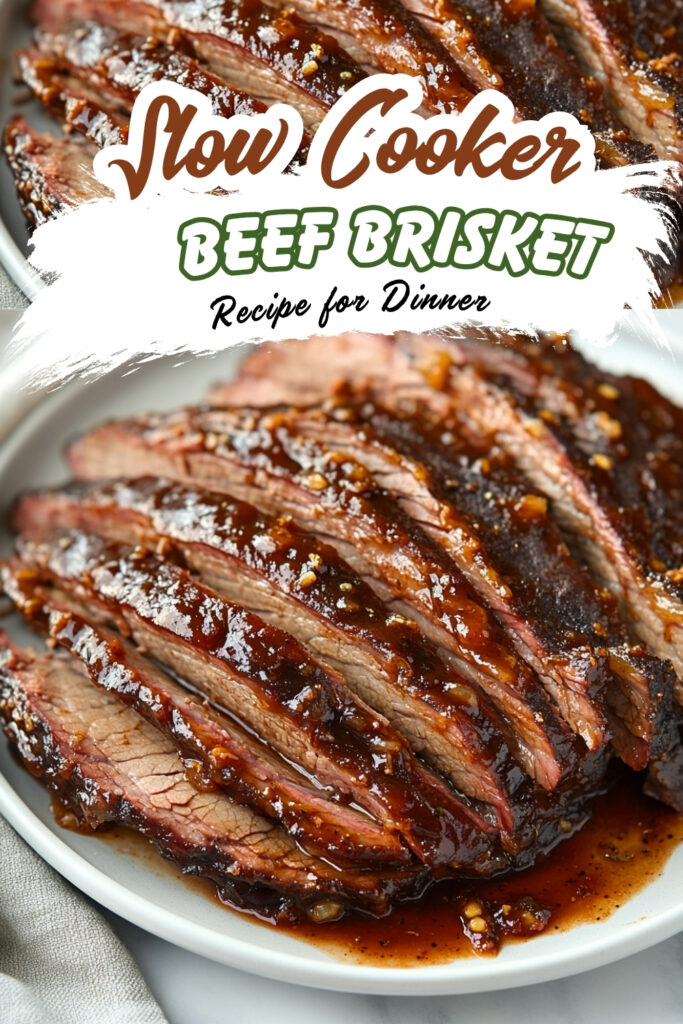
Tender slow cooker beef brisket with bold BBQ flavor, simple prep, and foolproof results. A reliable, juicy brisket recipe for any home cook.
This slow cooker beef brisket is built for reliability. It delivers consistent tenderness, deep flavor, and a structure that holds together whether you slice or chop.
I approach brisket with a balance of patience and control. This method uses a short oven step, a long slow cook, and a final broil to create texture contrast without guesswork.
The result is a brisket that feels like it came off a smoker, but with far less effort. It is repeatable, steady, and well-suited for both weeknights and gatherings.
Ingredients Needed for the Recipe
- Beef brisket (3-5 pounds) – The foundation of the dish; its connective tissue breaks down during slow cooking, creating tenderness and structure.
- Barbecue seasoning (2-4 tablespoons) – Forms a dry rub that builds a crust and anchors the flavor base before slow cooking begins.
- Salt and black pepper (1-2 teaspoons, optional) – Enhances the natural beef flavor and sharpens the seasoning balance.
- Beef broth or stock (8 ounces) – Maintains moisture in the slow cooker and supports a rich, savory cooking environment.
- Worcestershire sauce (2 tablespoons) – Adds depth and umami, reinforcing the beef’s natural savoriness.
- Reduced-sodium soy sauce (1 tablespoon) – Contributes salt and complexity without overpowering the dish.
- Mesquite liquid smoke (1 tablespoon) – Mimics traditional smoking and adds a subtle, controlled smoky layer.
- Barbecue sauce (1 cup, divided) – Provides sweetness, acidity, and a glossy finish that ties the entire dish together.
How to make Slow Cooker Beef Brisket?
Step 1 – Prepare and Season the Brisket
Preheat your oven to 425°F and line a baking sheet with foil. Trim excess fat from the brisket, leaving a thin layer for moisture retention.
Apply the barbecue seasoning evenly across all surfaces, pressing it in firmly. This step creates a base layer that will hold through the long cooking process.
Step 2 – Initial Oven Bake
Place the brisket on the prepared baking sheet and bake uncovered for 30 minutes. This stage helps set the seasoning and begins forming a light crust.
You are not cooking it through here. The goal is to develop early flavor and structure before it enters the slow cooker.
Step 3 – Build the Cooking Liquid
In the slow cooker, whisk together the beef broth, half of the barbecue sauce, Worcestershire sauce, soy sauce, and liquid smoke.
This mixture should taste balanced and slightly bold. It will mellow over time as it cooks with the brisket.
Step 4 – Slow Cook the Brisket
Transfer the brisket into the slow cooker, ensuring it sits partially submerged in the liquid. Cover and cook on low for 7 to 8 hours.
Check at the 7-hour mark by inserting a fork. It should slide in with minimal resistance, but still hold its shape.
Step 5 – Extend Cooking if Needed
If the brisket feels firm or resistant, continue cooking for an additional 1 to 2 hours. This cut requires time for connective tissue to fully break down.
Do not rush this stage. Undercooked brisket will feel tough no matter how well it is seasoned.
Step 6 – Broil for Texture
Preheat your oven to broil and line a baking sheet with foil. Transfer the cooked brisket from the slow cooker to the sheet.
Brush the top with a portion of the remaining barbecue sauce and broil for 3 to 5 minutes until the edges darken slightly.
Step 7 – Flip and Finish
Gently flip the brisket and repeat the brushing and broiling process. Watch closely to prevent burning, especially with sweeter sauces.
This step creates a caramelized exterior that contrasts with the soft interior.
Step 8 – Rest and Slice
Allow the brisket to rest for 5 minutes on a cutting board. This helps redistribute juices and improves slicing consistency.
Slice against the grain for clean cuts or chop for a more rustic texture. Return it to the slow cooker if serving later.
Why This Recipe Works
This method uses layered cooking techniques to control both flavor and texture. The initial oven step develops early structure that would not form in a slow cooker alone.
The liquid balance matters. Broth provides moisture, while sauces and seasonings build a concentrated flavor that intensifies over time without becoming overwhelming.
Cooking low and slow allows collagen to convert into gelatin. This is what transforms a tough cut into something tender while still maintaining integrity.
The final broil is not optional in my testing. It adds contrast, giving the brisket edges that are slightly crisp and deeply flavored.
How I Tested and Refined This Recipe
I started with a basic slow cooker method, skipping the oven step entirely. The result was tender but lacked depth and had a flat surface texture.
Next, I tested higher slow cooker temperatures to reduce cooking time. This led to uneven tenderness and occasional dryness, especially in leaner cuts.
I adjusted the liquid ratios several times. Too much broth diluted the flavor, while too little caused scorching at the edges.
The breakthrough came when I added the initial oven bake. It anchored the seasoning and improved the final texture significantly.
I also experimented with different finishing methods. Skipping the broil left the brisket soft but one-dimensional, while broiling added a necessary layer of contrast.
This final version reflects those adjustments. Every step serves a purpose, and removing one changes the outcome.
Common Mistakes and How to Avoid Them
- Undercooking the brisket – Leads to a tough texture; always check for fork tenderness before removing.
- Skipping the oven step – Results in weaker flavor development and less defined structure.
- Using too much liquid – Dilutes the seasoning and prevents proper flavor concentration.
- Cooking on high heat – Can cause uneven breakdown of connective tissue and dryness.
- Not slicing against the grain – Produces chewy, stringy pieces instead of tender slices.
- Over-broiling – Burns the sugars in the sauce quickly; monitor closely during this stage.
Make-Ahead, Storage, and Freezing Guidance
This brisket stores well and often improves in flavor after resting. Keep it in an airtight container in the refrigerator for up to 5 days.
Over time, the texture softens slightly as it sits in its juices. This can be beneficial for chopped or shredded applications.
For freezing, portion the brisket with some of the cooking liquid. Store in a freezer-safe container for up to 3 months.
Reheat in a 300°F oven until warmed through. Adding a small amount of liquid helps restore moisture during reheating.
Tips
- Choose the point cut if you prefer richer, more tender results.
- Let the brisket rest briefly before slicing to preserve juices.
- Use a sharp knife for clean cuts and better presentation.
- Taste the cooking liquid before adding the brisket and adjust seasoning if needed.
- Keep the lid closed during slow cooking to maintain consistent heat.
- Brush sauce lightly during broiling to avoid excessive burning.

Easy Slow Cooker Beef Brisket Recipe
Description
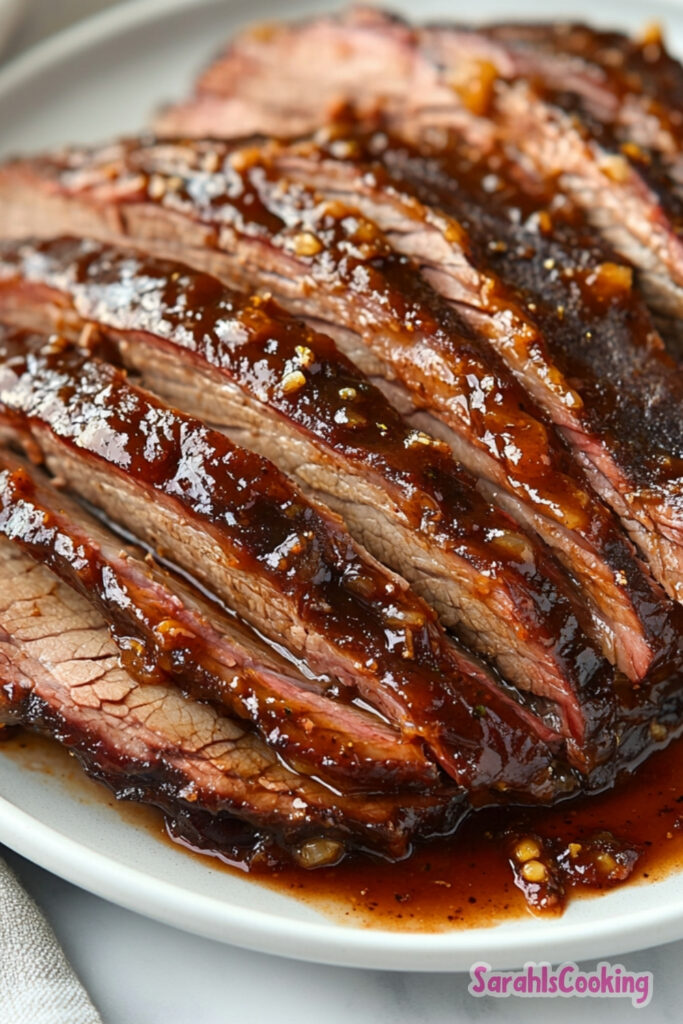
This Slow Cooker Beef Brisket gives you all the wonder of a backyard barbecue without a fancy smoker or grill! Simple to make with the crockpot doing the work, it's full of rich, smoky BBQ flavors. This tender, succulent, slow-cooked masterpiece is perfect for those days when you want a hearty meal without spending hours in the kitchen. Just set it and forget it, and by the end of the day, you'll have a mouthwatering brisket that's perfect for sandwiches, tacos, or served with your favorite sides.
ingredients
Instructions
Preheat and Season
Preheat oven to 425°F (220°C). Line a baking sheet with aluminum foil. Trim brisket of excess fat. Evenly sprinkle barbecue seasoning, salt, and black pepper over the entire surface, pressing firmly. Place on the prepared baking sheet, and bake uncovered for 30 minutes.This initial sear helps lock in flavorPrepare Slow Cooker Liquid
To a Crockpot, whisk together beef broth, 1/2 cup of the barbecue sauce, Worcestershire sauce, soy sauce, and liquid smoke.Slow Cook
Transfer the seared brisket to the Crockpot, cover, and cook on low for 7-8 hours.Low and slow yields the most tender resultsCheck for Tenderness
Pierce with a fork, and if the brisket doesn't have a tender pull, cook an additional 1-2 hours.Meat should easily shred with a fork when doneBroil for Caramelization
Preheat the oven to broil. Line a baking sheet with aluminum foil, and transfer the cooked brisket to the pan. Brush with 1/4 cup of the barbecue sauce on top, and broil 3-5 minutes or until the edges start to darken and become crispy. Gently flip the brisket, brush with remaining 1/4 cup barbecue sauce, and broil 3-5 additional minutes.Watch carefully as barbecue sauces can burn quicklyRest and Serve
Transfer brisket to a cutting board, rest 5 minutes, then slice against the grain or chop. Serve with additional barbecue sauce and your favorite sides.Slicing against the grain ensures maximum tenderness
Nutrition Facts
Servings 8
Serving Size 4 oz
- Amount Per Serving
- Calories 425kcal
- % Daily Value *
- Total Fat 20gg31%
- Saturated Fat 8gg40%
- Trans Fat 0gg
- Cholesterol 95mgmg32%
- Sodium 980mgmg41%
- Potassium 650mgmg19%
- Total Carbohydrate 22gg8%
- Dietary Fiber 1gg4%
- Sugars 16gg
- Protein 32gg64%
- Calcium 4% mg
- Iron 25% mg
* Percent Daily Values are based on a 2,000 calorie diet. Your daily value may be higher or lower depending on your calorie needs.
Note
- Choose the right cut: The point cut has more marbling and yields a more tender, juicy result. The flat cut is leaner and better for neat slices.
- Don't skip the initial bake: The 30-minute oven sear helps develop deep flavor before slow cooking.
- Broil with care: Barbecue sauces contain sugar and can burn quickly under the broiler—watch closely!
- Slice against the grain: This ensures maximum tenderness in every bite.
- Make ahead friendly: Flavors deepen overnight. Cook a day ahead, refrigerate, and reheat gently before serving.