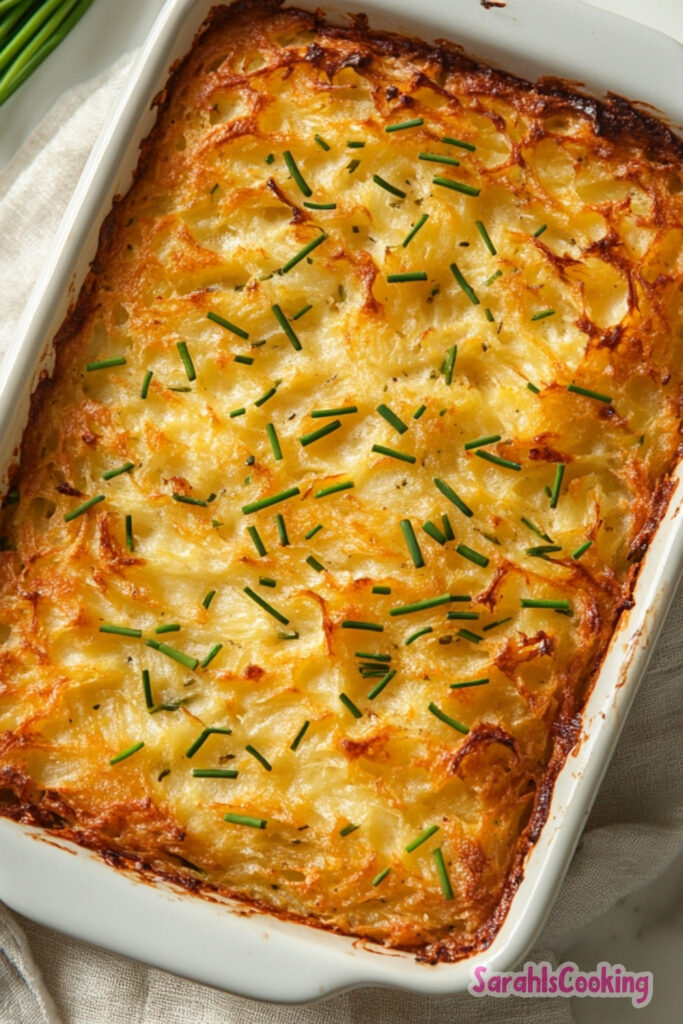
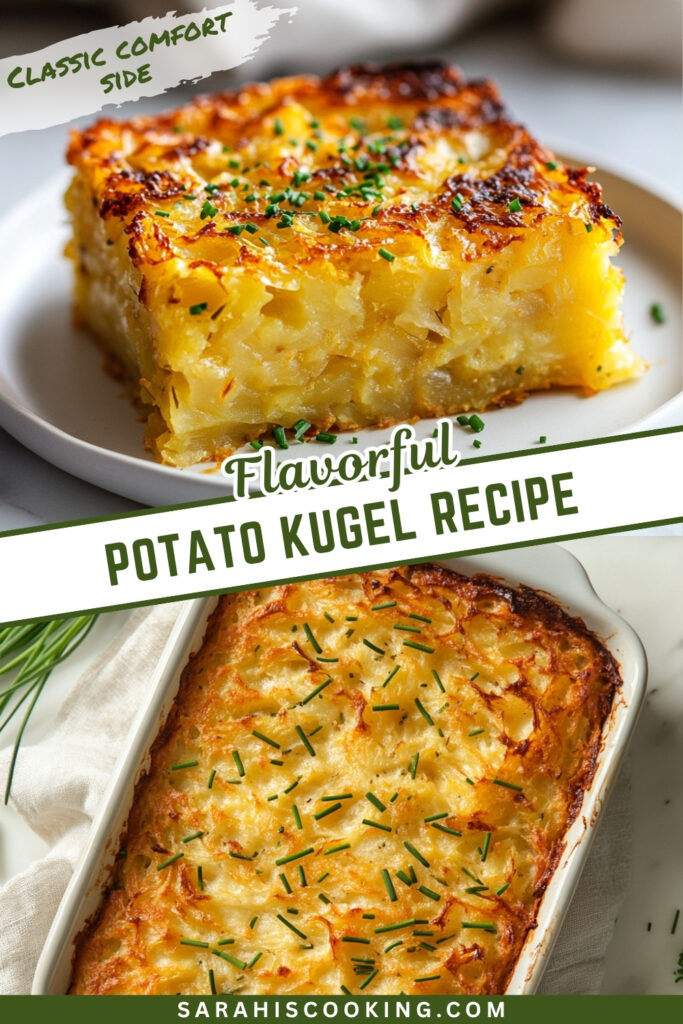
Easy Potato Kugel with crisp edges and a tender center. This reliable recipe delivers structure, flavor, and perfect texture every time.
This recipe delivers exactly what you want from a classic kugel. Crisp, deeply golden edges and a soft, cohesive center that slices cleanly every time.
I have tested versions of potato kugel that leaned too dense, too loose, or unevenly cooked. This method corrects those issues with simple, precise steps that actually matter.
The ingredients are minimal, but the execution is what builds structure and flavor. Once you understand the why behind each step, the results become consistent and repeatable.
This is the kind of recipe you can trust for both everyday meals and holiday tables without second guessing the outcome.
Ingredients Needed for the Recipe
Russet potatoes - These provide the necessary starch for structure and crispness, allowing the kugel to hold together while still forming golden edges.
Brown onion - Adds depth and mild sweetness as it cooks, blending into the potatoes and balancing the overall flavor.
Eggs - Act as the primary binder, creating a stable interior that slices cleanly without falling apart.
Kosher salt - Essential for drawing out moisture and seasoning the dense potato base properly so it does not taste flat.
Black pepper - Adds gentle warmth and contrast without overpowering the simplicity of the dish.
Olive oil or avocado oil - Helps conduct heat evenly, ensuring a crisp crust and preventing sticking in the skillet.
Chives or parsley - Provide a fresh, clean finish that cuts through the richness and adds visual contrast.
Flaked sea salt - Optional garnish that enhances texture and gives a subtle finishing crunch.
How to make Potato Kugel Recipe?
Step 1 - Prepare and Preheat
Preheat your oven to 375°F. Peel the potatoes and place them in cold water to prevent oxidation while you prep everything else.
This step is not just about timing. Keeping the potatoes submerged helps preserve their natural starch, which will later contribute to structure.
Step 2 - Grate the Potatoes and Onion
Using a box grater or food processor, finely grate the potatoes and onion. Aim for a uniform texture rather than large shreds.
Finer grating creates a more cohesive kugel, while coarse shreds lead to a looser structure. Consistency here affects the final slice.
Step 3 - Remove Excess Moisture
Transfer the grated mixture into a clean towel or nut milk bag and squeeze firmly over a bowl. Remove as much liquid as possible.
Let the liquid sit briefly, then pour it off while keeping the settled starch at the bottom. That starch is critical for binding.
Step 4 - Build the Mixture
Whisk the eggs, salt, and pepper into the reserved starch until smooth. Add the squeezed potato and onion mixture and mix thoroughly.
Make sure everything is evenly coated. Uneven mixing leads to inconsistent seasoning and weak spots in the structure.
Step 5 - Heat the Skillet
Place a cast iron skillet over medium-high heat and add the oil. Let it heat until shimmering but not smoking.
This preheating step is essential. The initial sizzle creates the base crust before the kugel even goes into the oven.
Step 6 - Transfer and Bake
Add the potato mixture to the hot skillet and spread it evenly. You should hear a clear sizzle on contact.
Drizzle a little more oil on top, then transfer to the oven. Bake for 1 hour to 1 hour 10 minutes until the top is deeply golden and edges pull away.
Step 7 - Rest and Slice
Remove from the oven and let the kugel rest for at least 15 minutes. This allows the internal structure to set properly.
Slice into squares once slightly cooled and garnish with herbs and flaked salt if desired. The slices should hold cleanly without crumbling.
Why This Recipe Works
This recipe relies on balance rather than added fillers. The combination of eggs and reserved potato starch creates a natural binding system without flour or matzo meal.
The moisture removal step concentrates flavor while preventing a soggy interior. At the same time, keeping the starch ensures the mixture does not become dry or crumbly.
Using a hot skillet changes the outcome significantly. It jump-starts crust formation, giving the kugel its signature contrast between crisp edges and soft center.
The ratio of potatoes to eggs is also intentional. Too many eggs create a dense texture, while too few lead to a fragile structure. This balance lands right in the middle.
How I Tested and Refined This Recipe
I tested this kugel with both coarse and fine grating methods. The coarse version had more texture but lacked structural integrity when sliced.
In early versions, I skipped reserving the starch, thinking the eggs would be enough. The result was noticeably looser and slightly watery in the center.
I also experimented with baking temperatures. Lower temperatures extended cooking time but reduced browning, while higher heat risked burning the edges before the center set.
The biggest improvement came from preheating the skillet properly. Without that step, the bottom stayed pale and lacked the crisp layer that defines a good kugel.
This final version reflects those adjustments. Each step is there for a reason, and removing any of them noticeably changes the outcome.
Common Mistakes and How to Avoid Them
Not squeezing enough liquid from the potatoes - leads to a soggy and undercooked center.
Discarding the potato starch - weakens the structure and causes the kugel to fall apart.
Skipping skillet preheating - prevents proper crust formation and results in a flat texture.
Using the wrong potatoes - low-starch varieties do not provide the same binding or crispness.
Cutting too soon after baking - causes the slices to break instead of holding shape.
Under-seasoning the mixture - potatoes require enough salt to bring out their flavor.
Overbaking without checking - can dry out the interior while the top becomes too dark.
Make-Ahead, Storage, and Freezing Guidance
This kugel performs well as a make-ahead dish. You can bake it a day in advance and reheat it without compromising structure.
Store leftovers in an airtight container in the refrigerator for up to four days. The texture will firm up slightly as it chills.
For reheating, use a 350°F oven and keep the kugel uncovered. This helps restore the crisp edges rather than steaming them soft.
Freezing is possible, though the texture will soften slightly after thawing. Reheat directly from frozen in the oven for best results.
Tips
Use gloves when squeezing onions to avoid lingering odor on your hands.
Grate potatoes just before mixing to preserve their starch and color.
Spread the mixture evenly to ensure consistent cooking across the pan.
Rotate the pan halfway through baking if your oven has hot spots.
Use a metal spatula for clean slicing once the kugel has rested.
Do not cover during reheating if you want to maintain crispness.
Adjust bake time slightly if using a different pan size or thickness.
This potato kugel recipe is crispy on the outside, tender in the middle, and deeply savory from grated onion, potatoes, and a properly hot skillet. If you have ever loved the crisp edges of potato rösti or latkes, kugel gives you that same comfort in a baked, sliceable form that is so much easier to serve to a crowd. It is a classic for Passover and other Jewish holidays and a must-make this season.
ingredients
3pounds russet potatoes (peeled)
1large brown onion (peeled)
4large eggs
1Tablespoon kosher salt
1/4teaspoon black pepper
3Tablespoons olive oil or avocado oil (plus extra for brushing on top)
1Tablespoon chives or parsley (finely chopped, for garnish)
Flaked sea salt (for garnish (optional))
Instructions
1
Preheat the oven to 375°F (190°C). Peel the potatoes and set into a bowl of cold water to prevent browning until ready to use.
2
With a box grater, or the grating attachment of a food processor, finely grate the potatoes. Repeat the process with the peeled onion. Optionally, you can pulse the peeled onions in the bowl of a food processor until finely chopped.
3
Transfer the potatoes and onions to a large nut milk bag or a clean kitchen towel set over a large bowl. Gather the corners of the towel and squeeze to remove as much water as possible, allowing it to drain into the bowl below. Set aside.
Tip: Use gloves to avoid onion smell on hands.
4
After a few minutes, a layer of potato starch will settle at the bottom of the bowl. Pour off the excess liquid, making sure to reserve the potato starch.
Do not skip this step - the starch helps bind the kugel!
5
Add the eggs, salt, and pepper to the bowl and whisk to combine with the reserved starch. Add the grated potatoes and onions and mix thoroughly. Set aside.
6
Heat a 10-inch cast iron skillet on the stove over medium-high heat. Add the oil, swirling to coat the skillet, before adding the potato-onion mixture. You should hear an immediate sizzle.
7
Gently spread into an even layer and then drizzle the top with more oil before transferring to the center rack of the preheated oven.
8
Let bake for 1 hour to 1 hour 10 minutes or until the top is golden brown and the sides release easily from the pan.
Watch for visual cues: deeply golden top and edges pulling away from pan.
9
Let sit for at least 15 minutes before slicing.
This helps the kugel set and slice cleanly.
10
Once the kugel is room temperature or still slightly warm, slice into squares and garnish with chives and optional flaked sea salt before serving.
Nutrition Facts
Servings 8
Serving Size 1 slice (1/8 of recipe)
Amount Per Serving
Calories212kcal
% Daily Value *
Total Fat7.1gg11%
Saturated Fat1.4gg7%
Trans Fat0gg
Cholesterol46mgmg16%
Sodium420mgmg18%
Potassium475mgmg14%
Total Carbohydrate32gg11%
Dietary Fiber3.3gg14%
Sugars2gg
Protein7gg15%
Calcium 3% mg
Iron 8% mg
* Percent Daily Values are based on a 2,000 calorie diet. Your daily value may be higher or lower depending on your calorie needs.
Note
Use russet potatoes. The starch content really does make a difference here for both texture and crispness.
Do not skip the starch. After squeezing the potatoes, let the liquid sit for a few minutes so the starch settles. Pour off the water and add that starch back into the egg mixture. It is the glue that holds everything together without any flour or matzo meal.
Get the skillet hot before adding the mixture. That immediate sizzle when the potatoes hit the pan is what starts building the crisp crust before the oven even gets involved.
Let it rest before slicing. 15 minutes makes a real difference. The kugel slices much more neatly after it has had a chance to settle.
Watch for visual cues more than the clock. The top should be deeply golden, and the edges should be pulling away from the pan. If that has not happened yet, give it more time.
Make-ahead friendly: Bake it a day ahead and reheat in a 350°F oven, uncovered, until warmed through to keep the top crisp.
Pin this recipe to share with your friends and followers.
Sarah
Food and Lifestyle Blogger
Hi, I’m Sarah, a home cook and baker who believes that good food doesn’t need to be complicated to be meaningful. This blog is where I share approachable, dependable recipes made with care — the kind of dishes you can come back to again and again.