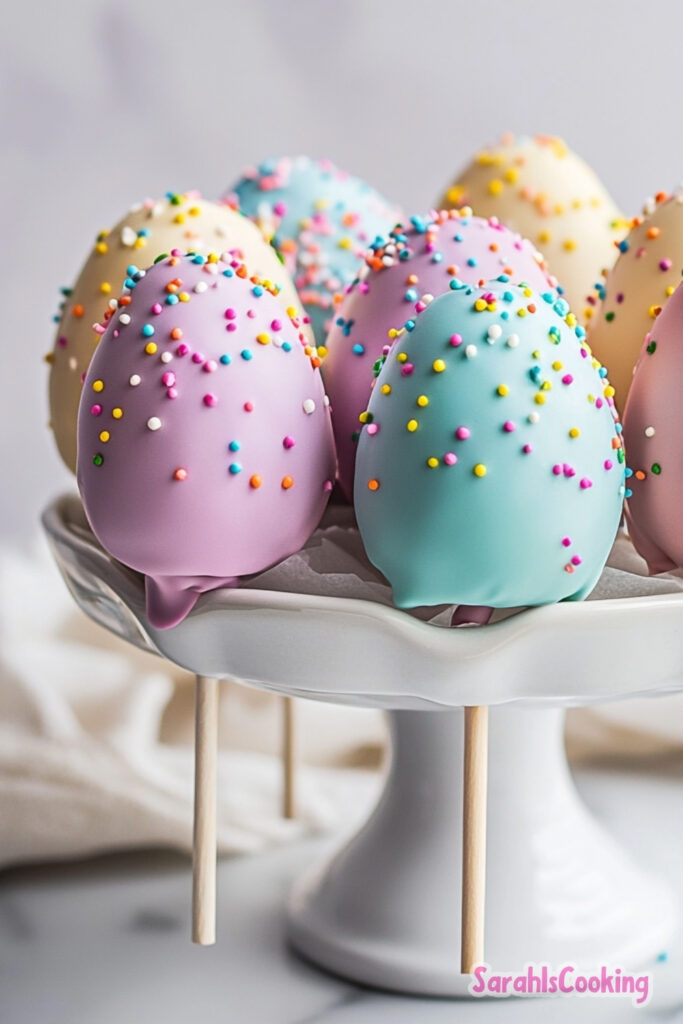
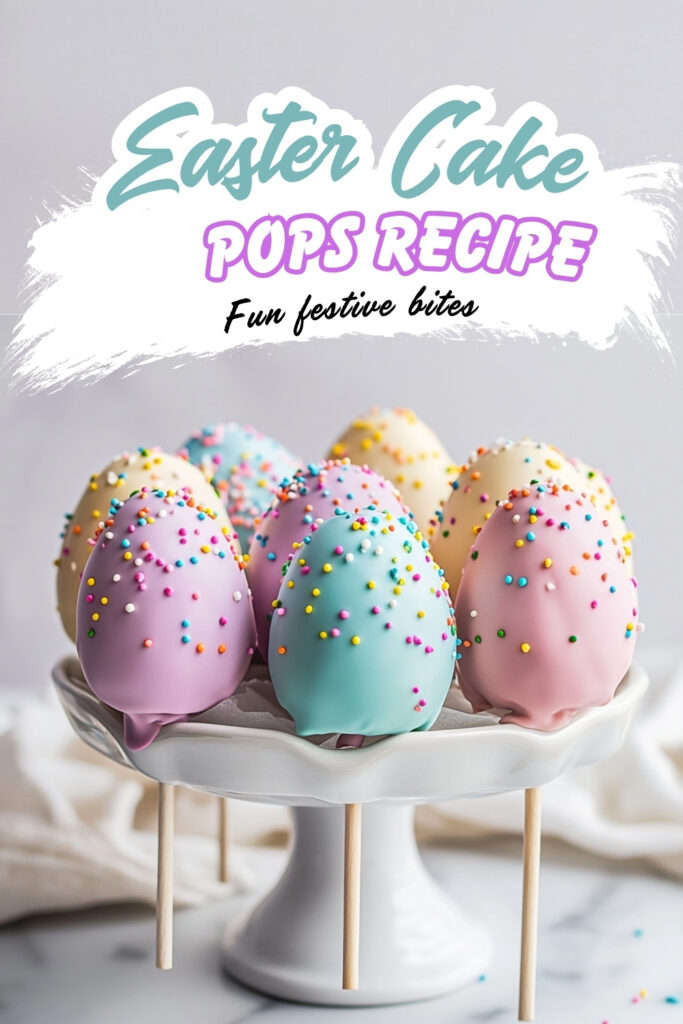
Soft, rich Easter Cake Pops made with chocolate cake, cream cheese, and pastel candy melts. A reliable, step-by-step method for perfect results.
These Easter Cake Pops are built for consistency, not guesswork. You get a rich chocolate interior, a stable structure that holds its shape, and a smooth coating that sets cleanly every time.
I approach cake pops the same way I approach any baked good. The texture must be predictable, the method repeatable, and the result worth the effort. This version checks all three boxes.
They may look decorative, but the process is grounded in simple technique. Once you understand the structure, they become far less intimidating and much more enjoyable to make.
Ingredients Needed for the Recipe
Unsalted butter - provides fat for tenderness and helps create a soft, cohesive crumb that crumbles evenly later.
Granulated sugar - sweetens and contributes to structure by supporting proper creaming and aeration.
Brown sugar - adds moisture and a slight density, which helps the cake hold together once crumbled.
Eggs - bind the batter and create structure so the cake doesn’t collapse when mixed with cream cheese.
Vanilla extract - enhances overall flavor and rounds out the chocolate base without overpowering it.
All-purpose flour - forms the structural backbone of the cake, ensuring it crumbles into fine, workable pieces.
Salt - balances sweetness and sharpens the chocolate flavor.
Baking powder - provides lift so the cake isn’t overly dense before crumbling.
Cocoa powder - builds a deep chocolate flavor and contributes to a slightly drier crumb ideal for cake pops.
Whole milk - adds moisture and helps create a smooth batter consistency.
Semi-sweet chocolate chips - melted into the batter for richness and a more cohesive crumb.
Cream cheese - binds the cake crumbs into a moldable mixture without making it greasy or too soft.
Candy melts (various colors) - create a stable outer shell that hardens quickly and holds decoration.
Sprinkles - add texture and visual contrast while adhering to the coating before it sets.
Lollipop sticks - provide structure and allow even dipping without breaking the cake.
Egg-shaped mold - ensures consistent size and shape, which improves coating and presentation.
How to make Easter Cake Pops?
Step 1 - Prepare the Baking Setup
Preheat your oven to 350°F and grease two 8-inch pans. This ensures even baking and prevents sticking, which is important for clean crumbling later.
Have your ingredients at room temperature before starting. Cold butter or eggs will disrupt the creaming process and affect texture.
Step 2 - Cream Butter and Sugars
Beat the butter, granulated sugar, and brown sugar until light and fluffy. This step incorporates air, which gives the cake structure before it is later compressed.
You should see a noticeable color change and a softer texture. Under-creaming leads to a dense, uneven crumb.
Step 3 - Add Eggs and Vanilla
Add eggs one at a time, mixing after each addition. This keeps the batter emulsified and prevents separation.
Stir in vanilla extract and mix until smooth. The batter should look cohesive, not curdled.
Step 4 - Combine Dry Ingredients
In a separate bowl, sift together flour, salt, baking powder, and cocoa powder. This removes lumps and ensures even distribution.
Gradually add the dry mixture to the batter, alternating with milk. Mix gently to avoid overworking the gluten.
Step 5 - Incorporate Melted Chocolate
Melt the chocolate chips in short intervals, stirring between each. Avoid overheating, as burnt chocolate will affect flavor and texture.
Fold the melted chocolate into the batter until fully combined. The batter should be smooth and slightly thick.
Step 6 - Bake and Cool the Cake
Divide the batter evenly into prepared pans and bake for 30 to 35 minutes. A toothpick should come out clean when done.
Allow the cake to cool completely before handling. Warm cake will create a sticky, unworkable mixture.
Step 7 - Crumble and Bind
Crumble the cooled cake into fine pieces using your hands. Avoid large chunks, as they make shaping uneven.
Add cream cheese and mix until the texture resembles a soft dough. It should hold together when pressed without being wet.
Step 8 - Shape and Freeze
Press the mixture firmly into an egg-shaped mold. Compacting the mixture helps eliminate air pockets.
Freeze for about 5 minutes, just until firm. Over-freezing can cause cracking when dipping.
Step 9 - Insert Sticks
Dip each stick into melted candy before inserting it halfway into the cake. This acts as glue and prevents slipping.
Work quickly so the candy doesn’t harden before insertion. Stability here is key for clean dipping.
Step 10 - Coat with Candy Melts
Dip each cake pop into melted candy coating or spoon it over evenly. The coating should fully cover without pooling.
Let excess drip off before placing on parchment. A thin, even layer sets better than a thick one.
Step 11 - Decorate and Set
Add sprinkles immediately while the coating is still wet. Once it sets, decorations won’t adhere properly.
Refrigerate briefly to set the coating, then allow to rest at room temperature before serving.
Why This Recipe Works
This recipe is built on balance. The cake itself is moist but not overly soft, which is essential when it needs to be crumbled and reshaped.
The addition of cream cheese creates a cohesive mixture without making it greasy. It binds the crumbs while maintaining structure.
The candy coating acts as a firm shell. It seals in moisture and provides contrast to the soft interior, which is key to the final texture.
How I Tested and Refined This Recipe
I started with a standard chocolate cake, but the first version was too soft. When mixed with cream cheese, it became overly sticky and difficult to shape.
Reducing moisture and increasing structure made a noticeable difference. The cake needed to crumble cleanly rather than clump.
I also tested different ratios of cream cheese. Too much made the pops heavy, while too little caused cracking. The final balance creates a dough that holds without collapsing.
The coating process required adjustment as well. Thicker coatings looked appealing but cracked as they set. A thinner, controlled dip proved more reliable.
Common Mistakes and How to Avoid Them
Using warm cake - leads to a sticky mixture that won’t hold shape. Always cool completely.
Adding too much cream cheese - creates a soft, greasy dough that slides off the stick.
Skipping the freeze step - results in fragile shapes that break during dipping.
These easy Easter Cake Pops are made with a rich chocolate cake, covered in pastel chocolate melts, and decorated with sprinkles. Perfect for Easter celebrations, these adorable egg-shaped treats are fun to make with kids and delicious enough to impress guests. Sweet, moist, and beautifully decorated—these cake pops are a festive springtime favorite!
ingredients
Cake
3/4cup unsalted butter (1.5 sticks, softened)
1cup granulated sugar
2/3cup brown sugar (packed)
3large eggs (at room temperature)
1teaspoon pure vanilla extract
2 1/2cups all-purpose flour
1/4teaspoon salt
1teaspoon baking powder
2tablespoons unsweetened cocoa powder
1/3cup whole milk (at room temperature)
1cup semi-sweet chocolate chips
8oz cream cheese (softened)
Coating & Decoration
1cup candy melts per color (4 pastel colors recommended)
sprinkles of choice (for decoration)
lollipop sticks (for serving)
Easter egg silicone mold (6-cavity recommended)
Instructions
Chocolate Cake
1
Preheat the oven to 350°F (175°C) and grease two 8-inch cake pans with baking spray.
2
In a standing mixer, cream the butter with both sugars. Mix until light and fluffy, about 2-3 minutes on medium speed. Add the eggs, one at a time, mixing after each addition. Mix in vanilla extract.
3
In a large bowl, sift together the dry ingredients (flour, salt, baking powder, and cocoa powder). In three additions, add the dry ingredients to the batter, alternating with the milk and mixing between each addition. Mix until just combined. Try not to overmix.
4
Melt the chocolate chips in the microwave in 30-second intervals, stirring between each. Make sure you do not burn it.
5
Once melted, fold the chocolate into the cake batter. Divide the batter evenly between the two prepared pans.
6
Bake for 30-35 minutes or until a toothpick inserted in the center comes out clean.
7
Remove the cake from the oven and let it cool for 15 minutes in the pan, then transfer to a wire rack to cool completely.
Easter Cake Pops Assembly
8
In small individual bowls, melt your candy melts according to package directions so they are ready to use for coating.
9
Crumble the completely cooled cake into a large bowl. Add the softened cream cheese and mix with your hands until perfectly combined and the mixture holds together when rolled.
10
Press the cake mixture firmly into your egg-shaped silicone mold. Freeze until firm, about 5 minutes.
11
Remove cake eggs from the mold. Dip the tip of each lollipop stick about 1/2 inch into melted candy, then insert into one end of each cake egg no more than halfway. Repeat for all pops.
12
Dip each Easter egg cake pop into your chosen melted candy coating, or use a spoon to drizzle chocolate over the cake pop. Allow excess to drip off.
13
Place coated cake pops on a parchment-lined baking sheet. Immediately add sprinkles and decorations while the coating is still wet.
14
Refrigerate for 5 minutes to set the coating. Let stand at room temperature until ready to serve. Enjoy!
Nutrition Facts
Servings 18
Serving Size 1 cake pop
Amount Per Serving
Calories375kcal
% Daily Value *
Total Fat18gg28%
Saturated Fat11gg56%
Trans Fat0gg
Cholesterol55mgmg19%
Sodium150mgmg7%
Potassium120mgmg4%
Total Carbohydrate45gg15%
Dietary Fiber2gg8%
Sugars35gg
Protein5gg10%
Calcium 4% mg
Iron 6% mg
* Percent Daily Values are based on a 2,000 calorie diet. Your daily value may be higher or lower depending on your calorie needs.
Note
Make-ahead tip: Cake pops can be made up to 2 days ahead and stored in an airtight container in the refrigerator.
Alternative molding method: Add a thick layer of melted chocolate into your mold using a brush. Place the lollipop stick about ½ inch into the mold, let it set, add your cake mixture, then cover with another layer of chocolate. Let set completely before removing.
No mold? No problem! Roll cake mixture into egg shapes by hand, then chill before dipping.
Storage: Keep refrigerated in an airtight container for up to 5 days. Let come to room temperature for 10 minutes before serving for best texture.
Pin this recipe to share with your friends and followers.
Sarah
Food and Lifestyle Blogger
Hi, I’m Sarah, a home cook and baker who believes that good food doesn’t need to be complicated to be meaningful. This blog is where I share approachable, dependable recipes made with care — the kind of dishes you can come back to again and again.