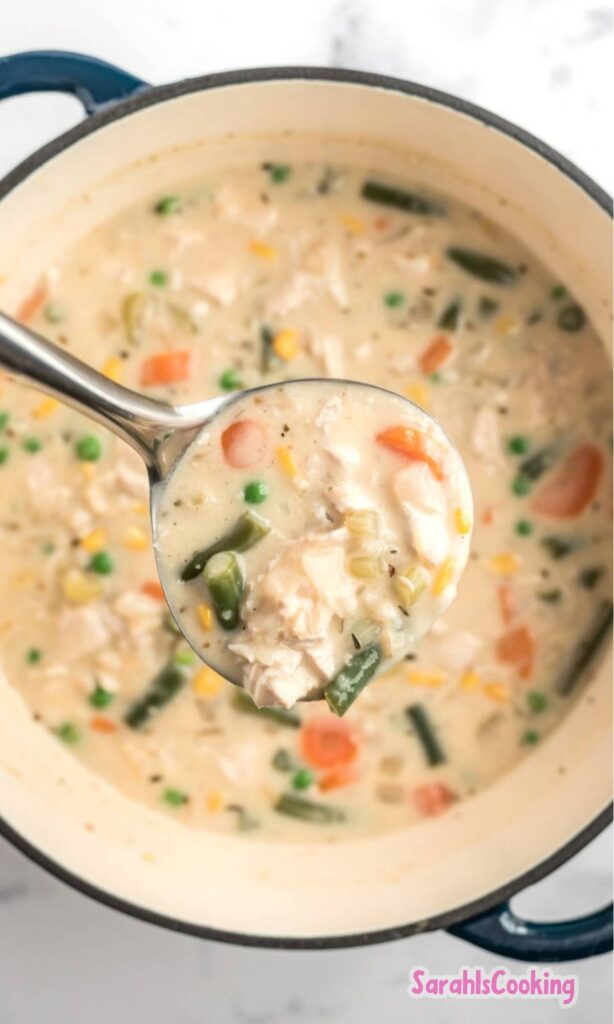
There's something inherently cozy about a bowl of creamy chicken and wild rice soup. This recipe combines tender chicken, hearty wild rice, and a rich, velvety broth that delivers deep comfort in every spoonful. The careful balance of aromatic vegetables, earthy herbs, and bright lemon creates a soup that feels both nourishing and special.
I developed this version to be approachable for weeknight cooking while still delivering the complex, developed flavor you'd expect from a soup that simmered all day. The technique ensures reliable results whether you're an experienced cook or just building confidence in the kitchen.
- I'll share the small adjustments I made during testing to get the texture just right.
- Understanding why each ingredient matters will help you troubleshoot if needed.
- Serving with hard-boiled eggs as garnish.
Who This Recipe Is For
This creamy chicken and wild rice soup is designed for cooks who want a reliable, satisfying meal that comes together in about an hour. It's substantial enough to serve as a main course but flexible enough to adapt to what you have on hand.
If you're someone who appreciates a soup with texture and body rather than a thin broth, this recipe will meet your expectations. The wild rice adds chewiness, the vegetables provide tenderness, and the chicken keeps everything hearty.
- First-time soup makers will appreciate the clear visual cues at each stage.
- More experienced cooks can use the ingredient insights to customize confidently.
- Success looks like a thick, creamy soup where every component is perfectly cooked.
Why Creamy Chicken And Wild Rice Soup Works
The structure of this soup relies on building flavor in layers. Sautéing the vegetables first develops their natural sweetness, then simmering them with herbs infuses the broth before the chicken even goes in. Adding the chicken later prevents it from overcooking and becoming tough.
The wild rice blend provides essential texture contrast against the creamy base. Unlike white rice, which can become mushy, wild rice maintains its integrity during simmering and adds a nutty depth that complements the rich broth. The lemon at the end isn't optional—it cuts through the cream and brightens every other flavor.
- The intentional ratio of vegetables to rice to chicken ensures every bite has variety.
- Adding the dairy after the chicken is fully cooked prevents curdling.
- For another hearty one-pot meal, you might enjoy Turkey Meatloaf Recipe with roasted vegetables on the side.
Ingredient Insights and Function
Each ingredient in this creamy chicken and wild rice soup plays a specific structural role. Carrots, celery, and onions form the aromatic base—they provide sweetness and savory depth that can't be achieved with seasonings alone. Slicing rather than dicing the onions gives them more presence in the finished soup.
The wild rice blend offers more than just texture. Its nutty flavor stands up to the cream and herbs, while brown rice in the blend absorbs broth beautifully. For the roux, butter and flour work together to create stability in the dairy base, preventing separation and giving the soup its characteristic velvety mouthfeel.
- If you substitute brown rice, expect slightly softer grains and a shorter cooking time.
- Fresh rosemary and thyme can replace dried, but add them later to preserve their brightness.
- Understanding thickeners might lead you to Low Carb Bread for gluten-free alternatives.
Step-by-Step Success Guidance for Creamy Chicken And Wild Rice Soup
Preparation Phase
Before you turn on the heat, chop all your vegetables and measure your ingredients. This soup moves quickly once started, and having everything ready prevents rushed decisions that can lead to mistakes. Cut the carrots and celery into similarly sized pieces so they cook evenly.
Zest your lemon before juicing it—this is much easier with a whole fruit. Cube the chicken last and keep it refrigerated until you're ready to add it to the pot. If using rotisserie chicken, shred it and set aside to add at the very end.
Execution Phase
When sautéing the vegetables, watch for the onions to become translucent and the carrots to just yield to a fork. This takes about 5-7 minutes and establishes the flavor foundation. Seasoning at this stage with salt and pepper draws moisture from the vegetables and builds depth from the bottom up.
After adding the stock and rice, maintain a gentle simmer rather than a rolling boil. Bubbles should break the surface occasionally but not vigorously. This gentle cooking allows the rice to absorb flavor without bursting and becoming starchy. When you add the chicken, spread the pieces throughout the pot so they're not clumped together.
Finishing and Doneness Cues
The chicken is done when it's opaque throughout and registers 165°F on an instant-read thermometer. The rice should be tender with a slight chew—it shouldn't crunch when bitten. Before adding the dairy and roux, taste the broth and adjust seasoning; the cream will mute saltiness slightly.
The roux should cook for at least a minute to eliminate the raw flour taste. When you whisk it into the soup, you'll see the liquid transform almost immediately from brothy to creamy. A final gentle simmer brings everything together without boiling the dairy.
- I learned through testing that adding the roux too quickly causes lumps—slow and steady wins.
- Visual checkpoint: the soup should coat the back of a spoon when ready.
- The lemon zest brightens considerably after resting, so don't skip it even if soup seems flavorful.
How I Tested and Refined Creamy Chicken And Wild Rice Soup
My first few attempts at this soup yielded broth that was either too thin or separated into a greasy mess. I tested different ratios of cream to milk and found that using both gives richness without heaviness. The whole milk provides body while the whipping cream adds luxury—using only cream made the soup cloying.
The biggest breakthrough came when I started adding the lemon at the very end. Initially, I added it with the stock, and the lemon flavor essentially disappeared during simmering. Zesting and juicing fresh at the finish line keeps that bright, lifting quality that makes the soup so satisfying. I also discovered that celery seed enhances the celery flavor without requiring more celery, which can release too much water.
- I tested wild rice against brown rice and landed on the blend for best texture contrast.
- The roux method proved more stable than adding flour directly, which created lumps.
- For another tested and refined recipe, look at French Toast Recipe for breakfast inspiration.
Common Mistakes When Making Creamy Chicken And Wild Rice Soup
Adding the dairy before the chicken is fully cooked often leads to curdling. The acid from the lemon and the heat can cause milk proteins to seize up when chicken releases additional liquid. Always verify the chicken is done before stirring in the milk, cream, and lemon.
Another frequent error is overcooking the wild rice. Different blends have varying cooking times, and leaving the soup on the heat after the rice is tender will turn it mushy. If you're meal prepping, consider cooking the rice separately and adding it to individual servings. This also prevents the rice from absorbing too much broth overnight.
- Skipping the roux step results in thin soup that doesn't coat ingredients properly.
- Using pre-shredded carrots can introduce excess moisture and less sweetness than fresh.
- If soup becomes too thick upon reheating, thin with additional stock or milk.
- For make-ahead meal prep strategies, Breakfast Casserole offers similar planning benefits.
Make-Ahead, Storage, and Freezing Guidance
This creamy chicken and wild rice soup actually improves after a few hours in the refrigerator. The flavors meld and deepen, with the herbs and lemon becoming more integrated. For best results, make it in the morning and reheat gently for dinner.
When storing, keep in mind that the rice will continue absorbing liquid. The soup will thicken considerably overnight, so add a splash of stock or milk when reheating to restore the original consistency. Reheat slowly over medium-low heat, stirring occasionally, and avoid boiling to preserve the creamy texture.
Freezing is successful if you plan ahead. The soup base freezes beautifully without the rice—portion the broth, chicken, and vegetables into containers, then add freshly cooked rice after thawing and reheating. This method ensures the rice retains its texture rather than becoming mushy.
- Store in airtight containers for up to four days in the refrigerator.
- For frozen soup without rice, consume within three months for best quality.
- Garnish with fresh herbs after reheating to restore brightness.
- A crusty bread pairing like sourdough makes this soup a complete meal, similar to serving Bruschetta Recipe alongside.