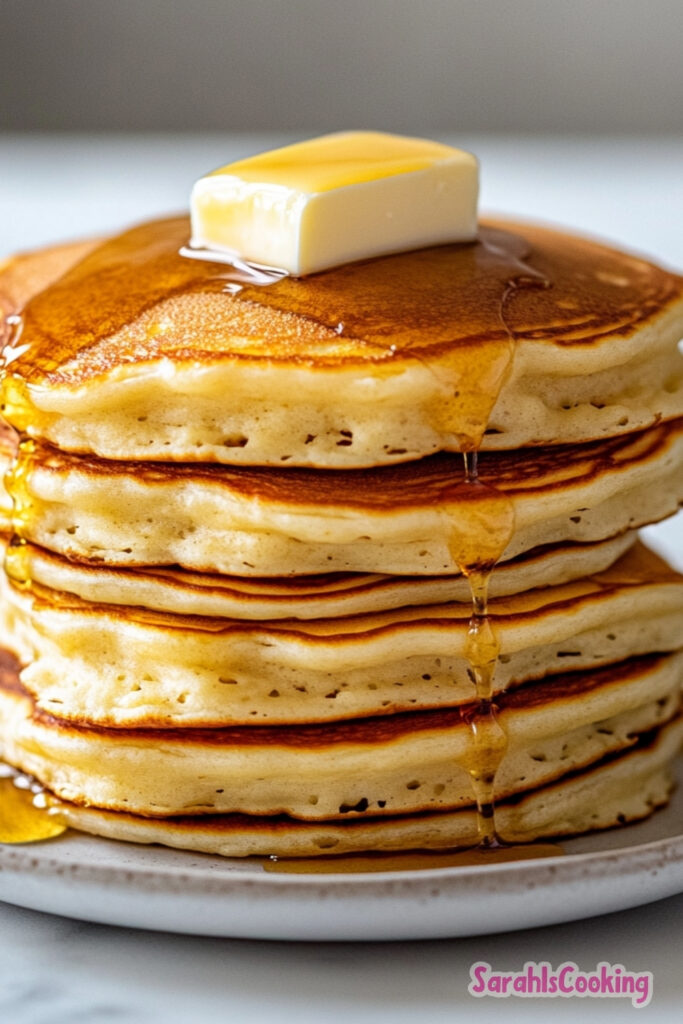
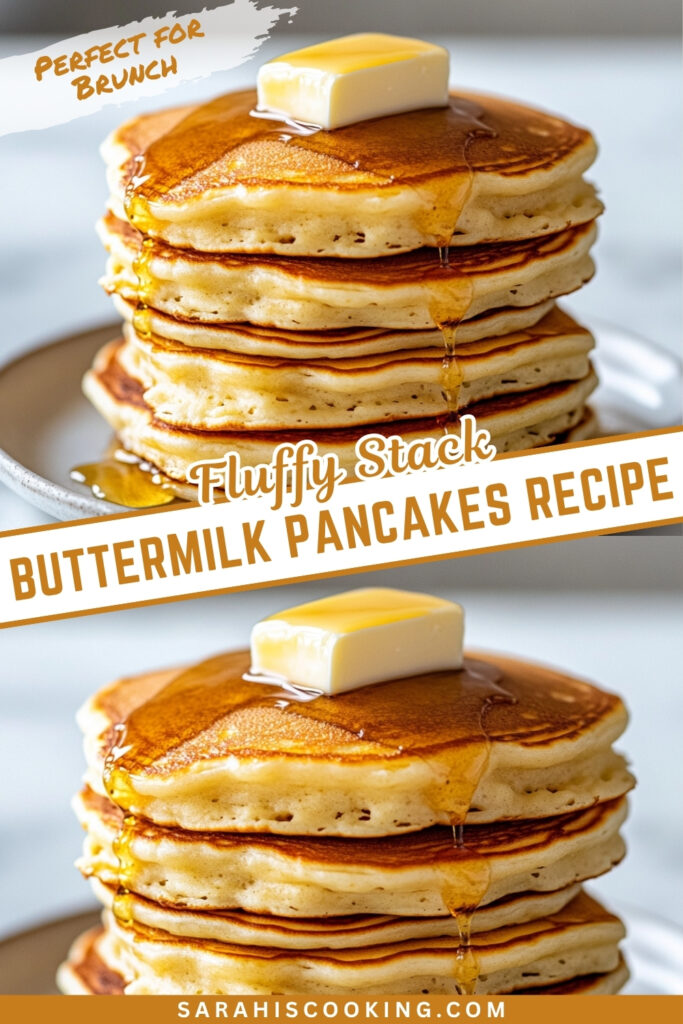
I don’t share a pancake recipe unless I know it will work every single time. These buttermilk pancakes are soft in the center, lightly crisp at the edges, and hold their structure without feeling heavy. They’re built on balance, not shortcuts.
I tested this recipe with a very specific goal in mind: a pancake that feels tender the second it hits your tongue but still has enough body to stack high. That meant dialing in ingredients, ratios, and technique carefully.
If you follow the method as written, you’ll get thick batter, even cooking, and pancakes that don’t fall flat or turn rubbery. This is the kind of recipe you come back to because it simply works.
Ingredients Needed for the Recipe
All-purpose flour - Provides the base structure and determines how the pancakes hold together without becoming dense.
Eggs (slightly whisked) - Add richness and help bind the batter while contributing to a soft, stable crumb.
Buttermilk - Brings acidity that tenderizes the gluten and reacts with leaveners for lift and softness.
Salt - Enhances overall flavor and balances the sweetness so the pancakes don’t taste flat.
Baking powder - Creates immediate lift for lightness during cooking.
Baking soda - Reacts with the buttermilk to add additional rise and improve texture.
Sugar - Adds subtle sweetness and helps with browning for that golden exterior.
Unsalted butter (melted) - Adds moisture and richness while supporting a tender, melt-in-your-mouth texture.
How to make Buttermilk Pancakes?
Step 1 - Preheat the Cooking Surface
Set a griddle or pan over medium heat or about 350°F. Let it heat fully before adding anything. A properly heated surface ensures even browning without burning the outside too quickly.
Lightly butter the surface right before cooking. Too much fat can cause uneven edges, so keep it thin and controlled.
Step 2 - Mix the Dry Ingredients
In a bowl, whisk together flour, salt, baking powder, baking soda, and sugar. This distributes the leavening agents evenly so the pancakes rise uniformly.
Take a moment here to break up any clumps. Uneven dry ingredients can lead to inconsistent texture later.
Step 3 - Combine the Wet Ingredients
In a separate bowl, whisk the eggs and buttermilk until smooth. This step ensures the eggs are evenly incorporated before they hit the flour.
You don’t need to overmix here. Just enough to combine fully and create a cohesive liquid base.
Step 4 - Bring Batter Together
Make a well in the center of the dry ingredients and pour in the wet mixture. Using a wooden spoon or spatula, gently stir until just combined.
The batter should look slightly lumpy with a few streaks of flour. That’s exactly what you want for soft pancakes.
Step 5 - Fold in the Butter
Once the batter is almost mixed, add the melted butter and fold it in gently. This timing prevents the butter from weighing down the structure.
The final batter will be thick, almost too thick. That density is key to achieving that soft, rich interior.
Step 6 - Portion and Shape
Scoop about 1/3 cup of batter onto the hot griddle. Use the back of a spoon to gently spread it slightly if needed.
Because the batter is thick, it won’t spread much on its own. This helps control the shape and thickness.
Step 7 - Watch for Visual Cues
Let the pancakes cook until bubbles form on the surface and begin to pop. This is your signal that the bottom is set.
Don’t rush this stage. Flipping too early will cause uneven cooking and a dense interior.
Step 8 - Flip and Finish Cooking
Flip gently and cook the second side until golden brown. Lightly press the center to check doneness. It should spring back without releasing wet batter.
Once cooked through, remove immediately and serve warm. Holding them too long on heat can dry them out.
Why This Recipe Works
This recipe relies on the interaction between buttermilk and dual leavening agents. Baking soda reacts with acidity for lift, while baking powder provides consistent rise throughout cooking.
The thick batter plays a major role. It slows spreading, which creates height and allows the interior to stay soft while the exterior develops a light crust.
Minimal mixing protects the gluten structure. Instead of becoming tough, the pancakes stay tender and cohesive, which is exactly what gives that melt-in-your-mouth texture.
How I Tested and Refined This Recipe
I worked through multiple variations of this recipe, adjusting both ingredients and method. I tested oil versus butter, different flour treatments, and even separated eggs to try whipped whites.
The whipped egg white method created pancakes that were too airy and fragile. They lacked the soft richness I was aiming for and didn’t hold up well once stacked.
I also experimented with mixing techniques. Overly smooth batter consistently produced tougher pancakes, while slightly lumpy batter gave the best results every time.
The final version came down to restraint. Less mixing, thicker batter, and a balance between baking soda and powder created a pancake that feels light but still grounded.
Common Mistakes and How to Avoid Them
Overmixing the batter - This develops gluten and leads to tough, rubbery pancakes. Stop mixing while there are still small lumps.
Using low heat - Pancakes will dry out before they brown properly. Keep the heat at medium for balanced cooking.
Flipping too early - Without surface bubbles, the structure isn’t set and the pancake will collapse.
Thin batter - If your batter spreads too easily, the pancakes will turn flat instead of fluffy.
Skipping real buttermilk - Substitutes lack thickness and can affect both texture and rise.
Overcrowding the pan - This drops the temperature and leads to uneven cooking.
Make-Ahead, Storage, and Freezing Guidance
Cooked pancakes can be stored in an airtight container in the refrigerator for up to 4 to 5 days. They will soften slightly but still reheat well.
For longer storage, freeze them in a single layer first, then transfer to a freezer-safe bag. This prevents sticking and keeps their shape intact.
They can be reheated directly from frozen in a toaster, microwave, or oven. The toaster gives the best texture, restoring a bit of crispness on the edges.
Tips
Let the batter rest for a few minutes before cooking to allow hydration.
Use a measuring scoop for evenly sized pancakes.
Keep cooked pancakes warm in a low oven if making a large batch.
Wipe and re-butter the pan between batches for consistent browning.
Sprinkle add-ins directly onto the batter after pouring for better distribution.
Serve immediately for the best texture and flavor.
Fluffy, golden, and melt-in-your-mouth delicious — these buttermilk pancakes are the ultimate breakfast indulgence. Made with tangy buttermilk for that perfect tender crumb, they cook up with crisp edges and pillowy centers. Stack 'em high, drizzle with warm buttermilk syrup, and prepare for the best pancakes of your life.
ingredients
2Cups Flour (sifted, all-purpose)
2Tablespoons Sugar (granulated)
2teaspoons Baking Powder
1teaspoon Baking Soda
1teaspoon Salt
2 Eggs (slightly whisked)
2Cups Buttermilk (full-fat recommended)
2Tablespoons Butter (unsalted and melted)
Instructions
1
Preheat a griddle or large skillet to medium heat (about 350°F / 175°C).
2
In a medium bowl, whisk together the flour, sugar, baking powder, baking soda, and salt until well combined.
3
In a separate bowl, whisk together the eggs and buttermilk until smooth.
4
Make a well in the center of the dry ingredients and pour in the wet mixture. Switch to a wooden spoon and stir until almost completely combined.
Do not overmix; a few streaks of flour should remain
5
Once the flour is almost incorporated, add the melted butter and gently fold together until just combined.
Batter will be very thick - this is correct!
6
Lightly butter the griddle. Scoop 1/3 cup of batter onto the griddle for each pancake, spreading slightly with the back of a spoon if needed.
7
Cook until bubbles begin to form on the surface and the edges look set, about 2-3 minutes. Flip and cook until golden brown on the other side, about 1-2 minutes more.
8
Serve immediately with your favorite toppings like buttermilk syrup, fresh berries, or maple syrup and butter.
Nutrition Facts
Servings 8
Serving Size 2 pancakes
Amount Per Serving
Calories206kcal
% Daily Value *
Total Fat7.5gg12%
Saturated Fat4gg20%
Trans Fat0gg
Cholesterol55mgmg19%
Sodium580mgmg25%
Potassium180mgmg6%
Total Carbohydrate29gg10%
Dietary Fiber1gg4%
Sugars6gg
Protein7gg15%
Calcium 15% mg
Iron 10% mg
* Percent Daily Values are based on a 2,000 calorie diet. Your daily value may be higher or lower depending on your calorie needs.
Note
Batter consistency: This batter should be very thick - that's exactly how it should be! Don't add extra liquid.
Don't overmix: Mix just until a few streaks of flour remain. Overmixing develops gluten and makes pancakes tough.
Buttermilk substitute: If needed, mix 1 cup milk with 1 tsp white vinegar or lemon juice, let sit 5 minutes. But real buttermilk is best!
Add-ins: Sprinkle chocolate chips, blueberries, or nuts onto pancakes right after pouring batter on griddle.
Keywords:
buttermilk pancakes, fluffy pancakes, homemade pancakes, breakfast pancakes, easy pancake recipe, melt in your mouth pancakes
Pin this recipe to share with your friends and followers.
Sarah
Food and Lifestyle Blogger
Hi, I’m Sarah, a home cook and baker who believes that good food doesn’t need to be complicated to be meaningful. This blog is where I share approachable, dependable recipes made with care — the kind of dishes you can come back to again and again.