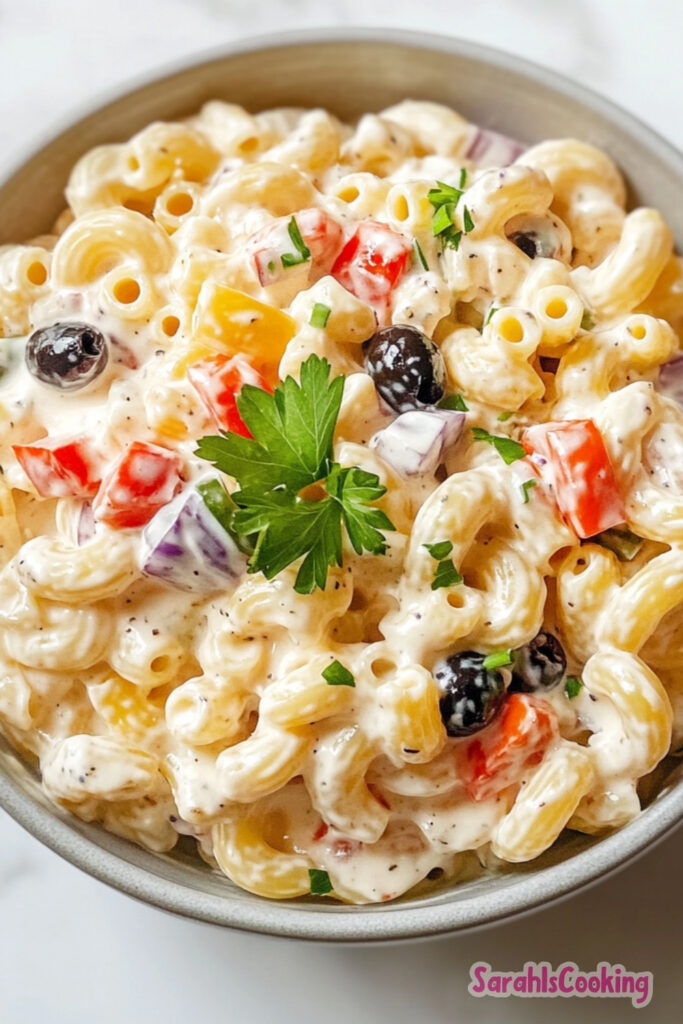
I’ve made a lot of macaroni salad over the years, and most of it missed the mark in one way or another. Too heavy, too sharp, or just oddly flat. This version is the one I come back to because it lands exactly where it should.
The texture is balanced, the flavor is layered without being loud, and it holds up in the fridge without turning into a thick, sticky mess. It’s the kind of recipe that works the same way every time if you follow the method closely.
I approach this like I do baking. Small adjustments matter, and timing matters even more. When each step is done with intention, the result is a macaroni salad that feels complete and reliable.
Who This Recipe Is For
This recipe is for anyone who wants a dependable, classic macaroni salad without guesswork. If you’ve been burned by overly sweet or overly tangy versions, this will feel more controlled and balanced.
It works well for beginners because the steps are straightforward, but it also gives enough room for experienced cooks to adjust details confidently. You don’t need special equipment or techniques, just attention to timing and texture.
If you care about consistency and want something you can serve at gatherings without second-guessing, this fits right in. It’s built to be repeatable, not trendy.
Why This Recipe Works
The structure of this salad comes down to contrast. Soft pasta, creamy dressing, and crisp mix-ins all need to stay distinct while still feeling cohesive. That balance is what makes it satisfying instead of heavy.
The dressing is intentionally thinned with milk so it coats instead of clumps. That small adjustment prevents the salad from becoming dense, especially after chilling.
Acidity is controlled through both vinegar and pickle juice, which gives brightness without overwhelming the base. A touch of sugar rounds it out so nothing feels sharp or unfinished.
Ingredients Needed for the Recipe
Elbow macaroni - Provides the base structure and holds the dressing in its curves for even coating.
Mayonnaise - Creates the creamy body of the dressing and binds everything together.
Vinegar - Adds controlled acidity to balance the richness of the mayonnaise.
Sugar - Softens the acidity and enhances overall flavor without making the salad sweet.
Salt - Brings out the flavor of both the pasta and the dressing.
Black pepper - Adds mild heat and depth without overpowering the salad.
Milk - Thins the dressing to a pourable consistency so it distributes evenly.
Pickle juice - Adds a layered acidity with subtle sweetness and complexity.
Roasted red peppers - Provide softness and a slightly sweet contrast to the tangy dressing.
Black olives - Add a briny, savory element that deepens the flavor profile.
Sweet or spicy pickles - Bring crunch, acidity, and a slight kick depending on the type used.
Green onions - Add freshness and a mild bite that cuts through the creaminess.
Ingredient Insights and Function
The macaroni itself matters more than people think. Overcooked pasta will absorb too much dressing and turn soft after chilling. Slightly firm pasta holds its shape and keeps the texture balanced.
Mayonnaise is the backbone here, but not all brands behave the same. Thicker versions may require a bit more milk to loosen, while lighter ones can make the dressing too thin if you’re not careful.
If you swap vinegar types, the flavor shifts noticeably. Red wine vinegar is softer, while distilled vinegar is sharper. Using too much of a strong vinegar can push the salad into a harsh, acidic direction.
Pickles are flexible, but they change the overall tone. Sweet pickles make the salad more rounded, while spicy ones add a sharper edge. Skipping them entirely removes both crunch and acidity, which leaves the salad flat.
Olives and roasted peppers might seem optional, but they build depth. Without them, the salad leans too heavily on the dressing for flavor and loses complexity.
How to make Best Macaroni Salad?
Step 1 - Cook the Pasta Properly
Bring a pot of lightly salted water to a boil and cook the macaroni according to the package instructions. Aim for just past al dente, where it’s tender but still holds shape.
Drain immediately and rinse under cold water to stop the cooking. This step also removes excess starch, which helps prevent the pasta from sticking together later.
Step 2 - Cool the Pasta Completely
After rinsing, let the pasta sit until it’s fully cooled. Warm pasta will absorb too much dressing too quickly and can throw off the final texture.
Spread it slightly if needed so it cools evenly. This step is simple, but skipping it leads to uneven coating and a heavier result.
Step 3 - Build the Dressing
In a separate bowl, mix mayonnaise, vinegar, sugar, salt, and black pepper. Stir until smooth and fully combined before adding any liquid.
Add milk gradually until the dressing becomes pourable. It should flow easily but still have body, not watery or thin.
Step 4 - Adjust the Flavor Balance
Add a small splash of pickle juice and stir. Taste carefully and adjust with more sugar, salt, or vinegar as needed.
This is your main control point. The dressing should taste slightly stronger than you want the final salad to be, since it will mellow after mixing and chilling.
Step 5 - Combine Pasta and Dressing
Place the cooled macaroni in a large bowl and add about three-fourths of the dressing. Toss gently until everything is evenly coated.
Hold back the remaining dressing for later. This prevents over-saturating the salad and keeps the texture light.
Step 6 - Add the Mix-Ins
Fold in the roasted red peppers, chopped olives, diced pickles, and sliced green onions. Mix gently to avoid breaking the pasta.
At this stage, check distribution. You want each bite to have a bit of everything without any one ingredient dominating.
Step 7 - Final Flavor Adjustment
If needed, add a little more dressing or a splash of pickle juice. Stir again and taste one more time.
The salad should feel balanced now, not overly creamy or too sharp. Small tweaks here make a big difference after chilling.
Step 8 - Chill Before Serving
Cover and refrigerate for at least two hours. During this time, the dressing thickens and the flavors settle into the pasta.
Before serving, give it a thorough stir. This redistributes the dressing and brings the texture back to life.
How I Tested and Refined This Recipe
I started with a basic ratio of pasta to dressing and quickly realized it leaned too heavy. The salad felt thick after chilling, almost sticky, which told me the dressing needed to be lighter from the start.
Reducing the mayonnaise slightly and adding milk changed everything. It made the dressing easier to distribute and prevented clumping, especially after refrigeration.
I also tested different acid levels. Using only vinegar made the flavor too sharp, while only pickle juice felt one-dimensional. Combining both created a more rounded, layered acidity.
Texture was another issue early on. Versions without enough mix-ins felt soft and repetitive. Adding olives and peppers introduced contrast that made each bite more interesting.
One of the biggest adjustments was holding back some dressing initially. Early versions used all of it at once, which led to a soggy texture. Adding it gradually gave better control.
Common Mistakes and How to Avoid Them
Overcooking the pasta - Leads to a soft, mushy texture after chilling.
Skipping the rinse - Causes the pasta to stick and prevents even coating.
Adding dressing to warm pasta - Results in uneven absorption and heaviness.
Using all the dressing at once - Makes the salad overly wet and dense.
Not chilling long enough - Prevents the dressing from thickening properly.
Overmixing - Breaks the pasta and turns the texture pasty.
Under-seasoning - Leaves the salad flat after chilling dulls the flavors.
Make-Ahead, Storage, and Freezing Guidance
This macaroni salad holds well in the refrigerator for up to three days when stored in an airtight container. The texture remains stable if it’s properly mixed and chilled.
Over time, the pasta will absorb more dressing, which can make it slightly thicker. A small splash of milk or pickle juice can bring it back to the right consistency.
Freezing is not recommended. The dressing separates after thawing, and the pasta texture becomes unpleasantly soft.
Serve cold directly from the fridge. Stir well before serving to redistribute the dressing and refresh the texture.
Tips
Salt the pasta water lightly so the base has flavor from the start.
Let the pasta dry slightly after rinsing to avoid watering down the dressing.
Taste the dressing before mixing to control the final flavor.
Cut mix-ins into small, even pieces for better distribution.
Reserve a little dressing to adjust after chilling if needed.
Use a large bowl to make mixing easier and more even.
Stir just before serving to restore texture and consistency.
This macaroni salad is creamy but light, flavorful but not vinegary, and packed with crispy, crunchy, zingy bits for the perfect taste and texture. A simple, delicious classic that's ideal for spring and summer gatherings, cookouts, picnics, and holiday meals. Make it ahead and let it chill for the best flavor!
ingredients
4cups elbow macaroni (uncooked)
1/2cup mayonnaise (full-fat recommended)
1Tbsp red wine or distilled vinegar
3tsp sugar (plus more or less to taste)
1/4tsp salt (plus more to taste)
black pepper (plenty, to taste)
1/4cup milk (plus more if needed to thin dressing)
splash pickle juice (plus more to taste)
3whole roasted red peppers (diced, or use pimentos)
3whole green onions (sliced, white and dark green parts)
Instructions
1
Cook & Cool PastaCook the macaroni in lightly salted boiling water according to package directions. Drain and rinse thoroughly under cold water to stop cooking and prevent sticking. Set aside to drain well.
Rinsing is essential for cold pasta salad to keep noodles separate and cool.
2
Make the DressingIn a small bowl, whisk together mayonnaise, vinegar, sugar, salt, and black pepper. Add enough milk to make the dressing pourable. Add a splash of pickle juice for extra tang. Taste and adjust seasonings as needed.
Dressing may seem thin at first but will thicken as it chills.
3
Combine Pasta & DressingPlace cooled, drained macaroni in a large bowl. Pour in three-fourths of the dressing and toss gently to coat. Add more dressing if desired.
Starting with less dressing prevents a soupy salad; you can always add more.
4
Add Mix-InsStir in diced roasted red peppers (or pimentos), chopped black olives, diced pickles, and sliced green onions. Add extra of any ingredient if you prefer more texture. Finish with another small splash of pickle juice if desired.
Customize with add-ins like diced celery, hard-boiled eggs, or cubed cheddar cheese.
5
Chill & ServeCover and refrigerate for at least 2 hours before serving to allow flavors to meld and dressing to thicken. Stir well before serving and garnish with extra sliced green onions.
For best results, serve cold straight from the fridge.
Nutrition Facts
Servings 12
Serving Size 1 cup (approx.)
Amount Per Serving
Calories220kcal
% Daily Value *
Total Fat10gg16%
Saturated Fat1.5gg8%
Trans Fat0gg
Cholesterol5mgmg2%
Sodium320mgmg14%
Potassium150mgmg5%
Total Carbohydrate32gg11%
Dietary Fiber2gg8%
Sugars4gg
Protein5gg10%
Calcium 2% mg
Iron 4% mg
* Percent Daily Values are based on a 2,000 calorie diet. Your daily value may be higher or lower depending on your calorie needs.
Note
Make ahead tip: This salad tastes even better the next day! Prepare up to 24 hours in advance and store covered in the fridge.
Dressing too thick? Add a teaspoon of milk or pickle juice at a time until desired consistency is reached.
Customize it: Add diced celery, hard-boiled eggs, cubed cheddar, or even a pinch of cayenne for heat.
Food safety: Keep refrigerated and do not leave out for more than 2 hours (1 hour if above 90°F).
Keywords:
macaroni salad, pasta salad, creamy macaroni salad, summer side dish, picnic recipe, potluck salad, classic macaroni salad
Pin this recipe to share with your friends and followers.
Sarah
Food and Lifestyle Blogger
Hi, I’m Sarah, a home cook and baker who believes that good food doesn’t need to be complicated to be meaningful. This blog is where I share approachable, dependable recipes made with care — the kind of dishes you can come back to again and again.