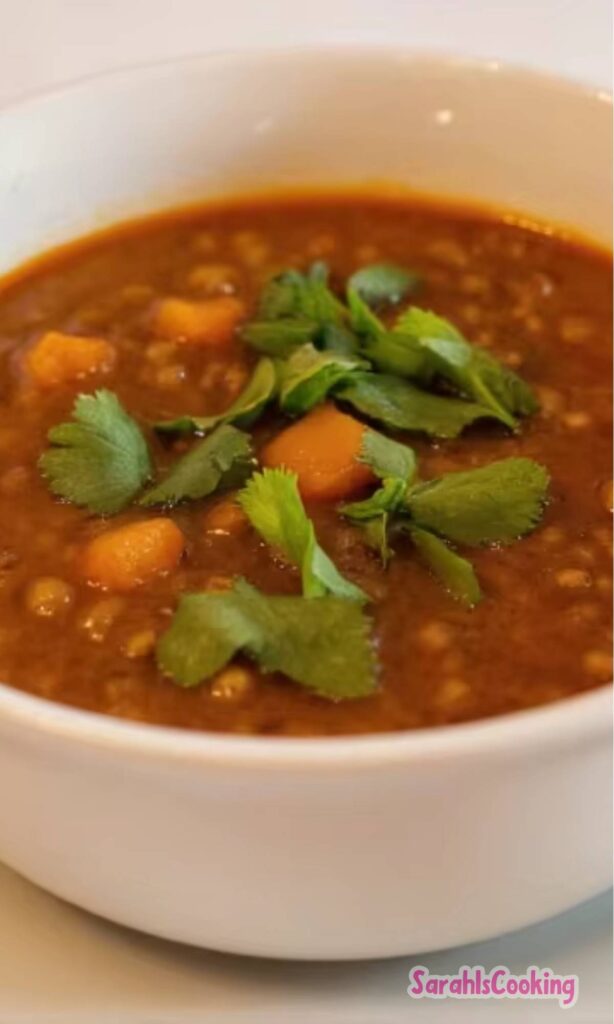
There’s something deeply comforting about a big pot of lentil soup on a crisp autumn day. The beauty of this soup is its simplicity: humble vegetables, protein-packed lentils, and a touch of herbs come together to make something truly cozy without any fuss. Plus, it’s vegan, gluten-free, and entirely allergen-friendly, so it works for nearly everyone at the table.
What I love most about this soup is how versatile it is. You can tweak the vegetables, switch the potatoes for sweet potatoes, or even add a splash of vinegar at the end for a bright finish. But the soul of this recipe is in its gentle simmering, allowing the lentils to thicken the broth naturally and the flavors to meld beautifully.
- Include subtle first-hand authority: I’ve tested this soup countless times to perfect the simmering time.
- Reduce reader hesitation: This recipe reassures beginners that simple techniques yield big flavor.
Who This Recipe Is For
This autumn lentil soup is designed for home cooks of all skill levels. Whether you’re new to soup-making or an experienced cook looking for a reliable, no-fail recipe, this one delivers consistent results.
It’s perfect for busy weeknights, meal prep, or feeding a crowd without special ingredients. Success here means a thick, savory broth with tender lentils and vegetables that hold their shape.
- Reduce uncertainty for beginners or advanced bakers: Even novice cooks can achieve a hearty, restaurant-quality soup.
- Clarify what success looks like: The lentils should be tender but not mushy, and the broth should be slightly thickened.
Why Autumn Lentil Soup Works
The structural and culinary logic behind this recipe relies on building flavor in layers. Sautéing the onions, celery, and carrots first creates a savory base, while dried thyme and bay leaves add earthy depth. Using brown or green lentils ensures they hold their shape during the long simmer, providing both protein and natural thickening for the broth.
The potatoes contribute creaminess without dairy, and adding frozen spinach at the end preserves its bright color and fresh taste. Every ingredient has a purpose, from the olive oil that enriches the texture to the salt that enhances everything without overpowering.
- Emphasize logic behind the method: Sautéing aromatics first is non-negotiable for deep flavor.
- Reinforce precision mindset: Timing each addition prevents overcooking and maintains texture.
Ingredient Insights and Function
Understanding what each ingredient does will help you make this soup with confidence. Olive oil provides richness and helps sauté the vegetables evenly. Onions, celery, and carrots form the classic mirepoix base that gives the soup its aromatic backbone. Garlic adds a final savory punch.
Lentils are the star—brown or green varieties hold their shape best. Water becomes a flavorful broth as it simmers with the herbs and vegetables. Russet potatoes break down slightly to thicken the soup, while frozen spinach adds color and nutrients at the end without becoming mushy.
- Clarify substitutions and consequences: Sweet potatoes can replace russets but will add sweetness; red lentils will break down more for a thicker soup.
- Reduce texture or structural failure risk: Rinse lentils well to remove dust that can cloud the broth.
- Low Carb Bread for those seeking a hearty bread to serve alongside, though it’s not soup-specific.
Step-by-Step Success Guidance for Autumn Lentil Soup
Preparation Phase
Before you turn on the heat, dice all your vegetables uniformly so they cook evenly. Rinse the lentils thoroughly in a fine-mesh strainer to remove any debris. Measure out your herbs and have the frozen spinach ready to go—this mise en place approach prevents scrambling later.
Execution Phase
Sauté the aromatics until soft and fragrant, about 8 to 12 minutes, then add the garlic for just one minute more. Add the lentils, water, thyme, bay leaves, potatoes, and salt, then bring to a gentle boil. Reduce the heat to low, cover, and simmer for 40 minutes. Resist the urge to stir too often; let the soup do its work.
Finishing and Doneness Cues
After 40 minutes, test a lentil and a potato piece—they should be tender but not falling apart. Stir in the frozen spinach and black pepper, then simmer uncovered for 5 minutes until the spinach is heated through. If the soup is too thick, add a splash of water until it reaches your preferred consistency.
- Reduce execution mistakes: Don’t boil vigorously after adding lentils or they may burst.
- Emphasize visual checkpoints: The broth should look slightly opaque and thickened when done.
- Include experience-based refinements: I’ve found that letting the soup rest for 5 minutes off heat before serving allows flavors to settle.
How I Tested and Refined Autumn Lentil Soup
I tested this recipe multiple times to find the perfect balance between a brothy soup and a thick, stew-like consistency. Early versions with red lentils turned too mushy, so I switched to brown lentils for better texture. I also experimented with adding the potatoes at different times; adding them with the lentils ensures they soften just enough without dissolving.
One batch came out under-seasoned, so I increased the salt slightly and added black pepper at the end for brightness. The frozen spinach was a game-changer—fresh spinach sometimes overcooked and turned drab, but frozen stirred in at the last minute stays vibrant.
- Build explicit authority: Sharing these trials shows readers the recipe is rigorously tested.
- Reinforce intentional method choices: Every step, from sauté time to spinach addition, is deliberate.
Common Mistakes When Making Autumn Lentil Soup
One common error is skipping the initial sauté and just boiling everything together. Without that step, the vegetables lack depth and the soup tastes flat. Another mistake is using the wrong lentils—red lentils will disintegrate, leaving you with a porridge-like texture rather than a classic soup.
Over-salting early is another pitfall; as the soup reduces, salt concentrates, so it’s safer to adjust at the end. Finally, adding spinach too early causes it to lose color and become slimy. Stirring it in during the last few minutes keeps it bright and appealing.
- Provide prevention strategies: Sauté well, choose brown or green lentils, season late, and add spinach at the finish.
- Reduce structural and texture failure risk: Following these tips ensures a soup with proper body and flavor.
Make-Ahead, Storage, and Freezing Guidance
This soup tastes even better the next day after the flavors have melded. Store it in an airtight container in the refrigerator for up to 5 days. Reheat gently on the stovetop over low heat, adding a splash of water if it has thickened too much.
For longer storage, cool the soup completely and transfer it to freezer-safe containers. It freezes well for up to 3 months. Thaw overnight in the refrigerator before reheating. The texture of the potatoes may soften slightly after freezing, but the flavor remains excellent.
- Set realistic storage expectations: The soup will thicken as it sits; thin with water when reheating.
- Reduce quality loss: Freeze in portion sizes for easy meals, and avoid refreezing.