
There’s a certain kind of magic that happens when the air turns crisp, and it calls for a certain kind of meal.
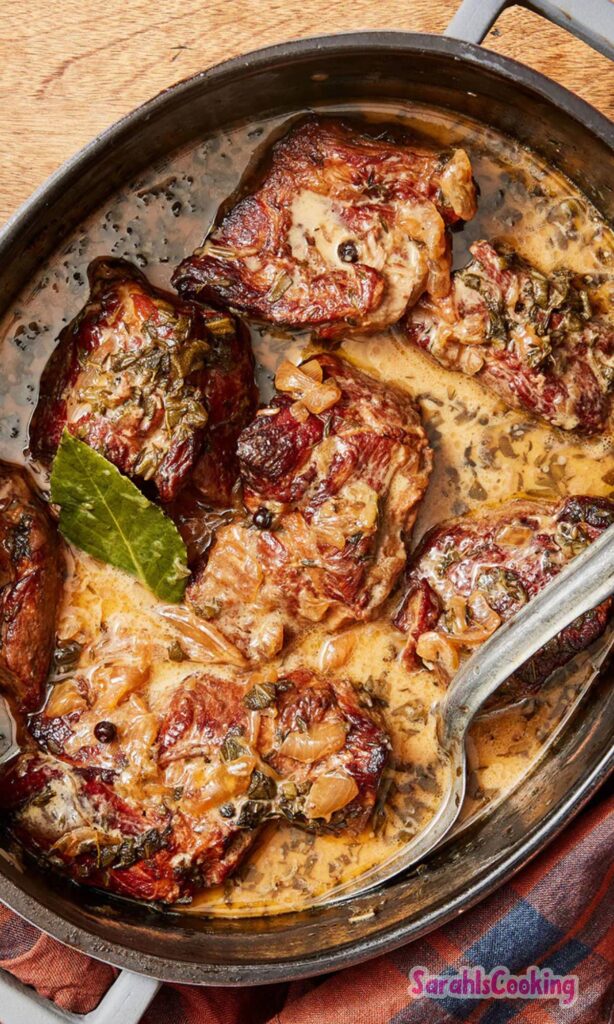
This Apple Cider Braised Pork Shoulder is that magic, a one-pot wonder that turns a simple cut of meat into something deeply comforting and spectacularly flavorful.
Braising might sound fancy, but it’s really just the art of being patient and letting heat do its gentle work.
It’s the culinary equivalent of a slow, warm hug, transforming a sturdy pork shoulder into meat so tender it practically sighs off your fork.
Gathering these ingredients is half the fun, a little treasure hunt for the flavors of fall.
Braising is a simple promise: sear first for flavor, then bathe low and slow for tenderness.
You’re not just cooking meat; you’re convincing all its tough, chewy parts to relax and become something extraordinarily soft and juicy.

The process is wonderfully straightforward, a rhythmic dance of browning, pouring, and waiting.
Just follow these steps, and your kitchen will smell like a dream.
Start by patting your pork shoulder absolutely dry with paper towels; this is the non-negotiable first step to getting a proper, crispy sear.
Then, season it generously on all sides with salt and pepper, don’t be shy, you’re seasoning a thick piece of meat through and through.
Heat your oil in a heavy Dutch oven over medium-high heat until it shimmers.
Sear the pork, you’ll want a deep, golden-brown crust on every side, which usually takes about 4-5 minutes per surface, and that sizzle is the sound of flavor building.
While the pork sears, whisk together your apple cider, chicken stock, Dijon mustard, and dehydrated onion in a measuring cup.
Tie your rosemary and thyme sprigs together with a bit of kitchen twine, it makes them easy to fish out later.
Once the pork is beautifully browned, pour that whisked liquid all around it and tuck in the herb bundle and the whole head of garlic.
Cover the pot tightly and slide it into a 325°F oven, then walk away for about 3 hours, the hard work is done.
After a few hours, the pork will be nearly tender. Pull the pot out and carefully arrange your onion slices and apple wedges in the liquid around the pork.
Cover it again and return it to the oven for another 45 minutes to an hour, this lets the apples and onions cook without turning to mush.
When the pork yields easily to a fork, take the pot out and let it rest right there, uncovered, for a good 30 minutes. This lets the meat relax and reabsorb juices.
Fish out the herb bundle, then squeeze the now-soft roasted garlic cloves right into the sauce, give it a stir, and get ready to serve.
This is a common crossroads, and honestly, you can’t go wrong, but each path offers a slightly different journey.
A bone-in shoulder will give you a slightly richer, more unctuous sauce as the marrow melts, and many swear by the extra flavor it provides.
A boneless roast is often easier to handle and may cook a bit more evenly and quickly, a fantastic option for a straightforward, no-fuss masterpiece.
A few little nudges in the right direction can make a great dish exceptional.
The beautiful thing about this recipe is its adaptability, it’s a perfect canvas for your own tastes.
Try adding a couple of bay leaves to the herb bundle for another layer of earthy aroma, it’s a small addition with a big impact.
For a subtle kick, stir a tablespoon of whole grain mustard in with the Dijon, you’ll get lovely little pops of texture and a sharper mustard flavor.
If you adore root vegetables, add chunks of carrot or parsnip when you add the apples, they braise beautifully and make the meal even heartier.
Sure, piled over mashed potatoes is the classic, and for very good reason, it’s heavenly.
But think beyond the dinner plate. The next day, shred any leftovers and warm them gently in a skillet for the most incredible sandwiches.
Pile it on a crusty roll with a little slaw, or fold it into warm tortillas with a sprinkle of cilantro. It’s even fantastic tossed through warm egg noodles for a quick, different meal.
Leftovers are a gift, frankly, because the flavors often deepen overnight in the fridge.
Let the pork cool in its liquid, then store it all together in an airtight container for up to 4 days.
To reheat, do it gently. Place the pork and some of its juice in a covered pan over low heat on the stove, adding a splash of water or broth if it looks dry, until it’s steaming and tender again.
This dish also freezes wonderfully for up to 3 months, just thaw it overnight in the refrigerator before reheating.
Create a cozy and inviting holiday atmosphere with this simple stovetop simmer pot recipe. Using classic seasonal ingredients like oranges, cranberries, cinnamon, and herbs, this aromatic blend will fill your home with the warm, festive scents of the season—no baking required!