
Gefilte Fish is a classic Jewish dish made with gently poached fish balls in a light homemade stock. This reliable recipe delivers tender texture and clean flavor every timeIntroduction
Gefilte Fish is one of those dishes that rewards precision and patience. When done right, it delivers a clean, delicate texture with just enough structure to hold together without feeling dense.
I approach this recipe the same way I approach baking. Every step matters, from how finely the fish is chopped to how gently it is poached. Small choices shape the final texture in a big way.
This version stays true to tradition while keeping the method practical. It focuses on balanced seasoning, a light stock, and a consistent shaping technique that gives you reliable results every time.
Ingredients Needed for the Recipe
- 500 g fish meat (combination of bream, hake, haddock, or cod) – provides the main structure and flavor, with mixed fish improving texture and depth
- 1 small onion, finely chopped – adds moisture and subtle sweetness while preventing dryness
- 40 g matzo meal – acts as a binder that absorbs liquid and stabilizes the fish mixture
- 1 tsp sugar – balances the savory notes and gives the traditional mild sweetness
- 1 tsp salt – enhances flavor and tightens the protein structure for better cohesion
- 1 egg, lightly beaten – binds the mixture together and adds softness to the texture
- 1 dash white pepper – provides gentle heat without overpowering the fish
- 1 L water – forms the base of the poaching liquid
- Non-oily fish bones and/or fish head – enriches the stock with gelatin for body and depth
- 1 large carrot, sliced – adds sweetness and becomes a traditional garnish
- 1 small onion, quartered – builds aromatic depth in the stock
- 1 tsp salt (for stock) – seasons the liquid so the fish absorbs flavor while cooking
- 1 tsp sugar (for stock) – balances the stock and complements the fish mixture
- 5 white peppercorns – adds subtle warmth and complexity to the broth
How to make Gefilte Fish?
Step 1 – Build the Fish Stock
Place the water, fish bones, carrot slices, onion, salt, sugar, and peppercorns in a saucepan. Bring everything to a boil over medium heat.
As the stock heats, skim off any foam that rises to the surface. This keeps the broth clear and clean in flavor.
Reduce to a gentle simmer and cook for about 30 minutes. Strain carefully, reserving the carrot slices intact for garnish later.
Step 2 – Prepare the Fish Mixture
Pulse the fish in a food processor until finely chopped. Stop before it turns into a paste. You want a slightly coarse texture for structure.
Transfer the fish to a bowl. The mixture should look moist but still hold some visible texture.
Step 3 – Season and Bind
Add the chopped onion, matzo meal, sugar, salt, and white pepper to the fish. Mix gently with a wooden spoon until evenly combined.
Pour in the beaten egg and mix again until the mixture binds. Finish lightly with your hands to ensure even distribution without compressing it.
Step 4 – Rest the Mixture
Cover the bowl and refrigerate for 30 minutes. This resting period allows the matzo meal to hydrate and the mixture to firm up.
After resting, the mixture should feel more cohesive and easier to shape.
Step 5 – Shape the Fish Balls
Wet your hands lightly to prevent sticking. Shape the mixture into oval patties, slightly flattened rather than round.
Keep the size consistent so they cook evenly. Avoid pressing too firmly, which can lead to dense results.
Step 6 – Poach Gently
Bring the strained stock back to a gentle simmer. Lower the fish balls into the liquid carefully.
Cover and poach for about 30 minutes. Maintain a low simmer, not a boil, to prevent the fish from breaking apart.
Step 7 – Finish and Chill
Remove the cooked fish balls and place them in a shallow dish. Reduce the poaching liquid by half to concentrate flavor.
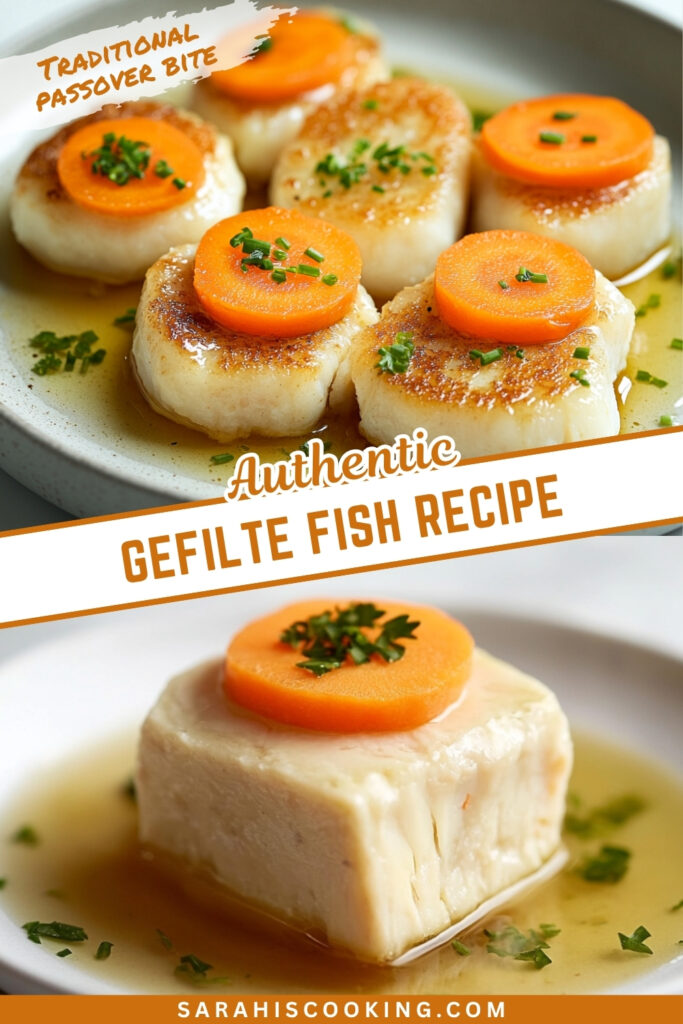
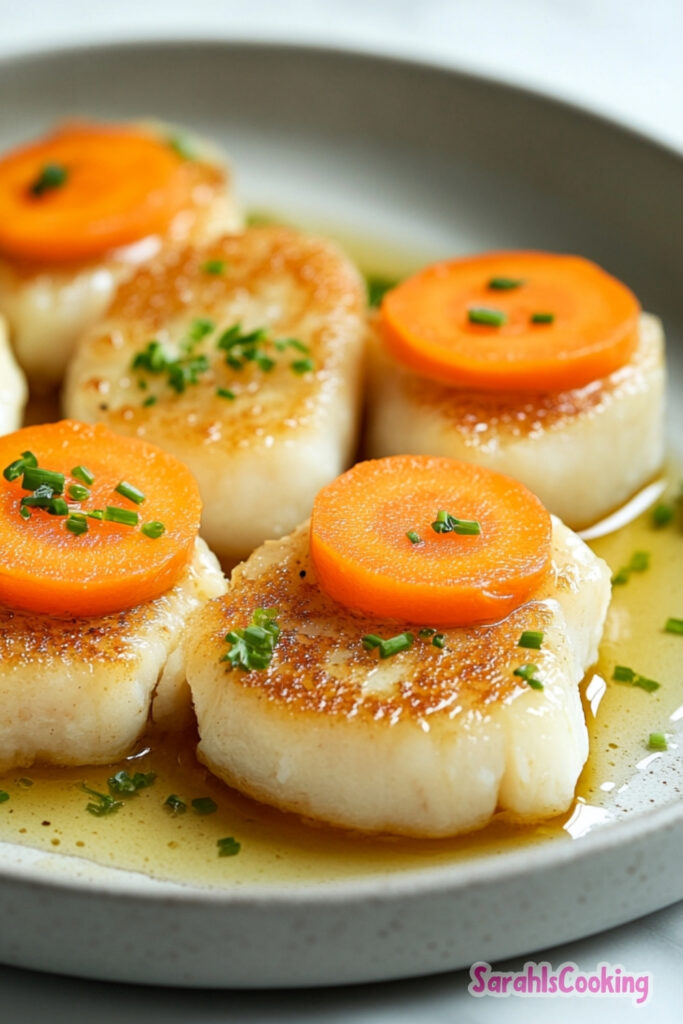
Pour the reduced stock over the fish balls and top each with a slice of carrot. Chill overnight to allow the flavors to settle and the aspic to form.
Why This Recipe Works
The balance of fish, binder, and liquid is what defines this recipe. The matzo meal absorbs moisture while the egg binds everything without making it heavy.
Using multiple types of fish creates a more complex flavor and improves texture. Lean fish keeps the mixture light, while the stock adds richness through gelatin.
The gentle poaching method is essential. High heat would tighten the proteins too quickly, leading to a rubbery texture instead of the soft, delicate consistency you want.
How I Tested and Refined This Recipe
I started by testing different fish combinations. Using a single type resulted in either too much firmness or not enough structure. A blend gave the best balance.
Early versions had texture issues. Over-processing the fish created a paste that turned dense after cooking. I adjusted to a coarse chop, which made a noticeable difference.
I also experimented with binder ratios. Too much matzo meal made the fish balls dry, while too little caused them to fall apart. The final amount holds everything together without heaviness.
Poaching temperature was another key variable. A rolling boil caused breakage, while a gentle simmer kept the shape intact and the texture tender.
Common Mistakes and How to Avoid Them
- Over-processing the fish – leads to a dense, paste-like texture instead of light and structured
- Skipping the resting step – prevents proper binding and makes shaping difficult
- Boiling instead of simmering – causes the fish balls to break apart and toughen
- Overmixing the mixture – compresses the fish and results in a heavy texture
- Undermixing – leads to uneven seasoning and weak structure
- Using oily fish – changes the flavor profile and affects the clean finish
- Not skimming the stock – results in a cloudy and less refined broth
Make-Ahead, Storage, and Freezing Guidance
Gefilte Fish is best made ahead. After chilling overnight, the flavors deepen and the texture sets properly in the light aspic.
Store in the refrigerator for up to 3 days, covered and kept in its liquid. The texture will firm slightly but remain tender.
For freezing, place the fish balls in an airtight container with some stock. Freeze for up to 1 month. Thaw slowly in the refrigerator before serving.
Serve cold for the traditional experience, or gently reheat in the stock over low heat. Avoid high temperatures to maintain texture.
Tips
- Use a mix of fish for better texture and flavor depth
- Keep your hands wet when shaping to prevent sticking
- Always maintain a gentle simmer during poaching
- Chill overnight for the best structure and taste
- Reduce the stock for a more concentrated finish
- Handle the mixture lightly to avoid density
- Reserve carrot slices carefully for a clean presentation

Gefilte Fish Recipe
Description
Gefilte means "stuffed fish" in Yiddish, and this classic Ashkenazi Jewish dish features a slightly sweet mixture of minced white fish, onions, and aromatic spices poached in homemade fish stock. Traditionally served chilled on Shabbat and Jewish holidays, these tender oval fish balls are naturally gluten-free when made with matzo meal and develop a beautiful light aspic when refrigerated overnight. Perfect with beet horseradish for an authentic taste of heritage cooking.
ingredients
For the Fish Balls
For the Fish Stock
Instructions
Make the Fish Stock
- Place water, fish bones/head, carrot, quartered onion, salt, sugar, and white peppercorns in a large saucepan.
- Bring to a boil over medium-high heat, then reduce heat and skim off any foam or scum that rises to the surface.
- Simmer gently for 30 minutes, then strain the stock through a fine-mesh sieve. Reserve the carrot slices carefully for garnish.
Prepare the Fish Balls
- Pulse the fish meat in a food processor just until finely minced—do not over-process into a paste. Transfer to a large mixing bowl.
- Add the finely chopped onion, matzo meal, sugar, salt, and white pepper. Mix thoroughly with a wooden spoon until well combined.
- Pour in the lightly beaten egg and mix until the mixture binds together. Finish mixing gently with lightly wet hands—do not squeeze or overwork.
- Cover the bowl with cling film and refrigerate for 30 minutes to firm up the mixture.
- With wet hands, shape the chilled fish mixture into oval patties, slightly flattened on one side (traditional quenelle shape).
Poach and Finish
- Bring the reserved fish stock to a gentle simmer in a wide, deep saucepan. Carefully lower the fish balls into the stock in a single layer (work in batches if needed).
- Cover and poach gently for 30 minutes, maintaining a bare simmer—do not boil vigorously or the fish balls may break apart.
- Using a slotted spoon, transfer the cooked fish balls to a shallow serving dish.
- Return the poaching liquid to the stove and reduce by half over medium heat to concentrate the flavor.
- Pour the reduced stock over the fish balls, top each with a reserved carrot slice, cover, and refrigerate overnight to allow the natural aspic to set.
- Serve chilled with beet horseradish (chrain) on the side.
Nutrition Facts
Servings 6
Serving Size 1 fish ball (approx. 120g)
- Amount Per Serving
- Calories 115kcal
- % Daily Value *
- Total Fat 2.5gg4%
- Saturated Fat 0.4gg2%
- Trans Fat 0gg
- Cholesterol 48mgmg16%
- Sodium 365mgmg16%
- Potassium 210mgmg6%
- Total Carbohydrate 5.2gg2%
- Dietary Fiber 0.3gg2%
- Sugars 1.1gg
- Protein 16.8gg34%
- Calcium 28mg mg
- Iron 0.9mg mg
* Percent Daily Values are based on a 2,000 calorie diet. Your daily value may be higher or lower depending on your calorie needs.
Note
- Make-ahead friendly: Gefilte fish tastes even better the next day as flavors meld and the aspic sets beautifully.
- Fish selection tip: Using a mix of firm white fish (like cod and haddock) creates the ideal texture—avoid oily fish like salmon for traditional results.
- Gluten-free option: Matzo meal is naturally gluten-free for Passover; ensure all other ingredients are certified kosher for Passover if needed.
- Serving suggestion: Always serve chilled with vibrant beet horseradish (chrain) for authentic flavor contrast.