
Orange cake that stays soft and moist for days, made with fresh orange zest, juice, syrup, and glaze. A reliable citrus cake with balanced sweetness and bright flavor.
This orange cake is designed to deliver reliable results with a soft, tender crumb and consistent moisture from the first slice to the last. Every element in the recipe serves a purpose, from the ratio of liquid to dry ingredients to the layered citrus flavor.
I developed this recipe to highlight natural orange flavor without overwhelming sweetness. The texture remains plush yet structured, making it ideal for both casual baking and special occasions.
The combination of orange zest, juice, syrup, and glaze ensures balanced citrus intensity. Each layer contributes flavor differently, creating a cake that tastes complete rather than one-dimensional.
Who This Recipe Is For
This recipe is for home bakers who want dependable results without complicated techniques. If you appreciate clear steps and predictable texture, this cake fits comfortably into your routine.
It works well for intermediate bakers, yet remains approachable for beginners who are willing to follow instructions carefully. The method emphasizes simple mixing and timing awareness rather than advanced skills.
If you prefer cakes that stay moist for several days and slice cleanly, this structure supports both qualities. The recipe is practical, repeatable, and adaptable to different pan styles.
Why This Recipe Works
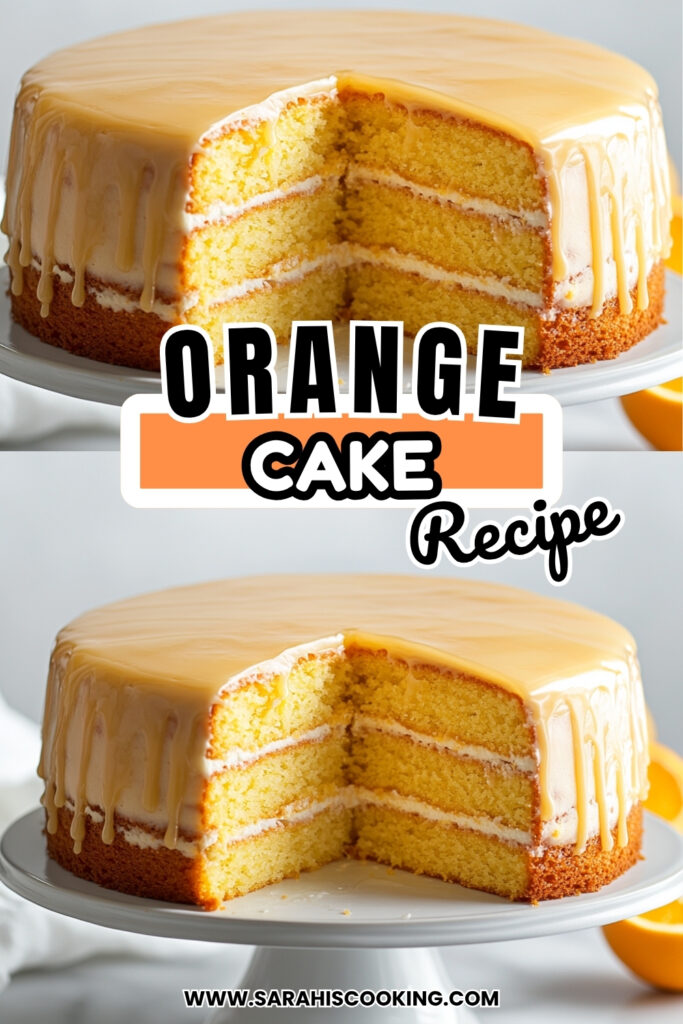
The balance of oil, eggs, and orange juice creates a stable emulsion that traps moisture during baking. Oil contributes lasting softness because it remains liquid at room temperature, unlike butter which firms as it cools.
Whisking orange zest directly into sugar releases essential oils that distribute evenly throughout the batter. This method improves flavor consistency and prevents concentrated bitterness in isolated pockets.
The alternating addition of dry ingredients and orange juice prevents overmixing while ensuring even hydration of the flour. This controlled mixing process reduces gluten development and keeps the crumb tender.
The orange syrup applied to the warm cake absorbs gradually, reinforcing moisture without creating sogginess. The glaze adds sweetness and a delicate finish that complements the cake’s natural citrus brightness.
Ingredients Needed for the Recipe
- All purpose flour – provides structure and stability for the crumb.
- Baking powder – creates lift and helps the cake rise evenly.
- Salt – balances sweetness and enhances orange flavor.
- Granulated sugar – sweetens while supporting moisture retention.
- Orange zest – delivers concentrated citrus oils for deep flavor.
- Eggs – bind ingredients and create structure through protein coagulation.
- Neutral oil – contributes tenderness and long-lasting softness.
- Vanilla extract – rounds out citrus sharpness with gentle warmth.
- Fresh orange juice – hydrates batter and adds natural acidity.
- Sugar for syrup – helps create a light moisture barrier on the cake surface.
- Powdered sugar – forms a smooth glaze that adheres evenly.
- Additional orange juice for glaze – thins sugar into pourable consistency.
Ingredient Insights and Function
All purpose flour provides enough protein to support the weight of the liquid ingredients. Using cake flour would create a softer crumb but risks fragility when applying syrup and glaze.
Oil plays a key role in preventing dryness. Because oil remains liquid even when chilled, the cake retains flexibility and softness after refrigeration or freezing.
Fresh orange zest contains aromatic oils that cannot be replicated with bottled juice alone. Skipping zest significantly reduces perceived citrus intensity, even if the juice quantity remains unchanged.
Freshly squeezed orange juice provides acidity that interacts with baking powder. This reaction contributes lift while also creating subtle brightness that balances sweetness.
Granulated sugar dissolves during mixing and contributes to browning during baking. Substituting alternative sugars may alter moisture retention and change the final texture.
Eggs stabilize the batter by creating structure as proteins set in the oven. Using cold eggs can cause uneven mixing, leading to a dense or uneven crumb.
If using gluten free flour, choose a balanced 1:1 blend designed for baking. Measure by weight for accuracy, as volume substitutions may produce inconsistent structure.
Olive oil works well when mild and lightly fruity. Strong oils can dominate the flavor profile and distract from the clean citrus notes.
How to make Orange Cake?
Step 1 – Prepare the Pan and Oven
Preheat the oven to 350 F (177 C) and grease a 10-inch bundt pan thoroughly. Ensure all curves and edges are coated to prevent sticking.
A properly prepared pan supports clean release and preserves the cake’s structure. Skipping this step risks tearing the delicate outer crust.
Step 2 – Combine Dry Ingredients
Whisk flour, baking powder, and salt until evenly distributed. Uniform mixing ensures consistent lift throughout the cake.
Aerating the dry ingredients at this stage prevents dense pockets and promotes even texture during baking.
Step 3 – Infuse Sugar with Orange Zest
Rub orange zest into sugar until the mixture resembles damp sand. This step releases essential oils that flavor the entire batter.
Proper incorporation prevents clumps of zest and distributes citrus aroma evenly across every slice.
Step 4 – Incorporate Eggs
Add eggs one at a time, mixing slowly at first to maintain emulsion stability. Increase speed briefly to create a lighter texture.
The mixture should appear thicker and slightly pale. This visual cue indicates proper aeration.
Step 5 – Stream in Oil and Vanilla
Slowly pour oil into the batter while mixing on medium speed. Gradual incorporation prevents separation and maintains smooth consistency.
Vanilla complements citrus brightness and rounds out sharper flavor notes.
Step 6 – Alternate Dry Ingredients and Orange Juice
Add dry ingredients and orange juice in alternating additions, beginning and ending with flour mixture. Mix only until incorporated.
This method protects the batter from overmixing and maintains a tender crumb structure.
Step 7 – Transfer Batter to Pan
Pour the batter evenly into the prepared pan and smooth the surface lightly. Avoid tapping the pan excessively as this may deflate incorporated air.
The batter should appear thick yet fluid enough to settle naturally into the pan contours.
Step 8 – Bake Until Properly Set
Bake for 45 to 60 minutes until a toothpick inserted in the center shows a few moist crumbs. Avoid overbaking, which reduces moisture retention.
The cake should feel springy when lightly pressed. A fragrant citrus aroma often indicates doneness.
Step 9 – Apply Orange Syrup
While the cake remains warm, brush orange syrup evenly across the surface. Warm cake absorbs liquid efficiently without becoming soggy.
Allow the syrup to settle fully before moving the cake. This resting period supports uniform moisture distribution.
Step 10 – Prepare and Apply Glaze
Whisk powdered sugar with orange juice until smooth and pourable. Adjust thickness gradually to maintain controlled flow.
Pour glaze over fully cooled cake to preserve structure and prevent melting.
How I Tested and Refined This Recipe
I tested multiple ratios of oil and liquid to determine the balance between softness and structural stability. Early versions with reduced fat produced a drier crumb after 24 hours.
I experimented with both melted butter and oil, observing that butter created pleasant flavor but firmer texture after cooling. Oil provided consistent tenderness even after refrigeration.
Adjusting the quantity of orange zest significantly improved flavor depth. Smaller amounts produced mild citrus notes, while higher levels delivered fuller aroma without bitterness.
I also evaluated mixing speed and timing to prevent dense texture. Overmixing caused tighter crumb formation, confirming the importance of alternating dry and wet additions carefully.
Testing syrup absorption at different temperatures revealed that warm cake absorbed liquid evenly without collapsing. Applying syrup to cooled cake produced uneven distribution.
Common Mistakes and How to Avoid Them
- Using cold eggs may cause batter separation and uneven texture.
- Overmixing after flour addition can create dense crumb.
- Skipping pan greasing may result in structural damage during release.
- Using bottled juice reduces brightness of citrus flavor.
- Applying glaze before cooling may cause runoff instead of coating.
- Overbaking leads to dry edges and reduced softness.
- Underbaking produces gummy texture in the center.
- Too much zest can introduce bitterness if white pith is included.
Make-Ahead, Storage, and Freezing Guidance
This cake maintains moisture for up to one week when stored in an airtight container at room temperature. Flavor continues to deepen slightly after the first day.
For freezing, wrap individual slices or the entire cake tightly in plastic wrap and store in a sealed container. Proper wrapping prevents freezer burn and preserves texture.
Freeze for up to two months for best quality. Thaw at room temperature to maintain crumb softness.
If freezing the full cake, apply syrup and glaze after thawing for best texture. Reheating is not necessary, though brief warming enhances aroma.
Tips
- Zest oranges directly over sugar to capture essential oils.
- Use room temperature ingredients for smoother batter consistency.
- Measure flour by weight for greater accuracy.
- Check doneness early if using a darker metal pan.
- Allow cake to cool partially before removing from pan.
- Use freshly squeezed juice for strongest citrus flavor.
- Whisk glaze gradually to control thickness.
- Slice with a serrated knife for clean edges.
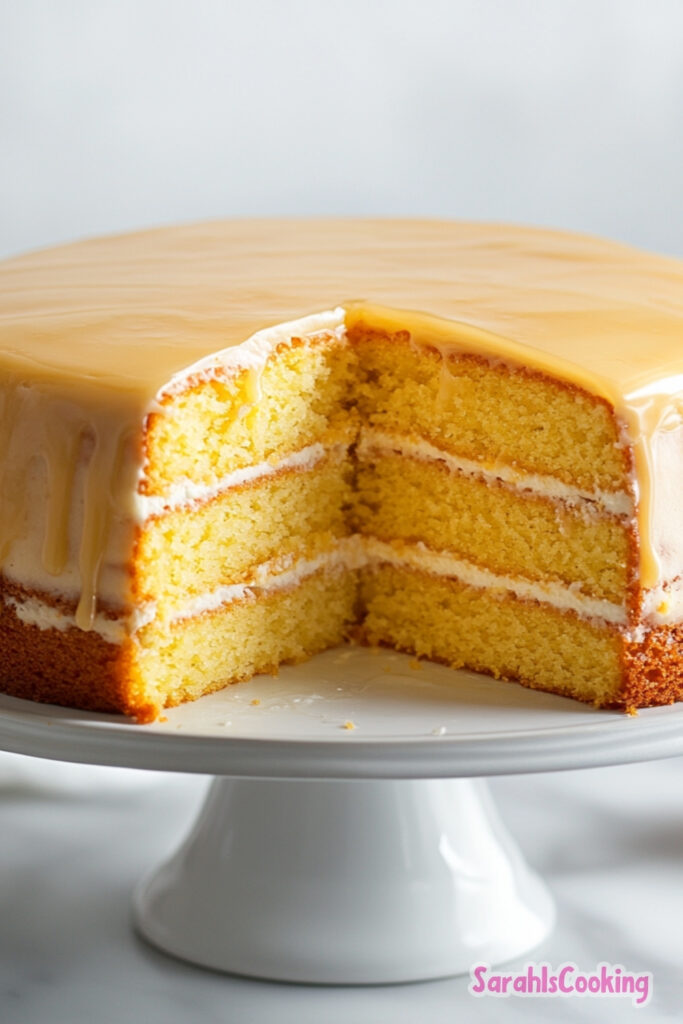

Orange Cake Recipe
Description
This Orange Cake is soft, moist, and fluffy, bursting with fresh orange flavor. With orange zest, juice, syrup, and glaze, each bite delivers vibrant citrusy delight.
ingredients
Orange Cake
Orange Syrup
Orange Glaze
Instructions
- Preheat the oven to 350°F (177°C) and grease a 10-inch bundt pan thoroughly.
- Whisk together flour, baking powder, and salt in a large bowl until well combined.
- In a separate large mixing bowl, whisk sugar and orange zest until combined. Add eggs one at a time on low speed, then increase to medium-high and whip 4–5 minutes until light and fluffy.
- Stream in oil and vanilla extract on medium speed, mixing for 1 minute. Scrape sides and bottom as needed.
- On low speed, alternate whisking in dry ingredients and orange juice: dry, orange juice, dry, orange juice, dry. Mix until just incorporated.
- Pour batter into prepared pan. Bake 45–60 minutes until a toothpick comes out with a few moist crumbs.
- Cool cake in pan 10 minutes. Invert onto a plate and gently lift pan.
- Whisk orange juice and sugar for syrup. Brush warm cake with syrup until absorbed. Let cool completely.
- Whisk orange juice with powdered sugar for glaze. Pour over cooled cake, add zest if desired, slice, and enjoy.
Nutrition Facts
Servings 12
Serving Size 1 slice
- Amount Per Serving
- Calories 320kcal
- % Daily Value *
- Total Fat 15gg24%
- Saturated Fat 2gg10%
- Trans Fat 0gg
- Cholesterol 70mgmg24%
- Sodium 180mgmg8%
- Potassium 180mgmg6%
- Total Carbohydrate 44gg15%
- Dietary Fiber 1gg4%
- Sugars 28gg
- Protein 4gg8%
- Calcium 40mg mg
- Iron 1mg mg
* Percent Daily Values are based on a 2,000 calorie diet. Your daily value may be higher or lower depending on your calorie needs.
Note
- Use fresh orange juice for maximum flavor.
- Ensure all ingredients are at room temperature for a soft, tender crumb.
- Cool cake fully before adding glaze for best texture.
- Store in an airtight container for up to a week; freeze for up to 2 months.