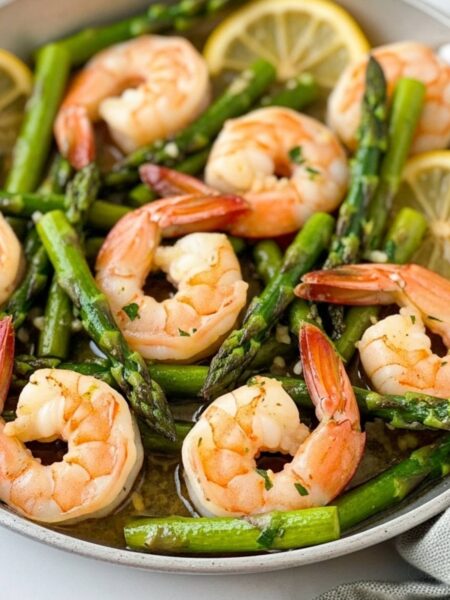

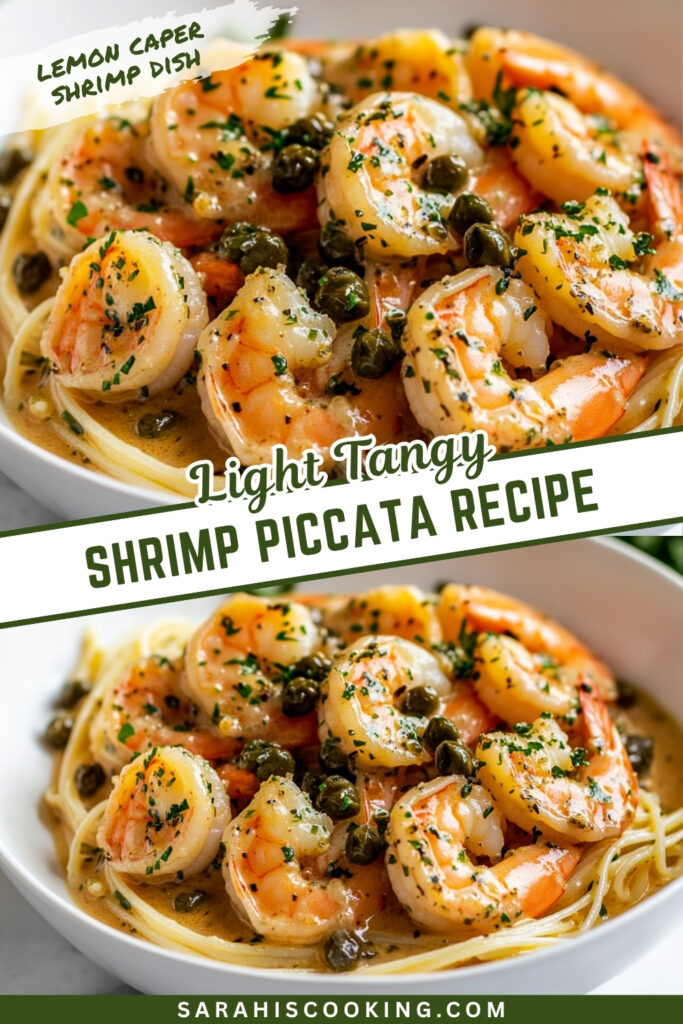
This shrimp piccata is one of those recipes I rely on when I need something fast but still precise and consistent. It comes together in about 30 minutes, but it doesn’t feel rushed or thrown together. The flavors are clean, balanced, and repeatable every time.
I’ve tested this method enough to know exactly where things can go wrong and how to prevent it. The goal here is tender shrimp with a light coating and a sauce that’s bright, buttery, and just slightly briny.
If you follow the sequence and pay attention to heat and timing, this becomes a reliable one-pan dinner that feels structured, not guesswork.
Ingredients Needed for the Recipe
- Shrimp – The main protein; large shrimp (16-20 count) cook evenly and stay juicy without overcooking too quickly.
- Flour – Creates a light coating that helps the shrimp brown slightly and also thickens the sauce later.
- Salt and black pepper – Essential for seasoning the shrimp early so the flavor builds from the base.
- Olive oil – Provides even heat distribution and prevents the butter from burning during the initial cook.
- Butter – Adds richness and body to the sauce while helping emulsify the liquids.
- Garlic – Brings aromatic depth; it must be cooked briefly to avoid bitterness.
- Dry white wine – Adds acidity and complexity while helping deglaze the pan and lift flavor.
- Lemon juice – The key acidic component that defines piccata and balances the butter.
- Chicken broth – Extends the sauce and creates a lighter texture without overpowering the shrimp.
- Capers – Provide briny contrast that sharpens the overall flavor profile.
- Parsley – Freshness and color; it rounds out the richness of the sauce.
- Angel hair pasta (optional) – A light base that absorbs the sauce without competing with it.
How to make Shrimp Piccata?
Step 1 – Prepare and coat the shrimp
Pat the shrimp dry first. This matters more than people think because excess moisture prevents proper coating and browning.
Toss them in a shallow dish with flour, salt, and pepper until lightly coated. You want a thin, even layer, not a heavy crust.
Step 2 – Heat the pan properly
Place a large skillet over medium heat and add olive oil. Let it heat until it shimmers but doesn’t smoke.
This is your baseline temperature. Too hot and the coating burns before the shrimp cook through. Too cool and they won’t develop any structure.
Step 3 – Cook the shrimp
Add the shrimp in a single layer without overcrowding. Cook for 2 to 3 minutes on the first side until they start turning pink and slightly opaque.
Flip and cook for about 1 more minute. Remove immediately once fully pink. Overcooking at this stage will make them rubbery later.
Step 4 – Control the heat before adding garlic
Lower the heat slightly or let the pan cool for a moment. This step prevents the garlic from burning.
Add a portion of the butter, then the sliced garlic. Cook for about 30 seconds until just golden and fragrant.
Step 5 – Build the sauce
Immediately add white wine, lemon juice, and chicken broth. The liquid should sizzle and lift any browned bits from the pan.
Increase the heat to medium-high and let the mixture reduce for about 5 minutes. You’re looking for a slightly thickened consistency, not a watery sauce.
Step 6 – Finish the sauce
Remove the pan from heat and whisk in the remaining butter. This step helps create a smooth, glossy finish.
Stir in capers and parsley. Taste briefly to check the balance of salt and acidity.
Step 7 – Return shrimp and serve
Add the shrimp back into the sauce and gently toss to coat. Keep the heat low so they warm through without cooking further.
Serve immediately over pasta, rice, or on its own with a spoonful of sauce over the top.
Why This Recipe Works
This recipe relies on controlled layering rather than complexity. Each step builds on the last without introducing unnecessary techniques.
The flour coating does two jobs at once. It lightly crisps the shrimp while also giving the sauce something to bind to, which creates a more cohesive texture.
The balance of acid and fat is intentional. Lemon juice provides brightness, while butter rounds it out so the sauce doesn’t feel sharp or thin.
Using both wine and broth creates depth without heaviness. Wine adds acidity and aroma, while broth gives structure and volume to the sauce.
The timing of adding ingredients is just as important as the ingredients themselves. Garlic is added after the heat drops, and butter is added off heat to preserve its texture.
How I Tested and Refined This Recipe
In early versions, I skipped the flour step to keep things simpler. The result was a thinner sauce that didn’t cling to the shrimp, which made the dish feel incomplete.
I also tested cooking the garlic alongside the shrimp. That consistently led to bitter notes because the pan stayed too hot for too long.
Another adjustment was the ratio of lemon juice to broth. Too much lemon made the sauce harsh, while too little made it flat. The final balance keeps it bright without overwhelming the butter.
I experimented with adding all the butter at once versus splitting it. Adding it in two stages gave a smoother, more stable sauce that didn’t separate.
Cook time for shrimp was another key variable. Even an extra minute changed the texture noticeably. Keeping it under four minutes total made the biggest difference.
Common Mistakes and How to Avoid Them
- Overcooking the shrimp – Remove them as soon as they turn pink; they continue cooking slightly off heat.
- Burning the garlic – Always lower the heat before adding it and cook no longer than 30 seconds.
- Skipping the flour coating – This leads to a thin sauce that doesn’t adhere well to the shrimp.
- Overcrowding the pan – Causes steaming instead of searing, which affects both texture and flavor.
- Not reducing the sauce enough – A watery sauce won’t coat properly and tastes diluted.
- Adding butter over high heat – This can break the sauce and create a greasy texture.
- Using too much lemon juice – Over-acidity throws off the balance and masks the other flavors.
Make-Ahead, Storage, and Freezing Guidance
This dish is best served immediately after cooking. The sauce has its best texture right after it’s emulsified and combined with the shrimp.
If you need to store leftovers, place them in an airtight container in the refrigerator for up to two days. The sauce may thicken slightly as it cools.
To reheat, use a skillet over low heat and add a small splash of chicken broth to loosen the sauce. Avoid microwaving at high heat since it can overcook the shrimp.
Freezing is not ideal for this recipe. The texture of the shrimp becomes firm and the sauce can separate when thawed.
Tips
- Use fresh lemon juice for the cleanest flavor.
- Keep the shrimp tails on for better presentation and easier handling.
- Slice garlic evenly so it cooks at the same rate.
- Let the pan cool slightly before building the sauce to control bitterness.
- Cook pasta while preparing the shrimp to save time and serve everything hot.
- Taste the sauce before returning the shrimp to adjust seasoning if needed.
- Use a wide skillet to allow proper evaporation during reduction.
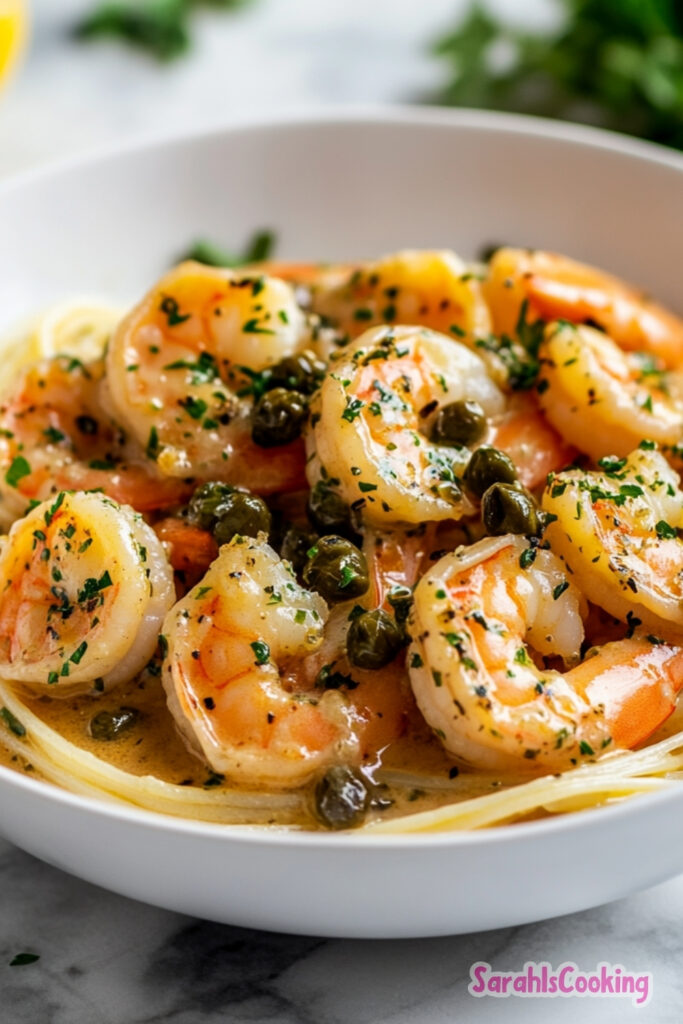

Shrimp Piccata Recipe
Description
This easy Shrimp Piccata recipe features tender shrimp simmered in a bright, tangy lemon butter sauce with briny capers and white wine. Ready in under 30 minutes, this one-pan dish delivers bold, restaurant-style flavor with minimal effort. Perfect for weeknight dinners or special occasions, serve over pasta, rice, or with crusty bread to soak up every drop of that delicious sauce.
ingredients
Instructions
- Combine flour and a pinch of salt and pepper in a shallow dish. Toss shrimp in flour mixture until evenly coated.Pro tip: Pat shrimp dry before dredging for better coating adhesion.
- Heat olive oil in a large nonstick skillet over medium heat. Add shrimp in a single layer and cook 2-3 minutes per side until pink and opaque. Remove shrimp to a plate.Don't overcrowd the pan; cook in batches if needed. Shrimp are done when they turn from gray/translucent to light pink.
- Reduce heat to medium-low. Melt 1 tablespoon butter in the same pan. Add sliced garlic and cook until golden brown, about 30 seconds.Watch closely—garlic burns quickly and becomes bitter. Let pan cool slightly after removing shrimp if needed.
- Add white wine, lemon juice, and chicken broth. Increase heat to medium-high and simmer until liquid is slightly reduced, about 5 minutes.The sauce should coat the back of a spoon when ready.
- Remove pan from heat. Whisk in remaining 1 tablespoon butter, capers, and minced parsley until butter is melted and sauce is glossy.Removing from heat prevents the sauce from breaking.
- Return shrimp to the skillet and gently stir to coat in sauce. Season with salt and pepper to taste.Taste before adding salt—capers and broth add sodium.
- Serve immediately over cooked angel hair pasta, rice, or with crusty bread. Garnish with lemon slices and extra parsley if desired.Shrimp Piccata is best enjoyed fresh while the sauce is warm and silky.
Nutrition Facts
Servings 4
Serving Size 1/4 of recipe
- Amount Per Serving
- Calories 285kcal
- % Daily Value *
- Total Fat 12gg19%
- Saturated Fat 4gg20%
- Trans Fat 0gg
- Cholesterol 170mgmg57%
- Sodium 485mgmg21%
- Potassium 320mgmg10%
- Total Carbohydrate 8gg3%
- Dietary Fiber 0.5gg2%
- Sugars 1gg
- Protein 24gg48%
- Calcium 4% mg
- Iron 12% mg
* Percent Daily Values are based on a 2,000 calorie diet. Your daily value may be higher or lower depending on your calorie needs.
Note
- Shrimp size tip: Large (16-20 count) shrimp work best. Always remove the vein for the best texture and flavor.
- Don't overcook: Shrimp cook quickly—just 3-4 minutes total. They're done when opaque and pink.
- Wine substitution: No white wine? Use extra chicken broth plus a splash of lemon juice for brightness.
- Make it dairy-free: Substitute butter with olive oil or dairy-free butter alternative.
- Leftovers: Store in an airtight container in the fridge for up to 2 days. Reheat gently on the stovetop with a splash of broth to refresh the sauce.