
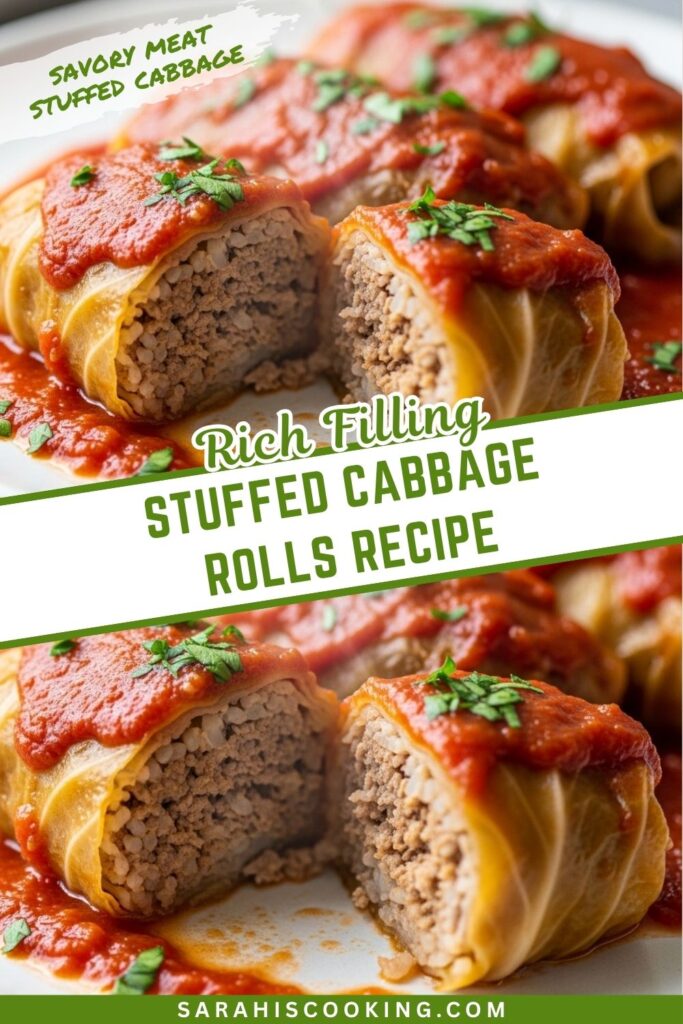
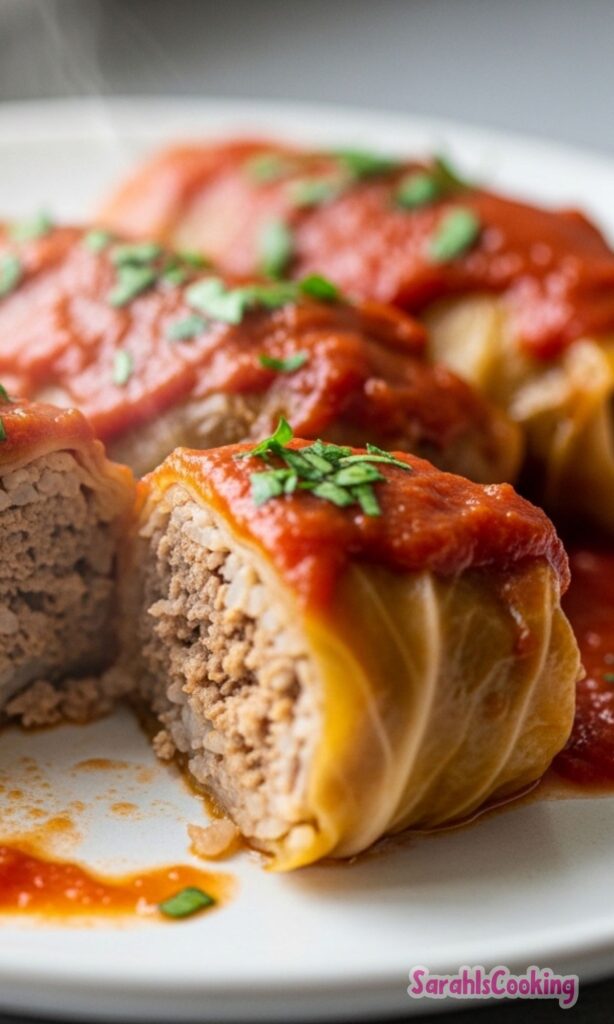
Stuffed cabbage rolls are one of those dishes that quietly carry generations of kitchen wisdom. Tender cabbage leaves wrapped around a seasoned beef and rice filling, slowly baked in a sweet and tangy tomato sauce, create a meal that is both comforting and deeply satisfying.
This version follows the traditional Polish approach while refining a few small details for consistency. The goal is simple: cabbage rolls that hold their shape, cook evenly, and develop a balanced sauce that complements the filling without overpowering it.
I have tested this method repeatedly to ensure reliable results for home cooks. The process does take time, but every step serves a clear purpose, and the finished dish rewards the effort with rich flavor and comforting texture.
Who This Recipe Is For
This recipe is ideal for home cooks who appreciate classic comfort food and do not mind a few thoughtful steps in the kitchen. If you enjoy cooking dishes that feel meaningful and worth sharing, stuffed cabbage rolls fit beautifully into that rhythm.
The method is approachable even for newer cooks, as long as you follow the steps carefully. Most of the work is simple preparation, followed by slow baking that allows the flavors to develop without constant attention.
It is also a wonderful recipe for cooks who like preparing food ahead of time. These cabbage rolls store well, reheat beautifully, and often taste even better the next day.
Why This Recipe Works
The success of stuffed cabbage rolls comes down to balance. The beef filling needs enough fat to stay tender, the rice must absorb flavor while helping the rolls hold their shape, and the cabbage must be softened just enough to roll without tearing.
This recipe uses an 85/15 ground beef ratio, which provides richness while preventing the filling from becoming dry. Eggs act as a binder that keeps the filling cohesive as it cooks, while grated onion adds moisture directly into the mixture.
The tomato sauce brings everything together. Crushed tomatoes add body, tomato sauce builds consistency, and lemon juice brightens the entire dish. A small amount of brown sugar softens the acidity and creates that classic sweet and sour flavor found in many Eastern European cabbage roll recipes.
Ingredients Needed for the Recipe
- Green cabbage – The cabbage leaves create the outer structure of the rolls. Large leaves are essential because they wrap the filling securely without tearing.
- Butter – Used to sauté the onions for the sauce, adding richness and helping develop a deeper base flavor.
- Onions – One portion flavors the sauce while grated onion adds moisture and sweetness to the meat filling.
- Garlic – Fresh garlic provides sharp aromatic depth that balances the sweetness of the tomato sauce.
- Tomato sauce – Builds the smooth foundation of the cooking liquid and helps coat the cabbage rolls evenly.
- Crushed tomatoes – Add texture and body to the sauce so it thickens naturally during baking.
- Lemon – The juice brightens the sauce while the zest adds subtle citrus aroma to the beef filling.
- Brown sugar – Balances the acidity of the tomatoes and creates the classic sweet and tangy flavor profile.
- Worcestershire sauce – Provides a savory depth that strengthens the tomato base.
- Golden raisins (optional) – Small pockets of sweetness that contrast nicely with the savory filling.
- Ground beef – The main protein in the filling. A moderate fat level keeps the rolls tender.
- Eggs – Act as a binder that holds the filling together during baking.
- White rice – Absorbs moisture and flavor while helping the filling stay light rather than dense.
- Salt and pepper – Essential for seasoning both the filling and sauce properly.
- Fresh parsley (optional) – Added at the end for freshness and color.
Ingredient Insights and Function
Choosing the right cabbage makes a noticeable difference. Look for a large, heavy head with tightly packed leaves. Smaller cabbages tend to produce leaves that are difficult to roll and tear easily when filled.
Short grain white rice works particularly well because it cooks faster and absorbs the surrounding sauce during baking. Long grain rice can work in a pinch, but it tends to stay firmer and may not integrate as smoothly into the filling.
Ground beef with moderate fat content keeps the filling tender during the long bake time. Lean beef often produces a dry interior, while higher fat blends can release too much grease into the sauce.
If you prefer to skip the raisins, the sauce will still work perfectly. They simply add small bursts of sweetness that complement the lemon and brown sugar.
How to make Stuffed Cabbage Rolls?
Step 1 – Steam and Prepare the Cabbage Leaves
Bring a large pot of water to a rolling boil while preparing a second pot filled with ice water. The ice bath stops the cooking quickly and preserves the structure of the leaves.
Core the cabbage by cutting around the center at an angle and removing the tough stem. Place the entire cabbage into the boiling water for several minutes until the outer leaves soften.
Use tongs to carefully remove one leaf at a time as it loosens. Transfer each leaf to the ice bath, then dry them gently with a towel once cooled.
Step 2 – Prepare the Tomato Sauce
Melt butter in a heavy pot over medium heat. Add chopped onion and cook until soft and translucent, which usually takes about five minutes.
Stir in garlic and the reserved chopped cabbage pieces. Cook briefly until fragrant, then add the tomato sauce, crushed tomatoes, lemon juice, brown sugar, Worcestershire sauce, and optional raisins.
Allow the sauce to simmer gently for several minutes. Taste and adjust the seasoning before removing it from the heat to cool.
Step 3 – Prepare the Beef Filling
In a large bowl combine ground beef, grated onion, minced garlic, eggs, uncooked rice, lemon zest, salt, and pepper. Mix with your hands just until the ingredients are evenly distributed.
Avoid overmixing the filling. The goal is a cohesive mixture that still feels slightly loose and tender rather than compact.
Divide the mixture into equal portions that match the number of cabbage leaves. This step keeps the rolls consistent in size and cooking time.
Step 4 – Shape the Cabbage Rolls
Lay a cabbage leaf flat and trim the thick base of the stem with a small V shaped cut. This removes the stiffest portion and makes rolling easier.
Shape one portion of filling into an oval and place it near the base of the leaf. Fold the sides inward and roll the cabbage tightly, similar to wrapping a burrito.
The roll should feel firm but not compressed. If wrapped properly, the seam will stay closed once placed in the pan.
Step 5 – Assemble the Baking Dish
Spread about two cups of the prepared tomato sauce across the bottom of a large casserole dish. This prevents the cabbage rolls from sticking and begins the flavor base.
Arrange the rolls seam side down in the dish, placing them close together so they support each other during baking.
Pour the remaining sauce over the top, using a spoon to fill any gaps between the rolls.
Step 6 – Bake the Cabbage Rolls
Cover the dish tightly with foil and place it in a preheated 350°F oven. The covered environment allows the cabbage and rice to cook slowly in the sauce.
Bake for approximately 2 hours and 15 minutes. During this time the cabbage becomes tender and the filling fully cooks.
Once baked, allow the dish to rest for at least 20 minutes before serving. This resting time allows the sauce to settle and the rolls to firm slightly.
How I Tested and Refined This Recipe
Early versions of this recipe struggled with two issues: torn cabbage leaves and overly dense filling. Both problems came down to preparation and ingredient ratios.
Initially I tried rolling the cabbage after briefly blanching the entire head, but the leaves still tore too easily. Removing each leaf individually while it softened in the boiling water proved much more reliable.
I also experimented with different rice amounts. Too little rice created a heavy meat texture, while too much caused the rolls to break apart. The half cup ratio strikes a balance that keeps the filling light while still structured.
The sauce required the most adjustments. Adding lemon juice brightened the flavor, and a moderate amount of brown sugar softened the tomato acidity without making the dish overly sweet.
Common Mistakes and How to Avoid Them
- Not softening the cabbage leaves enough, which leads to tearing during rolling.
- Overmixing the meat filling, creating dense and tough cabbage rolls.
- Using cabbage leaves that are too small to wrap the filling securely.
- Skipping the ice bath, which makes the leaves fragile and difficult to handle.
- Baking uncovered, causing the rolls to dry out before the rice cooks.
- Overpacking the filling into each leaf, making the rolls split open during baking.
Make-Ahead, Storage, and Freezing Guidance
Stuffed cabbage rolls store exceptionally well and are often even better the following day. The sauce continues to soak into the rolls, deepening the overall flavor.
Refrigerated leftovers will keep for up to four days in an airtight container. Reheat gently in the oven or on the stovetop with a little extra sauce to prevent drying.
These cabbage rolls also freeze very well. Allow them to cool completely before transferring to freezer safe containers. They can be frozen for up to three months.
For best results, thaw overnight in the refrigerator and reheat covered in the oven at a moderate temperature until warmed through.
Tips
- Choose the largest cabbage head available for easier rolling.
- Pat the cabbage leaves dry before filling to prevent slipping.
- Keep the filling slightly loose rather than compact.
- Arrange the rolls tightly in the pan so they support each other.
- Let the dish rest after baking so the sauce thickens naturally.
- Serve with mashed potatoes, rice, or buttered egg noodles.

Stuffed Cabbage Rolls Recipe
Description
This delicious Polish style beef stuffed cabbage rolls recipe is a classic European comfort dish that you're going to want to pass down through generations. A beef and rice mixture rolled into steamed cabbage leaves and stewed in a flavorful tomato sauce will make these cabbage rolls a new family favorite. Traditionally served in Eastern Europe during the holiday season, these rolls are comfort food at its finest and well worth the effort!
ingredients
Main Ingredients
For the Tomato Sauce
For the Ground Beef Filling
Instructions
Steam and Prep the Cabbage Leaves
- Fill a large pot with water and bring to a rolling boil over high heat.
- Once boiling, fill a separate large pot with ice water and set aside for an ice bath.
- Core the cabbage by using a sharp knife and cutting at a tilted angle in a circle around the core. Remove and discard the core.
- Place the whole cabbage in the boiling water for 3-5 minutes until leaves are soft and pliable. Using tongs, gently remove one leaf at a time, being careful not to tear.
- Place each leaf into the ice bath. Aim for 14-16 large, quality leaves.
- Chop up the remaining cabbage (whatever is left after removing 14-16 leaves) and set aside for the sauce. You should get about one cup.
- Once cooled, remove cabbage leaves from ice bath, place on a towel to drain, then pat dry. Set aside while making the sauce.
Make the Tomato Sauce
- Melt 2 tablespoons of butter in a heavy bottomed pot or Dutch oven over medium-high heat.
- Add chopped onion and cook for 5-6 minutes until softened. Add minced garlic and reserved chopped cabbage; cook for another minute until fragrant.
- While onion cooks, zest about 1 teaspoon of lemon and set aside for the meat filling.
- Pour in tomato sauce, crushed tomatoes, lemon juice, brown sugar, Worcestershire sauce, golden raisins (if using), and a pinch of salt and pepper.
- Bring to a low boil, then reduce heat to medium-low and simmer for 5-7 minutes.
- Taste and adjust seasoning with additional salt, pepper, or sugar to your preference.
- Remove from heat and allow to cool slightly.
Make the Ground Beef Filling
- In a large mixing bowl, combine all ground beef filling ingredients: beef, grated onion, eggs, minced garlic, uncooked rice, lemon zest, salt, and pepper.
- Use your hands to thoroughly combine the mixture.
- Divide mixture into equal portions to match the number of cabbage leaves you have (e.g., 12 portions for 12 leaves).
Assemble and Bake the Cabbage Rolls
- Preheat oven to 350°F (175°C).
- Pour 2 cups of tomato sauce into a 13x9 inch casserole dish and spread evenly over the bottom.
- Lay out a cabbage leaf and make a V-shaped incision at the bottom, cutting off the firmest part of the stem.
- Shape one portion of meat mixture into an almond or football shape and place on the leaf. Fold the left and right sides over the meat and roll up like a burrito.Place seam side down to secure
- Place the cabbage roll seam side down into the casserole dish. Repeat until all meat and cabbage leaves are used.
- Top the cabbage rolls with remaining sauce and use a spoon to gently push sauce into any cracks and crevices.
- Cover dish tightly with foil and bake at 350°F (175°C) for 2 hours and 15 minutes.Rice will cook and absorb flavors during baking
- Remove from oven and let rest for 20-30 minutes before serving.Resting helps rolls set and makes serving easier
- Serve over mashed potatoes, rice, or egg noodles. Garnish with fresh parsley if desired and enjoy!
Nutrition Facts
Servings 8
Serving Size 1 cabbage roll
- Amount Per Serving
- Calories 385kcal
- % Daily Value *
- Total Fat 18gg28%
- Saturated Fat 7gg35%
- Trans Fat 0.5gg
- Cholesterol 95mgmg32%
- Sodium 820mgmg35%
- Potassium 685mgmg20%
- Total Carbohydrate 28gg10%
- Dietary Fiber 4gg16%
- Sugars 14gg
- Protein 26gg52%
- Calcium 8% mg
- Iron 22% mg
* Percent Daily Values are based on a 2,000 calorie diet. Your daily value may be higher or lower depending on your calorie needs.
Note
- Make ahead friendly: Assemble rolls up to 24 hours in advance, cover, and refrigerate. Add 15-20 minutes to baking time if cooking from cold.
- Freezer option: Freeze unbaked rolls on a baking sheet, then transfer to freezer bags. Bake from frozen, adding 45-60 minutes to cook time.
- Sauce customization: Adjust brown sugar to taste—some prefer a sweeter sauce, others more tangy. Taste and season as you go!
- Rice tip: Using uncooked rice in the filling allows it to absorb the flavorful tomato sauce as it bakes, creating perfectly tender grains.
- Leftovers: Store covered in refrigerator for up to 4 days. Reheat gently in oven at 325°F covered with foil.