
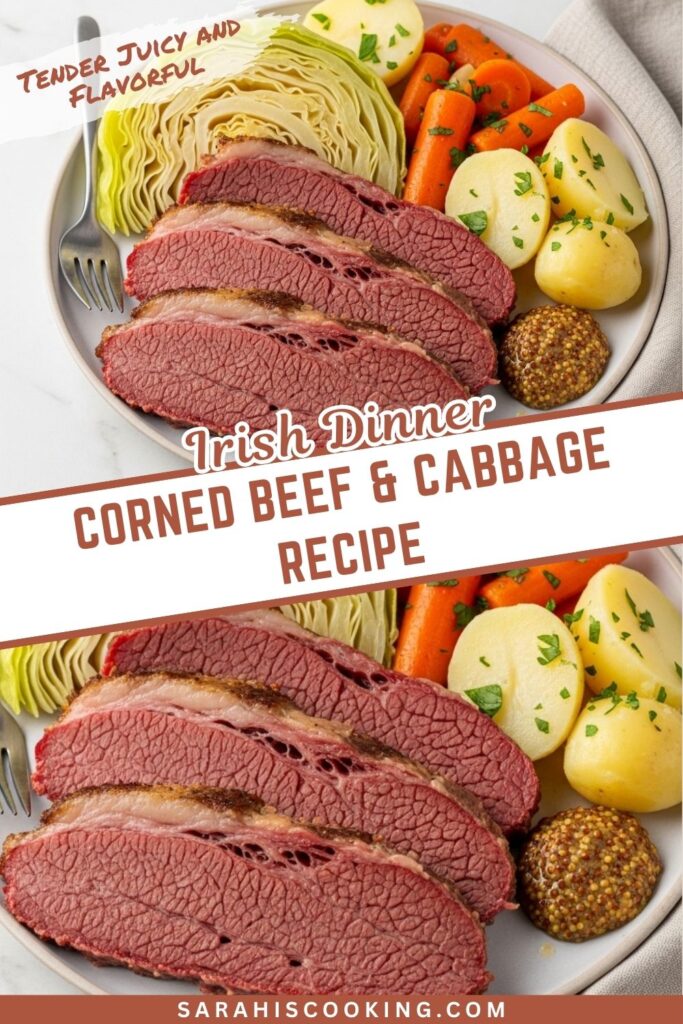
This recipe for corned beef and cabbage starts about a week before you plan to serve it. That might sound like a project, and honestly, it is. But the result is a brisket so tender, so deeply seasoned, and so much more flavorful than anything that comes out of a vacuum-sealed bag with a tiny spice packet. I developed this recipe to be as reliable as it is rewarding.
I have tested this method more times than I can count, adjusting the spice blend, the salt ratio, and the cooking time until everything lined up exactly the way it should. The brisket comes out fork-tender with a clean, balanced flavor. The vegetables cook gently in the same liquid, absorbing just enough of that aromatic broth without turning to mush. This is the version I now make every year, and it delivers consistent results without fail.
Who This Recipe Is For
This recipe is for the cook who wants to understand the process behind the food. It requires some patience and a bit of refrigerator space, but no advanced skills. If you can boil water and follow a timeline, you can make this.
It is also for anyone who has only ever known the store-bought version and is curious about what real corned beef tastes like. The difference is substantial, and once you have made it yourself, it is difficult to go back.
Why This Recipe Works
The long brine is the foundation. Seven days in a carefully balanced salt and spice solution allows the seasoning to penetrate deep into the meat, not just sit on the surface. The homemade pickling spice blend is whole and fresh, which makes a noticeable difference in the final aroma and taste.
Simmering the brisket low and slow breaks down the tough connective tissue in the flat cut, transforming it into something succulent. Adding the vegetables at specific intervals ensures each one is perfectly cooked. The carrots and potatoes go in first, followed by the cabbage wedges, so everything finishes at the same time.
Ingredients Needed for the Recipe
- Whole spices: Black peppercorns, allspice berries, mustard seeds, coriander seeds, red pepper flakes, ground ginger, whole cloves, bay leaves, and a cinnamon stick. These are crushed together to create the pickling spice. Using whole spices rather than pre-ground provides a much more aromatic and complex result.
- Water: One gallon of cold water forms the base of the brine. It needs to be enough to fully submerge the brisket.
- Sea salt: A full 1 1/3 cups of salt is the primary curing agent. It draws moisture out of the meat initially, then is reabsorbed, carrying the seasoning with it.
- Pink curing salt: Also labeled as #1 curing salt or Prague powder, this is optional but recommended. It gives the cooked corned beef its characteristic pink color, adds a subtle flavor note, and acts as a preservative during the long brine.
- Light brown sugar: One cup of packed brown sugar balances the saltiness of the brine and adds a slight sweetness that rounds out the spice profile.
- Ice: Half a gallon of ice is used to cool the boiled brine quickly so it is safe to add the raw brisket.
- Brisket flat: A 5 to 6 pound brisket flat is ideal. This is the leaner portion of the whole brisket and slices neatly. The point cut has more fat and a different texture, so the flat is preferred for this classic presentation.
- Green cabbage: One head, cored and cut into wedges. Savoy cabbage can be substituted, but green cabbage holds its shape best during simmering.
- Carrots: Six to eight large carrots, peeled and cut into thick slices. A thick cut prevents them from disintegrating during cooking.
- Potatoes: Three to four pounds of red or Yukon gold potatoes. Yukon golds have a creamier texture, while red potatoes hold their shape well. Both work.
Ingredient Insights and Function
The homemade pickling spice is not just for show. When you crush whole spices just before using them, you release their essential oils. Those oils infuse the brine and, eventually, the meat itself. A pre-mixed jar of pickling spice that has been sitting on a shelf for months will not have the same vibrancy. If you must use a store-bought blend, look for one with whole seeds and berries, not a ground powder.
The curing salt is something home cooks often question. It is a specific blend of table salt and sodium nitrite, and it serves a purpose beyond color. It inhibits bacterial growth during the multiday brine and contributes to the characteristic cured flavor we associate with corned beef. Omitting it will still produce a safe and tasty piece of beef, but the color will be a grayish-brown, similar to a pot roast, and the flavor will be slightly different. The choice is yours.
Selecting the brisket matters. The flat cut is uniform in thickness, which promotes even cooking. A whole brisket including the point has a thick fat cap and a different grain structure. It is excellent for barbecuing but can be trickier for slicing after simmering. If your market only sells a whole brisket, you can use it, just plan to trim some of the excess fat and be aware that the point end may be more tender than the flat.
How to make Corned Beef and Cabbage Recipe?
Step 1 – Make the Pickling Spice
Place the peppercorns, allspice berries, mustard seeds, coriander seeds, red pepper flakes, ground ginger, cloves, bay leaves, and the broken cinnamon stick into a medium bowl. Use the back of a fork or a mortar and pestle to gently crush the spices. You want them cracked and broken, not ground into a powder. This releases their aroma and allows them to infuse the brine more effectively. Set the mixture aside.
Step 2 – Prepare and Cool the Brine
Pour one gallon of cold water into a very large pot. Add four tablespoons of your prepared pickling spice, the sea salt, the pink curing salt, and the packed brown sugar. Place the pot over high heat and bring it to a full boil, whisking occasionally to ensure all the salt and sugar dissolve completely. Once it boils, remove the pot from the heat and immediately add the half gallon of ice. Stir gently to help the ice melt and cool the liquid down. The brine needs to be at room temperature or cooler before the brisket goes in. If the ice does not cool it enough, you can place the pot in the freezer for 20 to 30 minutes.
Step 3 – Brine the Brisket
Once the brine is completely cool, submerge the brisket flat in the liquid. It is critical that the meat is fully covered. If it floats, place a heavy plate or a small bowl on top to weigh it down. Cover the pot and place it in the refrigerator. The brining process takes seven full days. Every two days, remove the pot and flip the brisket over. This ensures every surface gets equal exposure to the brine and prevents any part from curing unevenly.
Step 4 – Rinse and Simmer
After seven days, remove the brisket from the brine. Discard the brine. Rinse the brisket very thoroughly under cold running water, rubbing the surface with your fingers to remove any clinging salt or spices. Place the rinsed brisket into a clean large pot. Add enough fresh cold water to cover the meat by about four inches. Stir in the remaining one tablespoon of pickling spice. Bring the pot to a boil over high heat, then immediately reduce the heat to low. Cover and let it simmer gently for 3 ½ to 4 hours.
Step 5 – Add the Vegetables
You will know the brisket is getting close when a fork slides into the thickest part with little resistance. With about 30 minutes left in the cooking time, add the thick carrot slices and the whole or halved potatoes to the pot. Push them down into the liquid as much as possible, cover, and let them cook for 15 to 20 minutes. After that time, add the cabbage wedges on top of everything else. They will not be fully submerged, and that is fine. Push them down gently, cover the pot again, and cook for the final 10 to 15 minutes, until the cabbage is tender but not falling apart.
Step 6 – Rest and Slice
Use tongs to carefully remove the brisket from the pot and transfer it to a cutting board. Let it rest for at least ten minutes before slicing. This allows the juices to redistribute. Using a sharp knife, look for the direction of the muscle fibers and slice the meat against the grain into half-inch to three-quarter-inch thick pieces. Arrange the slices on a platter with the vegetables and a sprinkle of fresh parsley if you like.
How I Tested and Refined This Recipe
My first attempt at homemade corned beef was edible, but it was not something I wanted to share. The meat was a bit too salty, and the spice flavor was harsh rather than warm. I realized the issue was twofold. First, I had not rinsed the brisket thoroughly enough after brining. The surface salt went directly into the cooking pot. Second, I had used ground spices in the brine, which made the liquid cloudy and gave the meat a muddy flavor.
The next version I used whole spices, cracked by hand, and the difference was immediate. The brine was clearer, and the aroma was much more pleasant. I also started flipping the brisket during the brining week, which I had not done the first time. That simple step made the curing much more even across the entire piece of meat.
The biggest variable I adjusted was the timing for the vegetables. Early on, I added everything at the beginning. The cabbage turned to strings, and the potatoes were blown out and waterlogged. I tested adding them at different intervals until I found the sweet spot. Carrots and potatoes need about twenty minutes of simmering. Cabbage needs half that. Staggering them solved the texture problem completely.
The final adjustment was the slicing direction. I knew it was important, but I did not realize how dramatically it affected the eating experience until I deliberately sliced one half with the grain and one half against it. The slices cut with the grain were noticeably chewier, while those cut against it fell apart gently on the fork. Now I make a point to identify the grain before I even pick up the knife.
Common Mistakes and How to Avoid Them
- Skipping the brine flip: If you leave the brisket sitting in the brine for seven days without moving it, the top portion may not cure as deeply as the bottom. Flip it every two days for uniform results.
- Insufficient rinsing: The surface of the brined brisket is extremely salty. A quick dunk under the faucet is not enough. Rinse it thoroughly, rubbing the meat with your hands, until you are confident the excess salt is gone.
- Boiling instead of simmering: A rolling boil will make the meat tough and fibrous. The water should just barely bubble, with a few small bubbles rising to the surface at a time. Maintain a gentle simmer throughout the cooking.
- Cooking the cabbage too long: Cabbage goes from tender to mushy very quickly. Add it only during the final 10 to 15 minutes of cooking. It should be tender when pierced with a knife but still hold its shape as a wedge.
- Slicing with the grain: Slicing in the same direction as the muscle fibers produces long, stringy pieces that are difficult to chew. Always slice perpendicular to those fibers, across the grain, for tender slices.
Make-Ahead, Storage, and Freezing Guidance
This dish is actually better when made a day ahead. The flavors in the meat continue to meld and mellow overnight. You can cook the brisket completely, let it cool in its cooking liquid, and then refrigerate it in that liquid. The next day, remove any solidified fat from the surface, reheat the brisket gently in the liquid, and then add the vegetables fresh, cooking them directly in the reheated broth. The vegetables are always better cooked fresh just before serving.
For storage, keep leftover brisket submerged in some of the reserved cooking liquid in a covered container. It will stay moist and flavorful in the refrigerator for up to five days. Sliced meat left uncovered will dry out quickly.
Freezing is an option for the cooked brisket, though the texture will soften slightly upon thawing. Wrap the cooled meat tightly in plastic wrap, then in foil, and freeze for up to two months. The vegetables do not freeze well, so they should be enjoyed fresh or discarded. To reheat frozen brisket, thaw it overnight in the refrigerator, then warm it gently in a pot with a little of the saved cooking liquid or some beef broth over low heat until heated through.
Tips
- Reserve a few cups of the cooking liquid after you finish the meal. It makes an excellent base for reheating leftovers and keeps the meat moist.
- If you prefer using a slow cooker, place the rinsed brisket in the insert with enough water to cover it and cook on low for about eight hours. Add the vegetables during the last hour of cooking.
- An oven method also works well. Place the brisket in a deep roasting pan, cover with water, seal the pan tightly with foil, and bake at 300°F for 4 ½ to 5 hours.
- Do not discard the pickling spice remnants that stick to the meat after brining. Rinsing removes the surface salt, but the embedded spices add flavor during the simmer.
- A sharp slicing knife makes a noticeable difference when cutting the finished brisket. A dull blade will tear the meat rather than slicing it cleanly.
- The potatoes and carrots from the pot are flavorful, but they can be a bit plain on their own. A pat of butter and a sprinkle of fresh parsley or chives before serving elevates them.
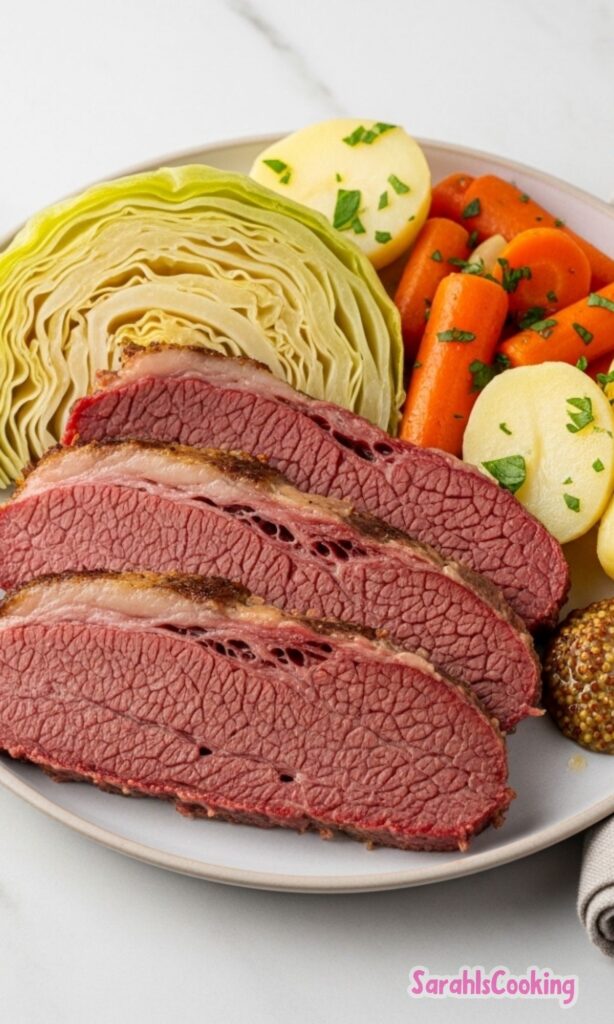

Corned Beef and Cabbage Recipe
Description
My homemade corned beef and cabbage is brined from scratch with a homemade pickling spice, slow cooked until fork tender, and served with cabbage, carrots, and potatoes for the ultimate St. Patrick's Day dinner.
Ingredients
For the Homemade Pickling Spice
For the Brine & Corned Beef
For the Vegetables
Instructions
Make the Homemade Pickling Spice
- Place all of the spices (peppercorns, allspice berries, mustard seeds, coriander seeds, red pepper flakes, ground ginger, cloves, bay leaves, and cinnamon stick) into a medium-size bowl and smash using a fork to help break them up to make a homemade pickling spice. You can also use a mortar and pestle. Set aside.
Make the Brine
- Add 1 gallon of water to a very large pot along with 4 tablespoons of pickling spice, sea salt, curing salt, and brown sugar. Bring to a boil over high heat, whisking to dissolve the salts and sugar completely.
- Remove the pot from heat and add the ice to help cool the brine quickly. If needed, flash cool in the freezer for 20-25 minutes. The brine must be at least room temperature before adding the brisket.
Brine the Brisket
- Once the brine is completely cooled, add the brisket flat to the pot, making sure it is fully submerged. Place glass plates or bowls on top to keep it under the liquid. Cover and refrigerate.
- Every 2 days, move the brisket around and flip it to ensure every side gets proper contact with the brine for even curing.
- After 7 days, remove the brisket from the brine and rinse it very well on all sides under cold running water to remove excess salt and spices.
Cook the Corned Beef
- Place the rinsed brisket into a large pot and cover with cold water by about 4 inches.
- Add 1 tablespoon of the remaining pickling spice and bring the mixture to a boil over high heat.
- Reduce heat to low and simmer for 3 ½ to 4 hours, or until the beef is very tender and easily pulls apart with a fork.
Add the Vegetables
- With about 30 minutes left in the cooking process, add the carrots and potatoes to the pot. Cover and cook for 15-20 minutes.
- Add the cabbage wedges on top, pressing down and rearranging as needed to fit. Cover again and cook for another 10-15 minutes until all vegetables are tender.
Slice and Serve
- Remove the brisket from the pot and place on a cutting board. Let rest for 10 minutes.
- Slice the corned beef against the grain into ½ to ¾ inch thick slices. Arrange on a large platter alongside the cooked cabbage, carrots, and potatoes.Slicing against the grain ensures tender, not chewy, pieces.
- Finish with a sprinkle of chopped parsley for color and serve with mustard on the side.
Nutrition Facts
Servings 12
Serving Size 1 serving
- Amount Per Serving
- Calories 501kcal
- % Daily Value *
- Total Fat 15g24%
- Saturated Fat 5g25%
- Cholesterol 117mg39%
- Sodium 13584mg566%
- Potassium 1443mg42%
- Total Carbohydrate 49g17%
- Dietary Fiber 7g29%
- Sugars 23g
- Protein 43g86%
- Calcium 127 mg
- Iron 6 mg
* Percent Daily Values are based on a 2,000 calorie diet. Your daily value may be higher or lower depending on your calorie needs.
Note
- Slice against the grain: This is the most important step when serving. Look at the direction the muscle fibers run and slice perpendicular to them. This makes each piece tender instead of chewy.
- Don't skip the rinse: After brining for seven days, the surface of the brisket is very salty. A thorough rinse under cold water is essential or the finished corned beef will be too salty to enjoy.
- Save the cooking liquid: Refrigerate some of the broth from the pot. It is perfect for reheating leftovers and keeps the meat moist.
- Slow cooker option: Place the brined brisket in a slow cooker with water and cook on low for about 8 hours. Add the vegetables after 5 hours.
- Oven method: Place the brisket in a deep hotel pan, cover with water, wrap tightly in foil, and bake at 300°F (150°C) for 4 ½ to 5 hours.
- Make-Ahead: This recipe can be made up to 1 day ahead of time. Simply reheat before serving.
- How to Store: Cover with or without cooking liquid and refrigerate for up to 5 days. Freeze without liquid for up to 2 months. Thaw in refrigerator 1 day before reheating.
- How to Reheat: Add desired amount of corned beef to a pot with reserved cooking liquid and heat over low heat until warmed through.