
A Classic Gin and Tonic is one of those rare recipes where simplicity leaves nowhere to hide. With only three ingredients, every choice matters, from the gin you pour to how gently you add the tonic. When done correctly, the result is crisp, balanced, and quietly sophisticated.
I approach this cocktail the same way I approach baking formulas. Small adjustments create noticeable differences, and consistency comes from understanding structure rather than memorizing steps. Once you learn the reasoning, you can reproduce it perfectly every time.
This version is designed to deliver a clean, refreshing drink with controlled dilution, lively carbonation, and bright citrus that enhances rather than overwhelms. It is intentional, not improvised.
Who This Recipe Is For
This recipe is for home bartenders who want reliability instead of guesswork. If you have ever had a watery, flat gin and tonic and wondered what went wrong, this method will answer that.
It works for beginners because there is no shaking, straining, or specialty equipment required. It also satisfies detail-oriented cooks who appreciate understanding ratios, temperature, and timing.
If you value repeatable results and clean flavors rather than trendy variations, this is exactly where to start.
Why This Recipe Works
The strength of a gin and tonic depends on balance, not complexity. Gin provides botanical structure, tonic contributes bitterness and carbonation, and lime supplies acidity to sharpen the finish.
The ratio used here keeps the alcohol present but not dominant. A slightly higher proportion of tonic creates lift and drinkability, allowing the aromatics to open instead of feeling heavy.
Temperature control is equally important. Cold ingredients retain carbonation longer and prevent rapid dilution, which preserves both texture and flavor clarity.
The method also avoids agitation. Stirring gently rather than mixing aggressively keeps bubbles intact, giving the drink its signature light, sparkling character.
Ingredients Needed for the Recipe
- Good-quality gin – Forms the backbone of the cocktail, supplying botanical depth and aromatic complexity that define the drink.
- Cold tonic water – Adds bitterness, sweetness, and carbonation, creating structure and length while carrying the gin’s aromatics.
- Fresh lime wedges – Provide acidity that brightens the drink and balances tonic’s quinine bitterness.
- Ice – Controls dilution and temperature, ensuring the cocktail stays crisp rather than becoming flat or watered down.
Ingredient Insights and Function
Gin is not just alcohol here. It is the primary flavor system, built from juniper and supporting botanicals like citrus peel, herbs, and spices. A cleaner, well-made gin produces a smoother, more integrated cocktail.
Lower-quality gin often tastes sharp or resinous, which becomes exaggerated because there are no other ingredients to mask it. Choosing a balanced gin with citrus or floral notes gives a softer, more drinkable result.
Tonic water is frequently underestimated, yet it determines texture more than any other component. Its carbonation level, sweetness, and quinine concentration directly affect how refreshing the drink feels.
Flat or overly sweet tonic collapses the structure. A lively tonic with fine bubbles creates a lighter mouthfeel and keeps the cocktail from tasting syrupy.
Fresh lime is essential because bottled juice lacks volatile oils from the peel. Those oils provide aroma as well as acidity, giving the drink its bright top note.
If you substitute lemon, the drink becomes sharper and slightly more acidic. It is workable, but the profile shifts away from the classic expression.
Ice should be solid and fresh, not cloudy or partially melted. Weak ice accelerates dilution and shortens the life of the carbonation.
How to make Classic Gin and Tonic?
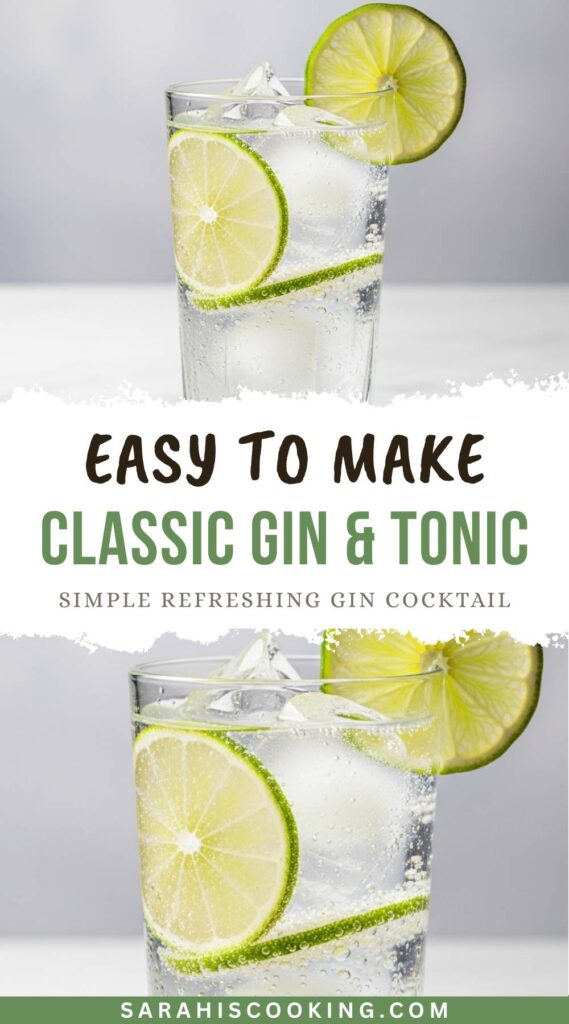
Step 1 – Chill the Glass
Start with a cold glass to slow melting and preserve carbonation. You can chill it briefly in the freezer or fill it with ice while preparing the ingredients.
This step may seem small, but temperature stability is one of the biggest differences between a sharp drink and a diluted one.
Step 2 – Build Over Fresh Ice
Fill the glass completely with fresh ice rather than adding just a few cubes. A full glass of ice melts more slowly because the cubes insulate each other.
Pour the measured gin directly over the ice to begin chilling it immediately without dilution from stirring.
Step 3 – Add the First Lime Expression
Squeeze one lime wedge over the gin, allowing the juice and oils to fall onto the cold surface. Drop the wedge into the glass to continue releasing aroma.
This early addition integrates the citrus into the base rather than leaving it floating on top.
Step 4 – Add Tonic Slowly
Pour the tonic water gently down the side of the glass to avoid knocking out carbonation. A slow pour preserves the bubbles that give the drink its lift.
Do not rush this step, as aggressive pouring leads to a flatter texture within minutes.
Step 5 – Final Lime and Gentle Integration
Squeeze a second lime wedge over the surface and drop it in. Give the drink one small, controlled stir to combine, using a lifting motion rather than swirling.
You are integrating, not mixing. Overstirring releases carbonation and dulls the finish.
Step 6 – Garnish and Serve Immediately
Add a final lime wedge to the rim for aroma and presentation. Serve right away while the drink is at peak temperature and effervescence.
This cocktail is designed to be consumed fresh, not held or pre-mixed.
How I Tested and Refined This Recipe
I tested multiple gin-to-tonic ratios to find where botanical flavor remained clear without becoming heavy. Early versions with equal parts tasted too strong and lost refreshment after a few minutes.
Increasing the tonic slightly created better length and allowed the citrus to act as a bridge instead of a dominant note. That adjustment alone made the drink feel more balanced.
I also experimented with stirring techniques. Fully stirred versions quickly lost carbonation, while completely unstirred ones tasted layered instead of cohesive.
The final method uses a single, brief stir, which integrates flavors while maintaining effervescence. It is a small action that dramatically improves texture.
Temperature testing showed that room-temperature tonic flattened almost instantly. Using fully chilled ingredients extended the drink’s liveliness by several minutes, which is significant for such a simple build.
Each refinement focused on preserving clarity and structure, ensuring the cocktail remains bright from first sip to last.
Common Mistakes and How to Avoid Them
- Using warm tonic water, which destroys carbonation and leads to a flat drink.
- Adding too little ice, causing rapid melting and watery flavor.
- Pouring tonic aggressively, which releases bubbles prematurely.
- Choosing low-quality gin that tastes harsh when not masked by mixers.
- Overstirring the cocktail, resulting in lost effervescence.
- Using bottled lime juice, which lacks aromatic oils and tastes dull.
- Letting the drink sit before serving, reducing freshness and structure.
Make-Ahead, Storage, and Freezing Guidance
This cocktail is not designed for full advance preparation because carbonation is time-sensitive. However, you can prepare components ahead by chilling the gin, tonic, and glasses.
Lime wedges can be cut a few hours in advance and stored refrigerated in an airtight container. Beyond that window, they begin to lose brightness and moisture.
Do not mix gin and tonic ahead of time, even if refrigerated. The drink will lose its sparkle and taste noticeably flatter.
Freezing is not recommended, as it alters dilution and damages the tonic’s structure. This is a build-and-serve cocktail meant to be assembled fresh.
Tips
- Use large, dense ice cubes to slow dilution and maintain clarity.
- Always measure the gin to keep the balance consistent.
- Open tonic water right before pouring for maximum carbonation.
- Roll the lime gently before cutting to release more juice.
- Serve in a tall glass to showcase aroma and preserve bubbles.
- Adjust lime slightly to taste, but avoid overpowering the botanicals.
- Keep ingredients refrigerated so the drink stays cold without extra stirring.
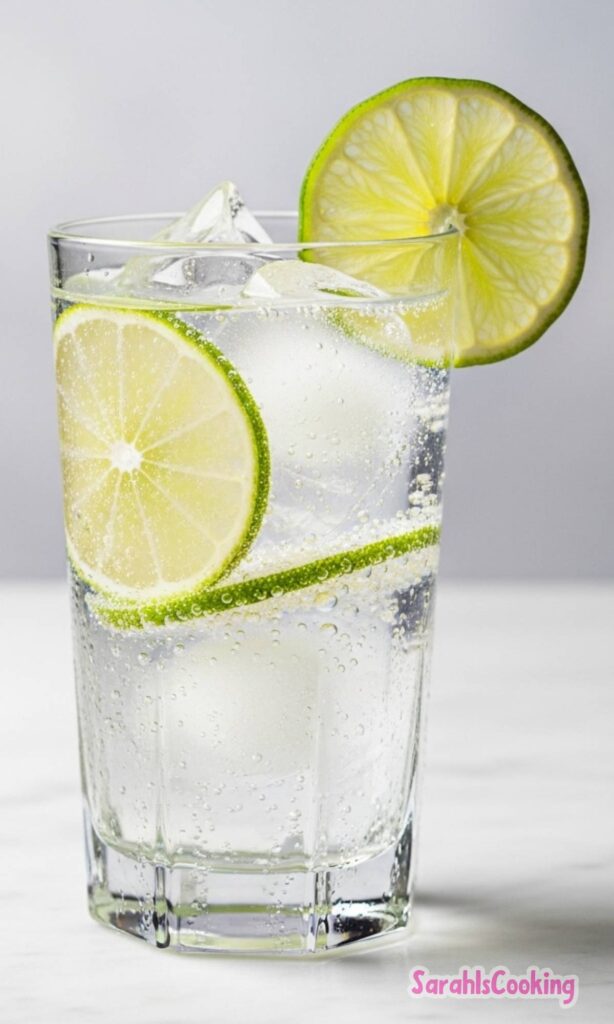

Classic Gin and Tonic Recipe
Description
This classic Gin and Tonic recipe is fabulously simple and super refreshing, made with just 3 ingredients – gin, bubbly tonic water, and fresh lime juice. A timeless cocktail that's crisp, light, and always in style.
ingredients
Instructions
- Add ice to a highball glass and pour the gin over the ice.
- Squeeze one lime wedge over the top and drop it into the glass.
- Slowly add the cold tonic water to preserve the bubbles.
- Squeeze the second lime wedge over the top and drop it into the glass. Give the drink a small stir to combine.
- Garnish the glass rim with the third lime wedge or wheel. Enjoy immediately!
Nutrition Facts
Servings 1
Serving Size 1 cocktail
- Amount Per Serving
- Calories 150kcal
- % Daily Value *
- Total Fat 0gg0%
- Saturated Fat 0gg0%
- Trans Fat 0gg
- Cholesterol 0mgmg0%
- Sodium 15mgmg1%
- Potassium 30mgmg1%
- Total Carbohydrate 14gg5%
- Dietary Fiber 0gg0%
- Sugars 13gg
- Protein 0gg0%
- Calcium 1% mg
- Iron 0% mg
* Percent Daily Values are based on a 2,000 calorie diet. Your daily value may be higher or lower depending on your calorie needs.
Note
- Choose quality gin: A good-quality gin with botanical notes elevates this simple cocktail.
- Use fresh lime: Always use fresh lime wedges for the brightest, most refreshing citrus flavor.
- Keep it cold: Use chilled tonic water and plenty of ice for the crispest drink.
- Customize ratios: Adjust the gin-to-tonic ratio to your preference – more tonic for a lighter drink, more gin for a stronger cocktail.