
There are cocktails you order because they are complex and challenging, and then there are those you return to because they are simply, undeniably right. The Tom Collins falls into that second camp. It is a drink that has quietly anchored the canon of mixed drinks for well over a century, and for good reason. Its structure is so clean, so balanced, that it reveals the quality of every single ingredient you pour into it.
I have always appreciated a recipe that refuses to hide. A Tom Collins does not rely on muddled berries, exotic syrups, or smoke and mirrors. It is gin, lemon, sugar, and soda water. Four components. That is it. When something is this exposed, there is nowhere for imperfection to hide. The gin must be one you genuinely enjoy sipping. The lemon must be freshly squeezed. The simple syrup must be properly made. Get those elements right, and the whole thing sings.
Over the years, I have mixed countless versions of this drink, tweaking ratios, testing different gins, and even experimenting with the temperature of the soda water. What I am sharing here is the version that has earned a permanent spot in my rotation. It is bright without being sharp, refreshing without being watery, and strong enough to taste the gin without feeling like you are drinking straight spirits. It is the kind of cocktail you can make for a crowd without a second thought, or quietly pour for yourself at the end of a long week.
Who This Recipe Is For
This recipe is for the home cook who wants a cocktail that feels both classic and completely approachable. You do not need a home bar stocked with fifteen different liqueurs or obscure amari. If you have a bottle of gin, a bag of lemons, some sugar, and a can of club soda, you are already most of the way there.
It is also for the person who values precision but does not worship it. The measurements matter, but this is not a fussy, delicate assembly. You stir, you taste, you adjust. It forgives small mistakes and rewards attention to detail in equal measure.
Skill-wise, if you can juice a lemon and measure liquids, you can make this drink. No shaking required. No complicated techniques. Just a glass, some ice, and a steady hand with the soda water.
Why This Recipe Works
The genius of the Tom Collins lies in its proportions. The classic structure is two parts gin, one part lemon, one part simple syrup. That ratio gives you a drink that is tart enough to wake up your palate but sweet enough to keep things pleasant. The gin provides the botanical backbone, the lemon cuts through with acidity, and the syrup rounds out the edges so the whole thing does not taste like a lemonade stand experiment gone wrong.
The soda water is the final piece. It does not just add volume. It lifts everything. The carbonation lightens the mouthfeel, stretches the flavors across your tongue, and keeps the drink from feeling heavy or syrupy. Even though there is sugar in the mix, the finished cocktail tastes crisp and clean, not cloying.
Another reason this version works so consistently is the order of operations. Adding the gin, lemon juice, and syrup to the glass first, then filling with ice and topping with soda, ensures everything mixes evenly without diluting the carbonation before it hits your lips. Stirring gently after the soda preserves the bubbles while fully incorporating the ingredients.
Ingredients Needed for the Recipe
- Gin (60 ml): The entire foundation of the drink. Choose a London dry style for the classic piney, juniper-forward profile. A more modern, citrus-forward gin will shift the character but can still work beautifully.
- Lemon juice, freshly squeezed (30 ml): Provides the necessary acidity and brightness. Bottled juice will taste flat and slightly metallic. Fresh is non-negotiable here.
- Simple syrup (15 ml): Balances the lemon and smooths out the gin. Equal parts sugar and water, dissolved. Store-bought works, but homemade is trivially easy and tastes cleaner.
- Club soda, to top: Adds effervescence and lengthens the drink. Use a freshly opened bottle for maximum fizz. Chilled soda keeps everything cold without melting too much ice.
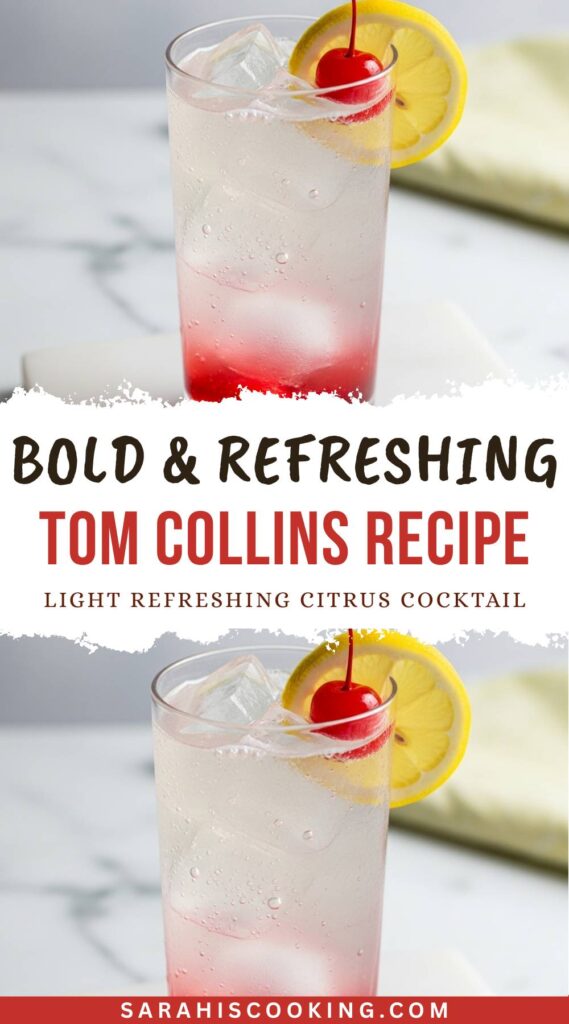
- Garnish: Lemon wheel: Reinforces the citrus aroma and adds visual clarity.
- Garnish: Maraschino cherry (optional): A traditional touch that adds a subtle sweetness and a pop of color. Not essential, but traditionalists will appreciate it.
Ingredient Insights and Function
Gin is the ingredient that will most dramatically change the final drink. A bold, juniper-heavy gin like Beefeater or Tanqueray gives you that classic, slightly piney Collins. A softer gin, something with more floral or citrus botanicals, will yield a more delicate cocktail. Both are valid. The key is to use something you genuinely like the taste of, because it will be unmistakably present.
Lemon juice demands attention. Roll the lemon on the counter before cutting to break down some of the internal membranes and release more juice. Strain out the pulp and seeds if you prefer a cleaner look, though a little pulp never hurt anyone. The juice should be added immediately after squeezing. Let it sit too long and it oxidizes, losing its bright, sharp character.
Simple syrup is the silent workhorse. If you make it yourself, use a one-to-one ratio by volume. Heat the water until it is hot enough to dissolve the sugar, stir until clear, and let it cool. Store it in the fridge and it will keep for weeks. If you use a bottled syrup, check the ingredients. Some contain preservatives that can leave a slight aftertaste.
Club soda should be plain and unsweetened. Avoid tonic water here, the quinine bitterness will fight the lemon. Seltzer works, club soda works, even a lightly salted soda water can be interesting. Just keep it cold and open it right before you pour.
The garnish is not just decoration. A lemon wheel expressed over the glass oils the rim with citrus aroma. Every sip starts with that scent. The cherry, if you use it, adds a tiny hit of sweetness at the very end of the drink.
How to make Tom Collins?
Step 1 – Combine the Base Ingredients
Start with a Collins glass. If you do not have one, a highball glass works perfectly. Pour in the gin, the freshly squeezed lemon juice, and the simple syrup. Do not add ice yet. You want these three to meet each other first, to blend without the immediate dilution that ice brings. Give them a quick stir with a long spoon just to combine.
Step 2 – Add Ice and Top with Soda
Fill the glass with ice. Large cubes are ideal if you have them, they melt slower and keep the drink from watering down too quickly. If you only have standard ice, that is fine. Just be aware the drink will dilute slightly faster.
Top the glass with club soda. Pour gently down the side of the glass to preserve as much carbonation as possible. You are looking for about three to four ounces, enough to fill the glass nearly to the top. Give everything a gentle stir, just a few rotations, to incorporate the soda without beating all the bubbles out.
Step 3 – Garnish and Serve
Take a lemon wheel and hold it over the glass. Give it a little twist to release the oils, then drop it in. If you are using a cherry, add it last. It will sink slightly or rest on the ice. Serve immediately. This drink waits for no one.
How I Tested and Refined This Recipe
When I first started making Tom Collins cocktails at home, I used whatever gin was cheapest and whatever lemons were sitting in the fridge. The results were fine, but they never felt special. The drink was either too tart or too sweet, and sometimes it tasted more like carbonated lemonade than a proper cocktail.
The first variable I adjusted was the syrup. I had been using a rich syrup, two parts sugar to one part water, because I kept it on hand for other drinks. It threw the balance completely off. The drink felt heavy and the gin got lost. Switching to a standard one-to-one syrup fixed that immediately. The sweetness became supporting, not starring.
Then I played with the lemon. Bottled juice was a disaster. Flat, sour in a harsh way, and it left a strange aftertaste. Fresh juice was night and day. But I also learned that not all lemons are equal. Some are juicier, some are more acidic. I started tasting the juice before adding it, adjusting the syrup slightly if the lemon was particularly sharp. That small habit made every batch more consistent.
I also tested the order of operations. Adding soda first and then stirring aggressively flattened the drink. Adding ice last diluted everything too fast. The method here, base ingredients first, then ice, then a gentle stir after the soda, gave the best texture and the longest-lasting fizz.
The garnish mattered more than I expected. A lemon wheel pressed against the rim of the glass perfumes every sip. Skipping it left the drink feeling a little one-dimensional. The cherry, while optional, adds a nostalgic finish that I have come to appreciate.
Common Mistakes and How to Avoid Them
- Using bottled lemon juice: It lacks brightness and adds a flat, metallic note. Always squeeze fresh lemons right before mixing.
- Over-stirring after adding soda: Aggressive stirring knocks out the carbonation. A gentle turn or two is enough.
- Skimping on ice: Not enough ice means the drink warms up and dilutes unevenly. Fill the glass completely.
- Using warm soda: Warm soda flattens instantly and melts ice too fast. Chill it first.
- Forgetting to taste the lemon: Some lemons are more acidic than others. Taste your juice and adjust the syrup by a few milliliters if needed.
- Adding the garnish as an afterthought: The lemon wheel adds aroma, not just looks. Express the oils over the glass before dropping it in.
Make-Ahead, Storage, and Freezing Guidance
The Tom Collins is not a make-ahead cocktail in the traditional sense. Once the soda hits the glass, the clock is ticking. The bubbles fade, the ice melts, and the drink loses its sparkle. For best results, mix and serve immediately.
You can, however, prepare a base mixture of gin, lemon juice, and simple syrup in advance. Combine them in a sealed container and refrigerate for up to a day. When you are ready to serve, pour the base over ice, top with soda, and stir. This works well for parties where you want to streamline the process.
Leftover base mixture should not be frozen. The lemon juice will separate and the texture will suffer. If you have extra, use it within twenty-four hours or discard it.
Once the drink is fully assembled, it does not store well at all. The carbonation dissipates within minutes, and the ice dilutes the mixture into a sad, flat shadow of what it was. Make only what you plan to drink immediately.
Tips
- Chill your glass beforehand. A cold glass keeps the drink colder longer.
- If you prefer a sweeter drink, increase the simple syrup by five milliliters, not more. Small adjustments go a long way.
- Use a vegetable peeler to cut a thin lemon twist instead of a wheel if you want a more elegant presentation.
- For a slightly herbal variation, add a small sprig of thyme or a few basil leaves to the glass before the ice.
- If your club soda seems flat before you open it, grab a fresh can. Flat soda ruins the whole effort.
- Taste the finished drink before serving. If it needs more acid, a tiny squeeze of lemon can wake it up. If it is too tart, a few drops of simple syrup will balance it.
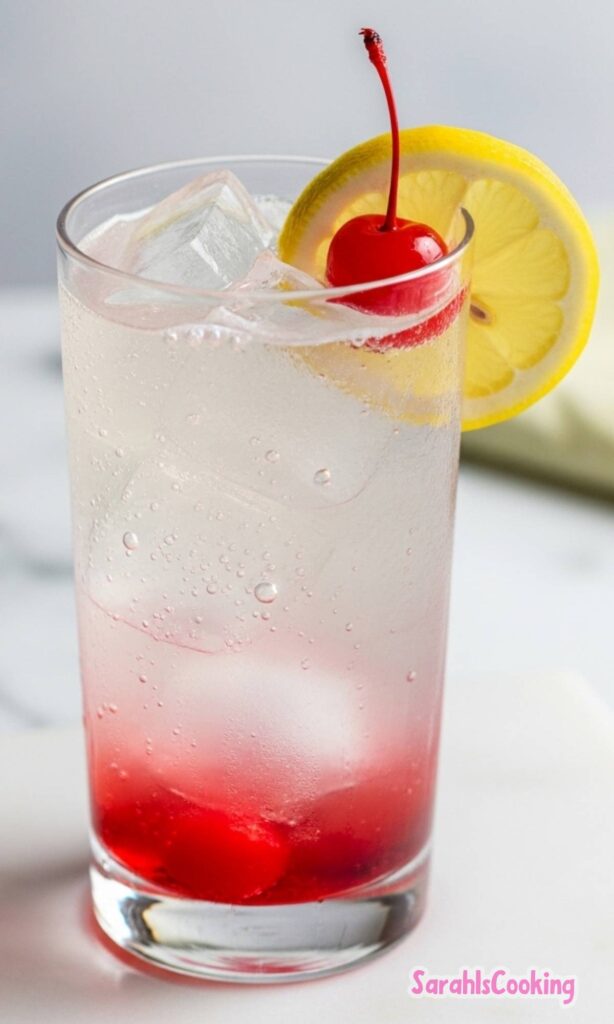

Tom Collins Recipe
Description
The Tom Collins is a classic and timeless cocktail renowned for its refreshing and citrusy character. Often garnished with a lemon wheel and a maraschino cherry, the Tom Collins delivers a delightful balance of tartness, sweetness, and the effervescence of soda water. It's a perfect choice for a warm day, offering a crisp and revitalizing taste, making it a beloved classic in cocktails.
Ingredients
Instructions
- Add the gin, lemon juice and simple syrup to a Collins glass.
- Fill with ice, top with club soda and stir gently to combine.Stir 3-4 times to preserve carbonation
- Garnish with a lemon wheel and maraschino cherry (optional) and serve immediately.
Nutrition Facts
Servings 1
Serving Size 1 cocktail (approximately 240ml)
- Amount Per Serving
- Calories 165kcal
- % Daily Value *
- Total Fat 0gg0%
- Saturated Fat 0gg0%
- Trans Fat 0gg
- Cholesterol 0mgmg0%
- Sodium 8mgmg1%
- Potassium 42mgmg2%
- Total Carbohydrate 13gg5%
- Dietary Fiber 0gg0%
- Sugars 12gg
- Protein 0gg0%
- Calcium 1% mg
- Iron 0% mg
* Percent Daily Values are based on a 2,000 calorie diet. Your daily value may be higher or lower depending on your calorie needs.
Note
- Want it less sweet? Reduce simple syrup to 10ml or use a sugar-free alternative.
- Make it stronger: Increase gin to 75ml for a more robust cocktail.
- No Collins glass? A highball glass works perfectly as a substitute.
- Pre-chill ingredients: For the crispest drink, chill your gin and soda water beforehand.